Popcorn ceiling removal is usually worth doing in older Toronto homes, but the first question is not how to scrape it. The first question is whether the ceiling texture contains asbestos. In homes built before 1990, that possibility is real enough that testing should come before sanding, scraping, drilling, or demolition. At Soca Services Painting, we treat that step as non-negotiable because a smooth ceiling is never worth creating a health risk.
For GTA homeowners, the job is rarely just one step. A proper project can include asbestos sampling, room isolation, texture removal or encapsulation, drywall repairs, skim coating, priming, and repainting. In older Toronto houses with plaster walls, uneven framing, previous patchwork, or multiple paint layers, the refinishing stage often takes as much care as the removal itself.
If you are planning other upgrades at the same time, it also helps to think about ceilings as part of the full interior finish. Fresh ceilings often make wall colours, trim work, and lighting changes look cleaner and more current. If you are comparing project budgets, you can also review our advice on how much painters charge in Toronto and interior painting costs in Toronto before you book the work.
Why Popcorn Ceilings Are Still in So Many Toronto Homes
Many Toronto homes still have popcorn ceilings because the finish was fast to apply, hid surface flaws well, and was widely used for decades. In older houses across East York, Scarborough, Etobicoke, North York, and parts of Old Toronto, it was an easy way to mask cracked plaster, taped joints, and uneven ceilings without the labour of a full skim coat.
That is why removal can uncover surprises. Once the texture is gone, contractors may find patched cracks, water stains, loose tape, poor previous repairs, or ceilings that were never especially flat to begin with. This matters for pricing because the visible texture is only part of the job. The ceiling underneath determines how much finishing work is needed to get a clean modern result.
Asbestos Testing: The First Step for Pre-1990 Homes
If your Toronto home or condo ceiling was installed before 1990, assume it could contain asbestos until testing shows otherwise. Health Canada says asbestos was commonly used in homes before 1990, including in some ceiling materials, and Ontario’s asbestos regulation requires owners to determine whether material likely to be disturbed is asbestos-containing material or to treat it as if it is.
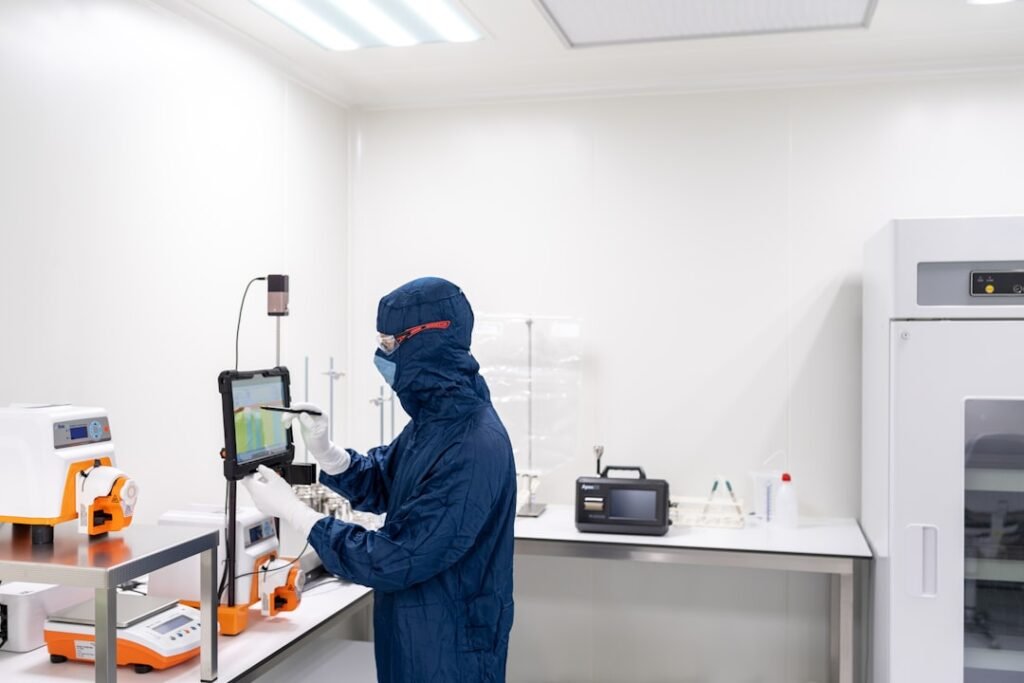
In practical terms, that means no dry scraping, sanding, or aggressive patching before sampling. A qualified tester takes small bulk samples from representative areas and sends them to a lab for analysis. If the result comes back clear, removal can proceed as a standard ceiling project. If asbestos is present at or above the regulated threshold, the work has to follow Ontario asbestos procedures based on the type of operation and the amount and condition of the material.
Ontario Regulation 278/05 defines asbestos-containing material as material with 0.5 percent or more asbestos by dry weight and classifies asbestos work as Type 1, Type 2, or Type 3 depending on the hazard. Higher-risk work requires stricter containment, worker protection, decontamination procedures, and, in some cases, notice to the Ministry of Labour, Immigration, Training and Skills Development before work begins.
For homeowners, the takeaway is simple. Testing is cheap compared with the cost of contamination, cleanup, or exposing your family and trades to airborne fibres. “If asbestos is suspected, testing should be completed by a qualified professional before any ceiling removal work begins.”
The Popcorn Ceiling Removal Process
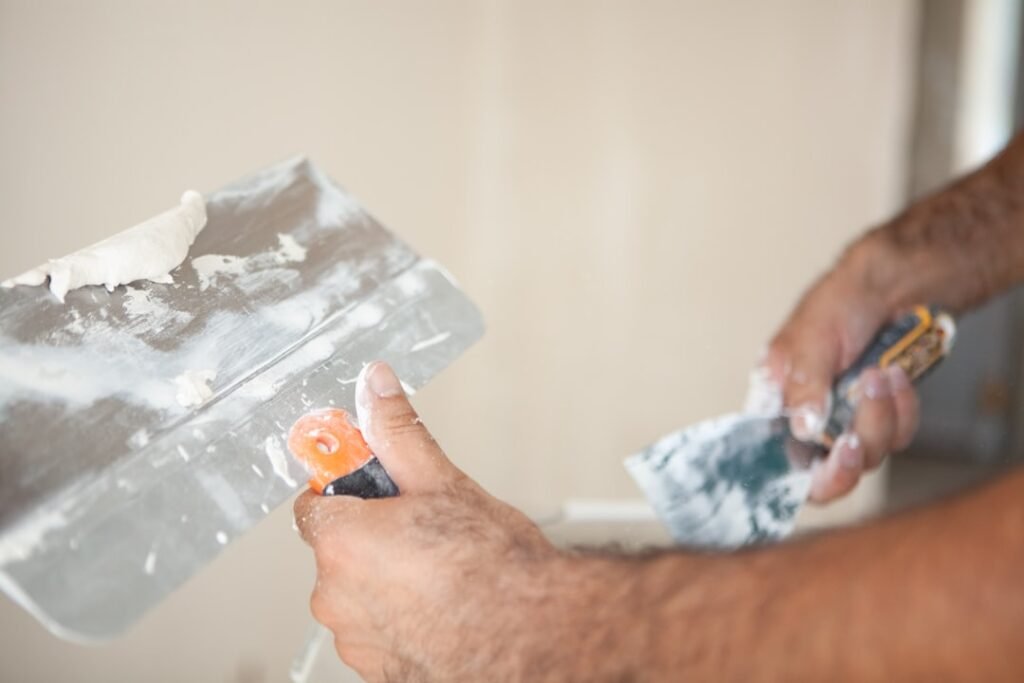
A professional popcorn ceiling job follows a predictable sequence: test first, protect the space, remove or cover the texture, repair the ceiling, then prime and paint. The reason pros work in that order is to control dust, protect finishes, and avoid doing the same repair twice.
1. Testing and site review
The first visit is usually a site review to check ceiling type, age of the home, room access, light fixtures, cracks, water damage, and whether the texture appears painted. Painted popcorn is harder to wet and scrape, so the method may change.
2. Room prep and containment
Furniture is removed or consolidated, floors are covered, HVAC registers are sealed, and the work area is isolated with poly. In occupied Toronto homes, crews often zipper off hallways and protect stairs because ceiling debris travels farther than most homeowners expect. In condos, elevator booking, loading rules, and work-hour restrictions can add setup time.
3. Removal or encapsulation
If testing is clear and the texture is suitable for removal, the ceiling is typically misted and scraped in controlled sections. If the texture is painted, badly bonded, or asbestos-containing, the better option may be encapsulation with joint compound, new drywall, or another approved covering approach rather than scraping it off.
4. Repairs and refinishing
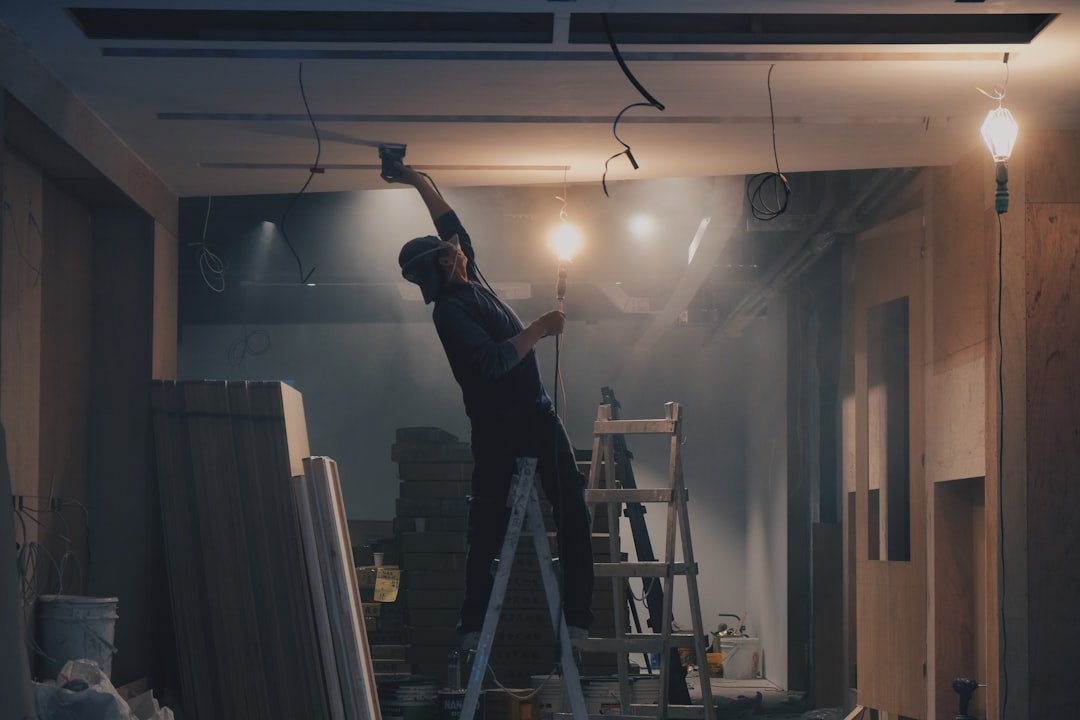
After removal, crews patch gouges, retape weak seams if needed, skim coat the surface, sand, spot-check under work lights, prime, and paint. This is the stage that separates a rough ceiling from one that actually looks flat in daylight and with pot lights on.
Scraping vs. Covering: Which Method Makes Sense?
Scraping makes sense when the ceiling tests clear, the texture has not been heavily painted, and the drywall underneath is in decent shape. Covering or encapsulation makes more sense when asbestos is present, the texture is stubborn, or the existing ceiling is so damaged that full refinishing after scraping would erase any savings.
| Method | Best for | Main advantages | Main trade-offs |
|---|---|---|---|
| Wet scraping and skim coat | Non-asbestos ceilings in fair to good condition | Removes texture completely, keeps ceiling height, gives a clean modern finish | Messy process, can expose hidden damage, labour rises if the ceiling was painted |
| Encapsulation with skim coat | Light texture where removal is unnecessary or risky | Less disturbance than scraping, useful when texture is firmly bonded | Adds material build-up, may not work well on heavy texture without prep |
| Overlay with new drywall | Ceilings with asbestos, heavy damage, or lots of repairs | Creates a new surface, can reduce surface prep, often cleaner than full scrape-off | Higher material cost, slight loss of ceiling height, fixture details may need adjustment |
In many older Toronto homes, the right answer is not purely about price per square foot. It is about the condition of the substrate, whether asbestos is present, and how smooth you want the finished ceiling to look under natural and artificial light.
What Popcorn Ceiling Removal Costs in the GTA (2026)

For non-asbestos ceilings in the GTA, homeowners typically see professional pricing in the broad range of about $3 to $10 per square foot in 2026, depending on ceiling height, access, condition, whether skim coating and painting are included, and whether the texture has been painted. Third-party pricing references vary widely, which is normal because some quotes cover removal only while others include full refinishing.
A realistic working range for budgeting is roughly $3 to $5 per square foot for simpler non-asbestos removal with basic refinishing, and about $6 to $10 per square foot when the scope includes more repairs, stronger containment, condo logistics, or a higher finish standard. Asbestos abatement is a different category of work and is commonly priced well above standard removal because of testing, containment, disposal, worker protection, and regulatory compliance.
Toronto permit costs are usually not the main number here because many popcorn ceiling projects are treated as finish work, but if the scope expands into broader interior alterations, permit requirements can change. The City of Toronto states that building permits are required for most construction, demolition, additions, or major renovations, and has a separate interior alterations process for permit-driven renovation work. For straightforward cosmetic ceiling finishing, homeowners should still confirm with Toronto Building if the project includes anything beyond surface repair.
Common cost drivers include ceiling height, occupied versus vacant home, downtown condo access, amount of furniture moving, number of light fixtures, level of crack repair, and whether the old ceiling needs oil or stain-blocking primer before the final coats. Products also matter. A flat ceiling finish from brands like Benjamin Moore, Sherwin-Williams, or Behr is standard, but premium primers and better coverage usually pay off on repaired ceilings.
How Long Does the Project Take (and How Messy Is It)?
Most standard non-asbestos rooms take one to three days from prep to paint, while whole-home projects often take several days to more than a week. The removal itself is not always the slow part. Drying time, skim coats, sanding, repairs, and paint curing usually decide the schedule.
For a single bedroom or office, one day may cover protection, scraping, first repairs, and cleanup, with return visits for skim coat sanding and paint. For a main floor or full condo, expect staging, multiple passes of finishing compound, and at least one separate paint day. Older Toronto homes with plaster movement, patched cracks, or water damage usually land on the longer end.
As for mess, yes, popcorn ceiling removal is messy unless the job is contained properly. Even well-run projects involve debris, wet material, sanding dust, and frequent bagging. Professional crews reduce the disruption by sealing off rooms, protecting floors, controlling dust at the source, and cleaning in stages instead of leaving everything to the end.
Toronto homeowners should also keep local logistics in mind. The City’s dust rules require residential construction activity to limit dust impacts on neighbouring properties, and condo boards often add their own rules for booking elevators, protecting common areas, insurance, and weekday work windows. Those building rules do not change the ceiling process, but they do affect scheduling and labour time.
Should You DIY or Hire a Pro?
DIY popcorn ceiling removal only makes sense when the ceiling has tested clear, the area is small, and you are comfortable with prep, patching, skim coating, and overhead finishing. Even then, many homeowners find the actual scraping easier than the refinishing, which is the part everyone notices when the room is finished.
The bigger reason to hire a pro is risk control. If there is any chance of asbestos, Ontario rules around classification, containment, protective equipment, and disposal are not something to guess at. Professional abatement contractors understand when a job falls into Type 1, Type 2, or Type 3 work, when Ministry notice may be required, how to contain the space, and how to avoid contaminating the rest of the home.
Even on non-asbestos jobs, pros usually deliver a better result because ceilings are unforgiving. Scraper gouges, flashing patches, lap marks, sanding lines, and uneven skim coats all show up once the paint dries and the lights go on. That is especially true in Toronto semis and older detached homes where framing and plaster movement make perfectly flat work harder than it looks. If you are also planning broader refresh work, you may find our article on how to prepare your home for interior painting useful before scheduling trades.
Homeowners usually ask the same practical questions: do I need asbestos testing, can I stay in the house, how much dust should I expect, and is scraping better than covering. The short answer is that pre-1990 ceilings should be tested, many families can stay home during a contained non-asbestos job, dust control matters as much as removal method, and the best method depends on the ceiling condition and test results.
Get a Free Popcorn Ceiling Removal Quote
If you want a straight answer on whether your ceiling should be scraped, skim coated, or covered, we can help. At Soca Services Painting, we have spent more than 10 years serving Toronto and the GTA, and we give homeowners practical guidance based on the age of the home, the ceiling condition, and the level of finish you want.
Request a free in-home estimate for your Toronto, North York, Scarborough, Etobicoke, East York, or nearby GTA project. We can review the ceiling, explain the likely process, and help you plan the work with as little disruption as possible. Contact Soca Services Painting today to schedule a consultation.
Frequently Asked Questions
Do popcorn ceilings in older Toronto homes need asbestos testing?
If the ceiling texture was installed before 1990, asbestos testing is strongly recommended before scraping, sanding, drilling, or demolition. Testing should happen first so the removal method can be planned safely and legally.
How much does popcorn ceiling removal cost in Toronto?
For non-asbestos ceilings, many GTA projects fall somewhere around $3 to $10 per square foot depending on ceiling condition, access, refinishing needs, and whether painting is included. Asbestos abatement is usually significantly more expensive because of containment and regulatory requirements.
Is it better to scrape a popcorn ceiling or cover it?
Scraping is often best when the ceiling tests clear and the drywall underneath is in decent condition. Covering or encapsulation can be the better choice when asbestos is present, the texture has been painted heavily, or the existing ceiling needs extensive repair.
How long does popcorn ceiling removal take?
A small non-asbestos room may take one to three days including prep, repairs, skim coating, and paint. Larger homes or ceilings needing more repair can take several days to more than a week.
Can I stay in my home during popcorn ceiling removal?
In many non-asbestos projects, homeowners can stay in the home if the work area is properly isolated. For asbestos-related work, the approach depends on the scope, containment plan, and contractor guidance.