Table of Contents
- What Commercial Painting Contractors Do
- Commercial Painting Cost Per Square Foot
- How to Hire a Commercial Painter
- Commercial Painting Project Checklist
Last Updated: June 20, 2026
Choosing the right commercial painting contractors is one of the most consequential decisions a facility manager or property owner makes. The wrong contractor doesn’t just leave you with bad walls, it derails operations, violates safety standards, and costs far more to fix than it would have to get right the first time. Commercial painting is not residential painting at scale. The planning, safety compliance, surface preparation, and project management requirements are categorically different.
What Commercial Painting Contractors Do
Commercial painting contractors are licensed and insured professionals who apply protective coatings, high-quality finishes, and specialty treatments to commercial buildings, industrial facilities, and institutional properties. They operate within strict project timelines, coordinate around active business operations, and work with materials rated for commercial durability.
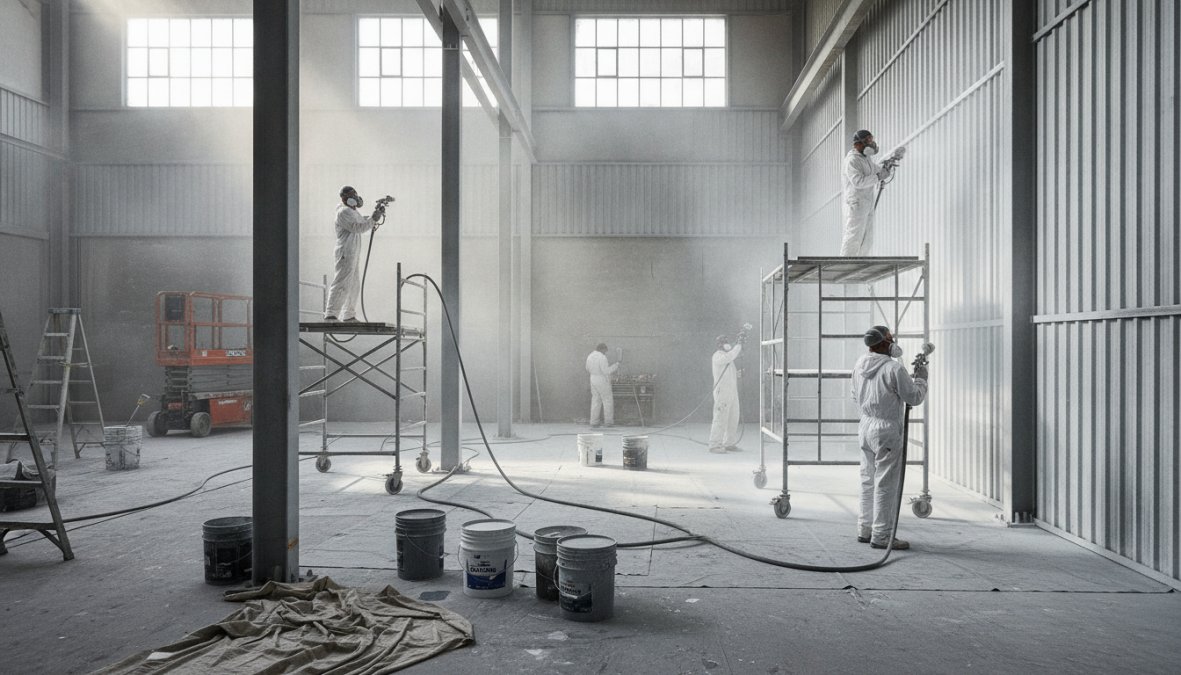
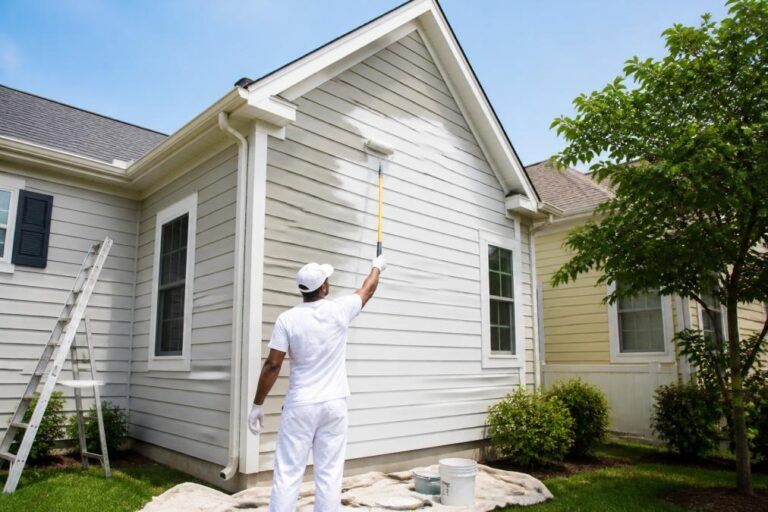
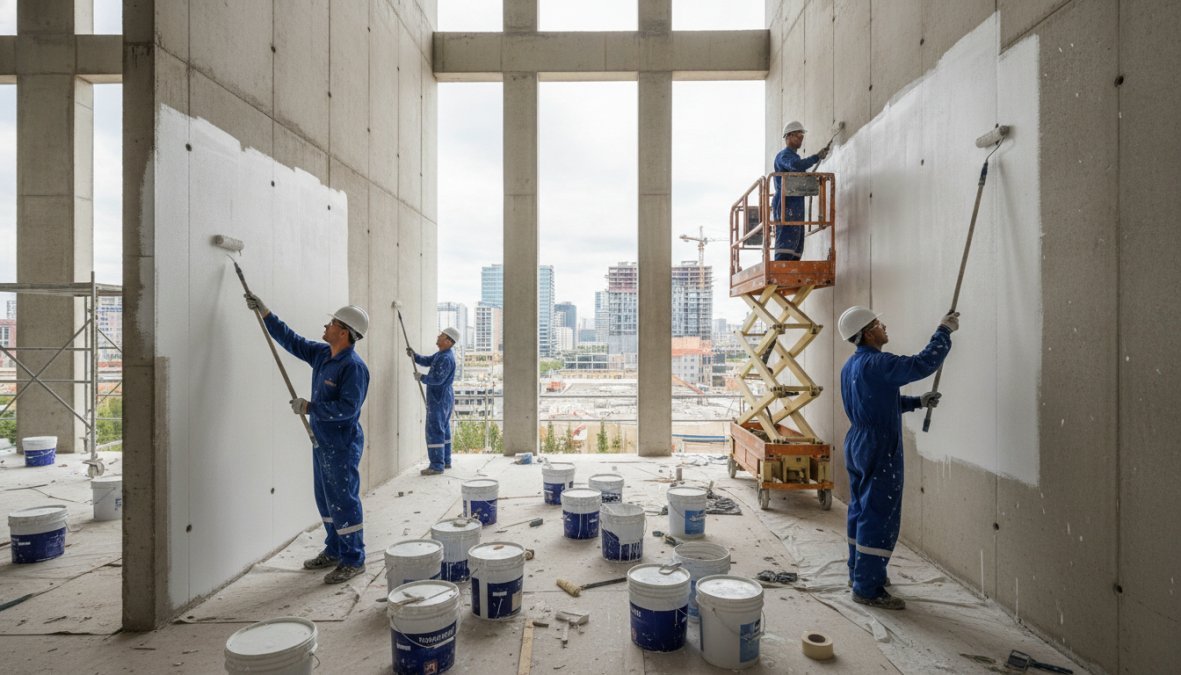
A full-service commercial painting contractor typically handles interior painting (offices, retail, warehouses, healthcare facilities), exterior painting (facades, parking structures, metal cladding), surface preparation (power washing, sanding, patching, priming, caulking), industrial solutions (epoxy flooring, metal deck painting), new construction painting, and facility maintenance programs.
Surface preparation is where most of the value is created and where most cut-rate contractors cut corners. According to the Painting and Decorating Contractors of America’s industry standards, improper surface prep is the leading cause of premature coating failure on commercial properties.
Never hire a commercial painting contractor who skips a formal site assessment. Without one, there’s no accurate project timeline, no realistic scope, and no accountability when problems surface mid-project.
The best commercial painting contractors provide detailed written proposals before any work begins, outlining scope, materials (Sherwin-Williams or Benjamin Moore commercial lines), timeline milestones, and crew size.
Commercial Painting Cost Per Square Foot
Commercial painting cost per square foot varies based on surface type, coating system, building access requirements, and project complexity. A straightforward interior repaint costs far less per square foot than industrial epoxy flooring or an exterior facade requiring lift equipment.
| Project Type | Surface Complexity | Typical Factors That Affect Cost |
|---|---|---|
| Office interior repaint | Low | Wall condition, number of coats, ceiling height |
| Retail interior with feature walls | Medium | Color changes, detail work, after-hours scheduling |
| Warehouse / industrial interior | Medium-High | Epoxy coatings, metal deck painting, ventilation requirements |
| Commercial exterior | High | Lift rental, weather windows, surface repairs, primer coat |
| New construction painting | Variable | Coordination with GC, phased access, spec compliance |
Factors that consistently drive costs higher include poor surface condition, after-hours or weekend scheduling, specialty coatings (epoxy, antimicrobial, fire-retardant), and access equipment requirements.
Request a line-item proposal, not a lump-sum quote. When you can see the breakdown between labor, materials, prep work, and equipment, you can compare bids accurately and spot where a low-ball contractor is cutting scope.
How to Hire a Commercial Painter
Step 1: Define your scope before you call anyone.
Know your square footage, surface types, desired finish quality, and scheduling constraints. Clear briefs produce accurate proposals.
Step 2: Verify licensing, insurance, and safety compliance.
A legitimate commercial painting contractor in Ontario carries general liability insurance and WSIB coverage. Ask for certificates directly. According to Ontario’s Occupational Health and Safety Act guidelines for construction trades, property owners share responsibility for ensuring contractors meet provincial safety requirements.
Step 3: Evaluate the proposal, not just the price.
A strong proposal includes a site assessment summary, specified paint products (commercial-grade lines), a project timeline with milestones, crew size, and clear scope. Anything missing is a red flag.
Step 4: Check references from comparable projects.
A contractor who excels at residential painting is not automatically qualified for commercial work. Ask specifically for commercial or industrial project references of similar scale.
Step 5: Confirm project management accountability.
Who is your point of contact throughout the project? Who handles daily site supervision? Commercial projects fail most often at the communication layer.
The single most important thing to verify when hiring a commercial painter is not their price, it’s their project management process. A clear site supervisor, daily check-ins, and a written timeline protect you far more than a low bid.
Commercial Painting Project Checklist
Pre-Project (Before Work Begins)
- Written proposal received with materials and timeline
- Proof of liability insurance and WSIB coverage confirmed
- Site assessment completed by contractor
- Paint products specified (e.g., Sherwin-Williams ProMar or Benjamin Moore Aura commercial line)
- Surface preparation scope defined in writing
- After-hours or phased access schedule confirmed
- Designated site supervisor identified
- Power washing or surface cleaning scheduled before painting
- Occupant communication plan in place
During the Project
- Surface preparation completed and inspected before primer
- Primer coat applied and cured per manufacturer specifications
- First coat applied and reviewed for coverage consistency
- Touch-up and detail work completed around trim and fixtures
- Daily site walkthrough with supervisor documented
- Ventilation and safety standards maintained
Post-Project
- Final walkthrough completed with contractor present
- Touch-up list documented and addressed before sign-off
- Warranty documentation received in writing
- Paint product records kept for future maintenance
- Facility maintenance schedule updated with next repaint window
For new construction projects, coordinate painting phases with your general contractor to align with drywall completion and HVAC installation. Low-VOC and zero-VOC coatings are now standard for occupied commercial spaces, not a premium option.
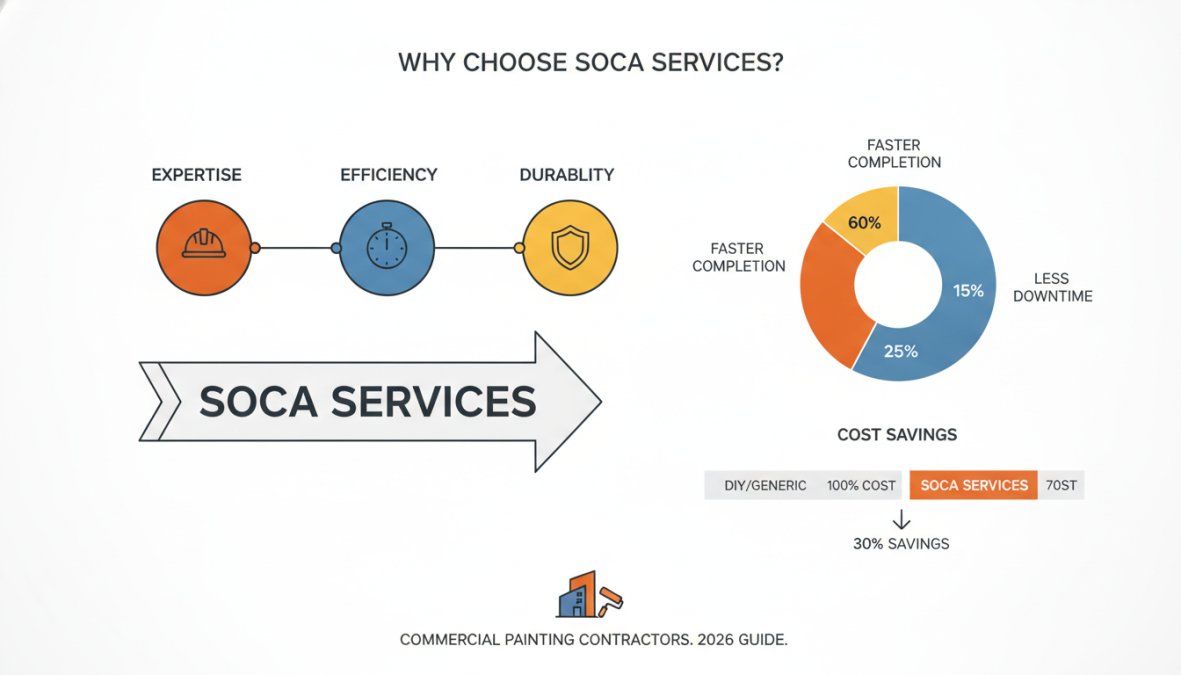
Hiring the right commercial painting contractors for your Toronto or GTA property doesn’t have to be a gamble. Soca Services Painting brings over a decade of experience in commercial and residential projects, a proven process that keeps timelines on track, and detailed proposals so you always know exactly what you’re getting. Get Your Free Estimate Today.
Frequently Asked Questions
What should I ask a commercial painting contractor before hiring?
Ask about their experience with similar projects, licensing and insurance coverage, project timeline and schedule, surface preparation methods, warranty on their work, and references from previous commercial clients. Request a detailed written estimate that breaks down labor, materials, and timeline. Verify they understand your facility's specific needs, whether interior painting, exterior coating, or specialized industrial solutions.
How much do commercial painting contractors typically charge per square foot?
Commercial painting cost per square foot varies based on project scope, surface condition, paint quality, and complexity. Factors like power washing, surface preparation, and protective coatings affect pricing. Request multiple painting estimates from licensed contractors to compare. Soca Services provides free estimates for commercial projects across Toronto, allowing you to make informed decisions based on detailed project assessments.
What is included in a commercial painting project checklist?
A comprehensive commercial painting project checklist includes site assessment, surface preparation and power washing, protective measures for adjacent areas, material selection, safety compliance review, project timeline confirmation, weather considerations, and post-project cleanup. Professional contractors like Soca Services follow detailed checklists ensuring nothing is missed, from initial planning through final inspection and touch-ups.
How long does a typical commercial painting project take?
Project timeline depends on building size, surface condition, complexity, and weather. Small commercial spaces may take 1-2 weeks, while larger facilities require 4-8 weeks or more. Surface preparation and power washing add time but ensure durable, high-quality finishes. Professional commercial painting contractors provide realistic timelines during the estimate phase, minimizing disruption to your business operations.
This article was written using GrandRanker