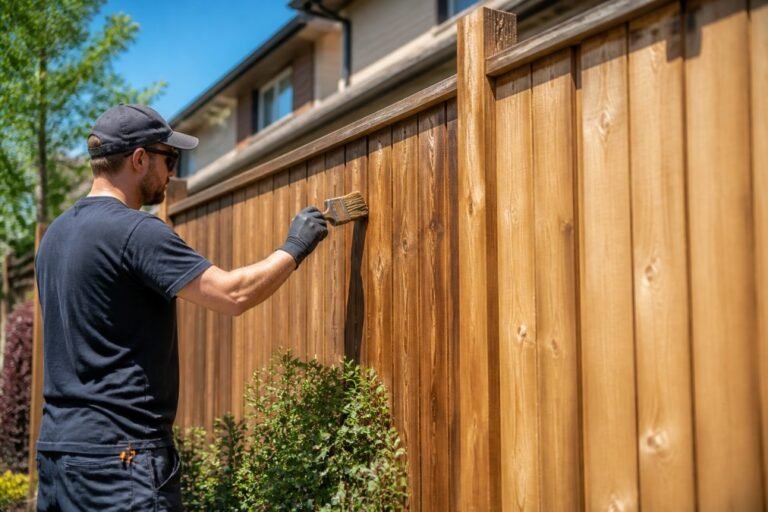
Exterior painting in the GTA usually works best from late spring to early fall, but the real window is narrower than many homeowners expect. At Soca Services Painting, we tell clients to think less about the calendar and more about steady conditions: dry surfaces, low humidity, mild temperatures, and enough daylight to complete each coat properly.
That matters in Toronto because a week that looks fine on paper can still be a bad painting week. Morning dew, surprise rain, lake humidity, and sharp overnight temperature drops can all slow drying or affect adhesion. Older Toronto homes also need more prep than newer builds, which means the job has to be scheduled around both the weather and the condition of the exterior itself.
When Can You Paint Exteriors in the GTA?
The short answer is that most GTA exterior painting gets done from roughly May through October, with June to September usually offering the most reliable conditions. Good exterior work depends on surface temperature, humidity, dew point, and rain risk, not just the daytime high.
Many premium exterior paints can technically be applied in cooler weather, with some products rated down to about 4.4°C or even 1.7°C to 2°C, depending on the manufacturer and product line. But a technical minimum is not the same as an ideal working window. For a clean, durable finish, most homeowners are better off booking when daytime temperatures are stable and overnight lows are not flirting with the product minimum.
In practical GTA terms, late May and June are strong months for wood, trim, doors, and siding. July and August can also work well, although crews have to manage direct sun and heat on south-facing walls. September is often excellent because surfaces are warm, but days are less extreme. October can still work for touch-ups or smaller projects if the forecast is stable and the right coatings are used.
Weather delays are normal on exterior jobs. A reliable contractor should say that upfront. If a crew promises an exact finish date on a multi-day exterior project without any weather caveat, that is usually a red flag rather than a selling point.
If you are seeing chalking, peeling, exposed wood, or failed caulking, our team at Soca Services Painting can help. We plan projects around realistic GTA weather windows so the finish has a better chance of lasting.
Surface Prep: The Make-or-Break Step
Most exterior paint failures are prep failures first. A solid paint system starts with washing, drying, scraping, sanding, repairs, spot-priming, and caulking. The topcoat matters, but it cannot compensate for dirt, loose paint, trapped moisture, or rotten substrate underneath.
Wood exteriors and trim
Wood needs the most hands-on prep because it expands, contracts, and holds moisture. On wood siding, soffits, fascia, window trim, and porch details, the standard sequence is wash, dry thoroughly, scrape all loose material, feather-sand edges, repair damaged areas, prime bare wood, and recaulk open joints. Any soft or rotten sections should be replaced, not painted over.
Older Toronto homes often have layered paint buildup, ornate trim, and repairs from different eras. That adds labour. Homes built before modern repaint cycles may also have lead-containing old coatings, which changes how sanding, scraping, cleanup, and containment should be handled. On those properties, prep should be slower and more controlled, not more aggressive.
Vinyl and aluminum siding
Vinyl and aluminum usually fail because of poor cleaning or the wrong product choice, not because the material cannot be painted. These surfaces need a thorough wash to remove chalk, oxidation, dirt, and mildew. After that, the contractor should confirm adhesion, choose a compatible bonding primer if needed, and use an exterior coating approved for the substrate.
Colour choice matters on vinyl. Going much darker than the existing colour can create excess heat buildup and stress the panels. On many GTA homes, the safer move is staying within an approved colour range rather than chasing a dramatic dark finish that may warp or shorten the life of the siding.
Brick, masonry, and parging
Brick needs a different mindset. You do not want to trap moisture in masonry. Any brick or parged surface should be cleaned, allowed to dry fully, checked for efflorescence, and repaired where mortar joints or parging are failing. New masonry usually needs a curing period before it is coated.
On older Toronto brick homes, we pay close attention to moisture movement. If there are signs of water ingress, deteriorating mortar, or repeated flaking, those issues should be dealt with before painting. Paint can improve appearance, but it should not be used to hide a moisture problem.
Choosing Exterior Paint That Survives Canadian Weather
For GTA exteriors, high-quality acrylic latex is usually the safest and longest-lasting choice. It handles expansion and contraction better than older oil-heavy systems, resists UV exposure, and performs better through Ontario’s freeze-thaw cycles when the surface has been prepared properly.
Homeowners often ask whether premium paint is worth the extra cost. On exterior work, it usually is. The labour to prep and apply the coating is the expensive part. Upgrading from an entry-level product to a better exterior line from Benjamin Moore, Sherwin-Williams, or Behr is usually a small part of the total project cost, but it can make a real difference in colour retention, flexibility, and washability.
For wood and trim, we generally look for strong adhesion, good blocking resistance on doors, and excellent flexibility. For masonry, breathability and proper priming matter. For vinyl and factory-finished metal, compatibility matters more than brand loyalty. The right paint is the one that matches the substrate, the prep plan, and the season.
Sheen also affects longevity and appearance. Flat or low-lustre finishes hide surface defects better on older siding and masonry. Satin or soft gloss is often the better choice for trim, doors, and areas that take more washing. On older homes with uneven surfaces, higher sheen can highlight every patch, seam, and scrape line, so there is a trade-off between durability and appearance.
As a rough expectation, a professionally prepared exterior can often look solid for about 5 to 10 years in GTA conditions, but the real life span depends on exposure, substrate, colour depth, sun, moisture, and how much prep was done before painting. South- and west-facing elevations, porch floors, horizontal trim, and garage doors usually show wear first.
How Long Does an Exterior Painting Project Take?
Most residential exterior projects in the GTA take anywhere from 3 days to 2 weeks. Smaller jobs such as front doors, shutters, garage doors, or trim packages can be completed in a day or two, while full detached homes typically need several days for prep, painting, drying, and weather buffering.
Prep is often half the job or more. A newer suburban home with clean vinyl, limited scraping, and simple access moves much faster than a century home in Toronto with peeling wood trim, high gables, detailed fascia, old repairs, and tight side-yard access. That is why two homes with similar square footage can have very different timelines.
Here is a realistic range many homeowners can use for planning. A small exterior refresh may take 2 to 4 days. A typical two-storey detached home often lands in the 4 to 7 day range if weather cooperates. Larger homes, complex trim packages, masonry repairs, extensive scraping, or multi-surface projects can stretch to 7 to 14 days.
Weather delays are built into honest scheduling. Rain can pause washing, prep, priming, or topcoats. Heavy humidity or cool evenings can extend drying and recoat times. A professional crew should explain what triggers a delay, how they protect unfinished areas, and how they sequence work so the project keeps moving when conditions allow.
What Exterior Painting Costs in Toronto and the GTA
For most GTA homeowners, exterior painting is usually priced by project rather than by a simple hourly number. A realistic starting point is often based on square footage and then adjusted for height, access, prep, repairs, trim detail, and how many surfaces are included.
In broad terms, many Toronto-area exterior projects fall around the mid-to-upper single digits per painted square foot once prep, materials, ladders, masking, and labour are included. Smaller spot jobs may price higher on a per-square-foot basis because setup and mobilization do not shrink much, while large simple walls may price more efficiently.
| Project type | Typical GTA price range (CAD) | What usually drives the price |
|---|---|---|
| Front door and frame | $250 to $700 | Prep level, colour change, sanding, drying time, hardware removal |
| Garage door | $300 to $900 | Material, panel detail, oxidation, primer needs |
| Trim, soffits, fascia on a small to mid-size home | $2,000 to $6,000 | Height, ladder setup, peeling paint, wood repairs, linear footage |
| Townhouse or small exterior section | $3,000 to $7,000 | Access, number of storeys, amount of prep, included surfaces |
| Full detached home exterior | $5,000 to $15,000+ | Square footage, substrate, prep, trim complexity, repairs, scaffolding, number of coats |
| Per square foot guide for exterior walls | About $2.50 to $5.00+ per sq. ft. | Surface condition, height, materials, masking, local labour rates |
Those numbers are planning ranges, not firm quotes. Older Toronto homes tend to sit at the higher end because they often need more scraping, caulking, carpentry repairs, careful containment, and longer setup times. Newer homes with cleaner siding and straightforward access usually price more efficiently.
Ask every painter what is included. A lower quote may exclude washing, wood repair, primer, caulking, or a second finish coat. The best quote is not the cheapest one. It is the one that clearly explains scope, prep, products, number of coats, excluded repairs, and how weather delays are handled.
Hiring an Exterior Painter: What to Look For
The right exterior painter should be easy to verify. Look for a written quote, clear prep language, proof of liability insurance, WSIB or equivalent workplace coverage where applicable, product details, and a realistic schedule that accounts for GTA weather instead of pretending weather is irrelevant.
Ask how they handle surface prep on your specific exterior. Wood, vinyl, brick, stucco, parging, aluminum, and older painted trim all need different prep plans. If a contractor gives the same answer for every surface, that usually means the proposal is too generic.
For older Toronto homes, ask direct questions about rot repair, moisture checks, heavy scraping, and old-coating safety practices. For newer subdivisions, ask about siding compatibility, factory-finished surfaces, and warranty exclusions tied to colour choice or substrate condition. A good contractor should be comfortable discussing both.
You should also ask who is doing the work each day, whether spraying will be used, how nearby cars and landscaping are protected, and what happens if rain hits mid-project. Spraying is faster on some exteriors, but brushing and rolling can provide better control on trim-heavy homes and tighter urban lots.
At Soca Services Painting, we believe homeowners should know exactly what they are paying for before the first ladder goes up. That means a clear scope, honest discussion about prep, and no unrealistic promises about the weather.
Frequently Asked Questions
Homeowners in Toronto and the GTA usually ask the same core questions: when to schedule, how long the paint will last, what happens if it rains, and whether their home needs repairs before painting. The right answer depends on the surface, but the safest approach is always the same: prep thoroughly, use the right coating, and schedule around stable conditions instead of forcing the job into a bad forecast.
Get a Free Exterior Painting Estimate
If you want a realistic plan for your home, the next step is a site-specific estimate. At Soca Services Painting, we have served Toronto and the GTA for more than 10 years, and we build quotes around the actual surfaces, prep needs, access, and seasonal timing of your property.
Contact Soca Services Painting today to schedule a consultation. We provide free in-home estimates across Toronto and the GTA, and we will walk you through timing, product options, prep requirements, and a practical scope that fits your home and budget.
Frequently Asked Questions
What is the best month to paint a house exterior in Toronto?
For most GTA homes, June through September is the most reliable period because temperatures are steadier and there is less risk of cold nights affecting cure times. Late May and October can also work if the forecast is dry and the coating is rated for those conditions.
How long does exterior paint last in Ontario?
A professionally prepared exterior can often last about 5 to 10 years, but the real lifespan depends on sun exposure, moisture, substrate type, colour depth, and how much prep was completed before painting.
Can exterior painting be done after rain?
Not immediately. Surfaces need time to dry fully, and crews also need to watch humidity, dew point, and the chance of more rain before applying primer or topcoats.
Do older Toronto homes need different prep before exterior painting?
Yes. Older homes often have more peeling paint, layered coatings, carpentry wear, and possible lead-containing old paint. That usually means more scraping, repair work, containment, and a slower prep process than on newer builds.
How much does exterior painting cost in Toronto and the GTA?
Smaller projects may start in the hundreds, while full-house exterior painting often ranges from roughly $5,000 to $15,000 or more depending on size, condition, access, substrate, and how much prep or repair work is needed.