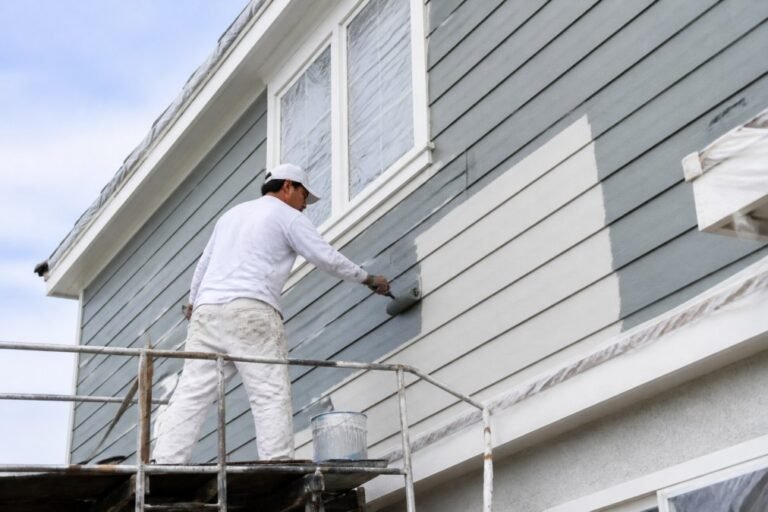
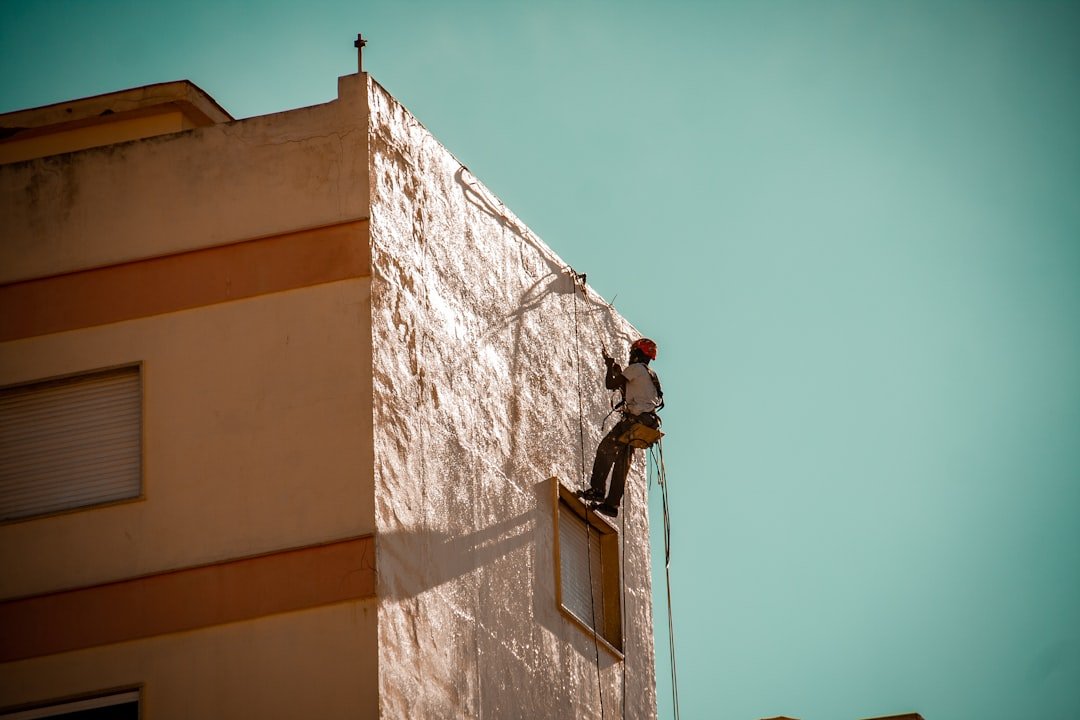
Exterior painting in the GTA is a bigger project than most homeowners expect — not because it’s technically complicated, but because Ontario’s climate compresses the workable window, punishes shortcuts, and demands the right products. Get the timing and prep right, and a quality exterior paint job protects your home for 10 to 15 years. Get it wrong, and you’re looking at peeling paint before the second winter.
This guide covers everything GTA homeowners need to make smart decisions: when to paint, how to prepare every major surface type, which products actually hold up through freeze-thaw cycles, and what you should realistically expect to pay in 2025 and 2026.
When Can You Paint Exteriors in the GTA?

The short answer: late April through early June, and again from mid-August through late September. That’s roughly 16 to 18 weeks of viable exterior painting weather in a typical GTA year — and not every day within that window is suitable.
The chemistry behind this is straightforward. Aim for temperatures between 10°C and 29°C (50°F to 85°F) for optimal paint application and drying. Low humidity, ideally below 70%, is important for proper paint adhesion and a faster drying time. In practice, that rules out most of January through March (too cold), and makes July and August tricky because in Toronto, summers are typically hot and humid, so for the best results, avoid exterior painting between June and August.
Spring: April to June
Spring in Ontario, specifically from April through June, is often seen as a prime time for exterior painting. Temperatures sit in the sweet spot, and the longer daylight hours give crews more working time. The catch is spring rain — spring can be a bit rainy, so you’ll need to keep a close eye on the weather forecast and be ready to pause if a shower rolls in. Unexpected rain can really mess up a fresh paint job. Pollen is also worth watching. With all the new growth, there’s a lot of pollen in the air, which can stick to wet paint, so thorough surface cleaning is extra important.
Fall: September to Early October
September and October are great months for exterior painting in Toronto, with average highs around 18°C and humidity around 50–60%. The humidity drops after the summer mugginess clears, which makes for excellent adhesion conditions. The risk is the compressed window — late September and October are prime time for early frosts in many parts of Ontario. The days might still feel warm, but the nights can get chilly quickly.
This is where a lot of DIY jobs go sideways. Fall can be a tricky time to paint outside. A common mistake is to paint when daytime temperatures rise above 50°F and nighttime temperatures drop below 35°F. Even though the temperature may be acceptable at the time of application, the paint can stop coalescing when the temperature drops. Additionally, dew will form on almost everything as soon as the sun sets, and seep into the uncured paint.
Nighttime lows are just as important: if it drops below freezing within 24–48 hours, your fresh coat may not cure properly. Always check both the daytime and overnight forecast before committing to a painting day.
Surface Temperature Is Not the Same as Air Temperature
A detail that trips up even careful homeowners: when planning an exterior painting project, it’s crucial to account for more than just air temperature. The surface temperature and other environmental factors can significantly affect the outcome of your painting job. A shaded or north-facing surface might be considerably cooler than the air temperature, delaying drying and adhesion. A sunny wall might be hotter than the air. If you can’t touch the surface comfortably with your hand, it’s too hot to paint.
Wind matters too. The wind in Toronto can wreak havoc on a fresh coat of paint. Strong winds can bring dust and debris that may stick to wet paint, resulting in a rough finish. Anything above 15 kilometres per hour can blow dust and debris onto the wet paint and even require touch-ups.
Surface Prep: The Make-or-Break Step
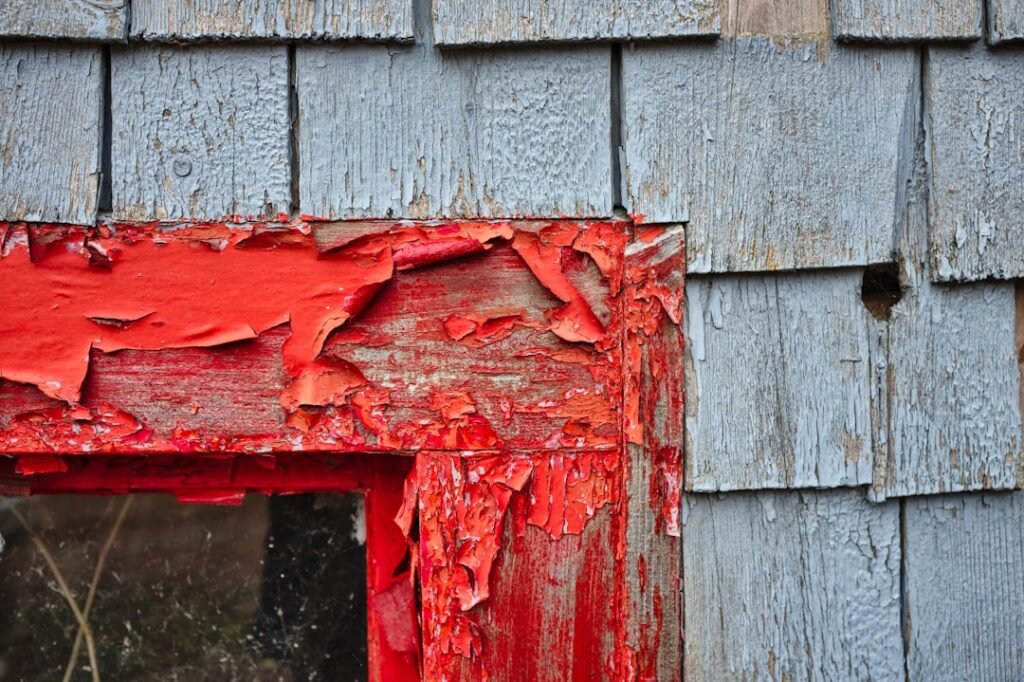
Every experienced painter will say the same thing: paint is only as good as the surface underneath it. Surface preparation is where most exterior paint jobs either succeed or fail. In Toronto, prep work is especially critical. Summer humidity combined with winter ice puts enormous stress on painted surfaces. Paint applied over dirty, cracked, or unprepared areas fails much faster.
The prep process varies significantly depending on your home’s primary exterior material. Here’s what each one actually requires:
Wood Siding and Trim (Older Toronto Homes)
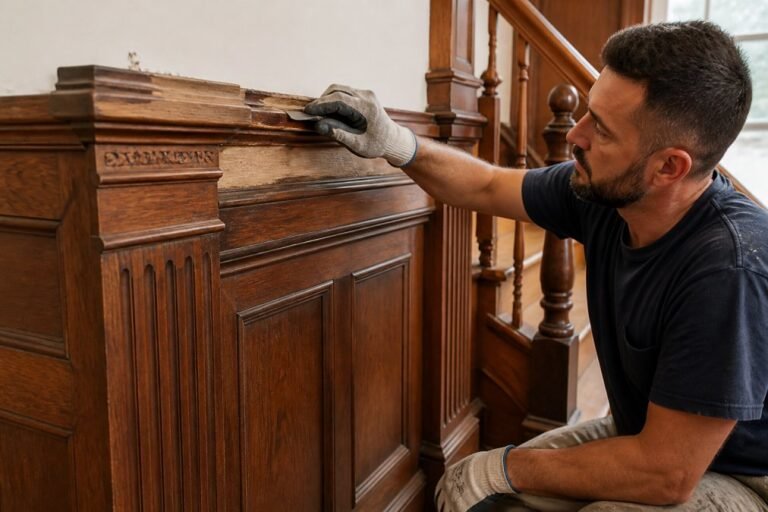
Older Toronto homes — say, a semi-detached in the Annex or a detached century home in East York — typically have wood clapboard siding, wood window trim, and wood fascia boards. Wood requires the most intensive prep of any exterior material, and the older the home, the more extensive that prep tends to be.
Water can penetrate the wood and cause it to rot, which makes it harder for paint to adhere to the surface. Inspect for rot or damage and replace affected boards before painting. Beyond rot, you’re looking for:
Solid prep includes: pressure washing to remove dirt, mildew, chalk, and old paint residue; scraping and sanding any areas where paint is peeling or bubbling; caulking gaps around windows, doors, trim, and penetrations; wood repairs on rotted soffits, fascia boards, and siding sections; and priming new wood, repaired areas, and previously bare surfaces.
One area where older Toronto homes differ materially from newer builds: the number of paint layers already on the wood. A 1920s home that’s been painted every 8–10 years may have six or more coats of paint built up over a century. That creates problems — thick built-up edges around trim, surfaces that don’t accept new paint evenly, and sometimes lead paint concerns on homes built before 1978. A good painter will identify this during the estimate walkthrough. Any home with suspected lead-based paint on its exterior requires additional containment measures before prep begins.
Another prep note specific to wood knots and sap pockets: these must be sealed with a shellac-based primer before the finish coat goes on, or they’ll bleed through and leave brown stains that no amount of topcoat will cover.
Vinyl Siding (Common on GTA Suburb Builds)
Vinyl doesn’t rot or absorb moisture the way wood does, which makes it a lower-maintenance surface — but it still needs thorough prep. Vinyl siding can collect dirt and debris you have to remove so that your paint doesn’t start to peel prematurely. Clean thoroughly with a pressure washer or cleaning solution, check for loose or damaged panels and repair as needed, and use a primer specifically designed for vinyl siding.
Vinyl also presents a unique challenge: dark colours absorb heat, and vinyl expands when it gets hot. Paint applied to vinyl must be flexible enough to move with the material. Most quality acrylic latex exterior paints handle this well, but you should avoid applying colours significantly darker than the original vinyl — the heat absorption can cause warping. Your painter should flag this if you’re considering a dramatic colour shift on vinyl siding.
Brick (The Surface That Requires the Most Caution)
Many GTA homes — especially in older Toronto neighbourhoods like Leaside, Scarborough, and North York — have brick exteriors. Painting brick is a long-term commitment, and it’s the one surface where prep failures have the most severe consequences.
Concrete block and brick are much more porous than vinyl, wood, or aluminum siding, meaning that even in the warmer summer months, brick may need 48 hours to dry. When painting siding, a crew may be able to apply paint the day after washing — with brick, it’s generally better to wait a little longer to ensure the brick is fully dry.
The most important thing to understand about painting brick in the GTA is the freeze-thaw risk. In freeze-thaw conditions, paint on masonry can start to peel within 5 years if prep was inadequate, if the wrong primer was used, or if the brick has any moisture issues. The solution is to use vapour-permeable masonry paint — specifically formulated to allow moisture passage while blocking water infiltration.
Acrylic latex masonry paint is the most reliable and commonly used option for painting brick. A high-quality acrylic paint is permeable, allowing moisture to escape. It also offers excellent adhesion and flexibility, enabling it to expand and contract with temperature fluctuations without cracking.
One note for homeowners in Toronto’s heritage districts: if your home is in a Heritage Conservation District — parts of Cabbagetown, Rosedale, and some areas of the Beaches have these designations — painting the exterior brick may require approval from the City of Toronto’s Heritage Preservation Services. Check with the City before starting the project.
Choosing Exterior Paint That Survives Canadian Weather
For Canadian climates, 100% acrylic latex is the default choice for almost every exterior surface. Acrylic latex paints are highly recommended for Canadian winters — they offer superior flexibility, allowing them to expand and contract with temperature changes without cracking or peeling.
An acrylic/latex paint like Benjamin Moore Aura® Exterior Paint or Regal® Select High Build is generally the best choice for exterior painting projects. Latex paints resist the sun’s rays and are highly compatible with most substrates, so they are not as prone to fading like oil-based paints.
For the GTA’s specific combination of humid summers and hard freeze-thaw winters, here are the products that consistently perform well:
Benjamin Moore
Benjamin Moore Aura Exterior is engineered with Color Lock technology, which helps resist UV fading and cracking. It performs well in both dry heat and wet climates. For humid conditions like Toronto summers, Benjamin Moore Element Guard was designed precisely for that kind of weather — it handles moisture well, and can be applied just one hour before rainfall or heavy dew.
Sherwin-Williams
Sherwin-Williams Duration and Emerald Exterior shine in UV resistance and perform exceptionally well in cold, wet, and humid environments. Emerald in particular uses advanced acrylic technology that resists blistering, mildew, and fading. Sherwin-Williams tends to edge ahead in regions with extreme freeze-thaw cycles, thanks to its flexible film properties — a relevant advantage for the GTA. For homeowners who need to stretch a late-season window, products like Duration, Resilience, SuperPaint, and A-100 Exterior allow application down to 35°F (approximately 2°C).
For Brick: Specialized Masonry Products
Standard exterior latex is not appropriate for brick. Elastomeric paint is a thick, heavy-duty coating that is highly flexible and waterproof. It’s an effective solution for brick with numerous hairline cracks, as it can bridge these gaps to create a seamless barrier. However, it is less breathable than acrylic paint, so the brick must be perfectly dry and properly prepared before application.
Regardless of brand, a home’s exterior should be repainted every 5 to 12 years, depending on factors such as the quality of the previous paint job, the type of paint used, local weather conditions, and the material of the surface being painted. In the GTA, the lower end of that range typically applies to wood on older homes with southern or western exposure; the upper end is achievable on vinyl and well-prepared masonry with premium-grade paint.
How Long Does an Exterior Painting Project Take?
For most GTA homes, budget 3 to 7 working days from the start of prep to final walkthrough. That’s the honest range for a professional crew — and it can stretch if weather interrupts the schedule or if prep reveals repairs that need to be made.
In most cases, a professional exterior painting project takes between three and seven days. Smaller homes with good surface condition may take less time, while large homes, complex trim, or repairs can extend the project timeline to a week or more. Weather conditions, prep work, and the overall painting process matter more than just house size.
Here’s how timeline maps to home size, assuming a professional crew of two to three painters in reasonable weather:
| Home Size | Estimated Timeline | Key Variables |
|---|---|---|
| Small bungalow or semi (800–1,200 sq ft) | 2–4 days | Condition of wood trim, number of windows |
| Average detached (1,200–2,000 sq ft) | 3–5 days | Brick vs. wood vs. vinyl, number of storeys |
| Large two-storey (2,000–3,000 sq ft) | 5–7 days | Scaffolding needs, trim complexity |
| Victorian or heritage home | 7–10+ days | Extensive wood trim, lead paint prep, intricate detailing |
Two factors that consistently add days to GTA exterior projects: older homes with complex woodwork and weather interruptions. Victorian-era Toronto homes — common in neighbourhoods like Rosedale, the Annex, Trinity-Bellwoods, and South Riverdale — can have wraparound porches, ornate window surrounds, decorative fascia boards, and dozens of linear feet of trim that all need careful brush work. A longer project timeline often reflects proper preparation, correct primer use, and respect for drying times — and leads to better protection against moisture and a longer-lasting exterior.
On the weather side, a responsible painter builds buffer days into the schedule. Rain within 24 hours of application, or temperatures forecast to dip below 2°C overnight, means stopping and waiting. If your contractor promises a one-day turnaround on a full repaint, proceed with caution. Rushed paint projects often lead to poor adhesion, patchy coverage, and failure within months.
One practical note for homeowners: most exterior painting work does not require homeowners to stay home all day. Painters may need access to water or power, but disruption is minimal compared to interior painting. You typically need to be available for the start-of-project walkthrough and the final inspection — everything in between runs without you needing to be on-site.
What Exterior Painting Costs in Toronto and the GTA
Exterior painting in the GTA is priced differently from interior work because the complexity of prep, the range of surface materials, and access challenges all vary more widely. You can expect to pay roughly $3.50–$6 CAD per square foot for professional exterior painting in Toronto. An average Toronto home (about 1,500–2,000 sq ft) costs around $3,000–$7,000 CAD (plus HST) for a full repaint.
The wide range exists for good reason: surface type, home age, and prep requirements move the number significantly. Exterior painting is a whole different ballgame, demanding specialized paints and often more preparation. It generally falls between $4,000–$9,000 CAD plus HST, but the size and complexity of your home are the biggest factors.
Here’s a breakdown of typical GTA exterior painting costs by scenario:
| Scenario | Estimated Cost (CAD + HST) | Notes |
|---|---|---|
| Small bungalow, vinyl siding, good condition | $2,000–$4,000 | Minimal prep, fewer surfaces |
| Average detached, wood siding, moderate prep | $4,000–$7,000 | Includes scraping, caulking, priming |
| Older Toronto home, extensive wood trim | $6,000–$10,000+ | Lead paint testing, heavy prep, detailed brush work |
| Brick exterior (full paint) | $3,500–$8,000+ | Masonry primer, specialty products; $3–$6/sq ft |
| Large two-storey, all surfaces | $8,000–$12,000+ | Scaffolding, multi-surface complexity |
These figures reflect work by insured, reputable professional painters. Labour is by far the biggest part of the bill, usually making up 70–80% of the total cost. The remaining percentage covers materials like paint, primer, and supplies. And if you’re in Ontario, don’t forget to factor in the 13% HST on top of your final quote.
Surface material makes a measurable difference in per-square-foot cost. Aluminum or vinyl siding runs roughly $2–$4 CAD per sq ft in Toronto. Vinyl is relatively inexpensive to repaint because modern paints adhere well to it and it often needs less primer. Wood siding is in a similar range ($2–$4 per sq ft) if the wood is in good shape. However, old peeling wood can require extensive scraping, priming, and caulking, which raises labour time and cost — so wood can skew higher if a lot of prep is needed. Brick or masonry is more labour-intensive, with costs often around $3–$6 CAD per sq ft. Brick and other porous surfaces may need specialty primers and extra coats to get good coverage.
One important thing to understand when comparing quotes: a vague quote is a red flag. Your written estimate should clearly break down every phase of the project. Comparing quotes that do not match in scope is a common and costly mistake. Two quotes for the same house can look very different depending on whether prep work, primer, number of coats, and materials are all itemized — or buried in a single lump sum.
Hiring an Exterior Painter: What to Look For
Choosing an exterior painter in the GTA isn’t just about price. The GTA’s climate is demanding enough that the difference between a 5-year job and a 12-year job often comes down to who did the prep and what products they used.
Local Experience With Toronto’s Housing Stock
Years in business matter for exterior painting in Toronto. Local experience means the painter understands how the GTA’s climate affects different surface types — from Victorian-era wood siding to aluminum and vinyl on newer builds. Look for painters who have completed work on homes similar to yours in age, style, and material. A painter who exclusively works on new Brampton builds may not have the same familiarity with a century-old Toronto home as someone who’s been working the older neighbourhoods for a decade or more.
Proof of Insurance and WSIB Coverage
Exterior painting involves working at height, often without scaffolding on two-storey homes. Any professional painter working in Ontario should carry liability insurance and WSIB (Workplace Safety and Insurance Board) coverage. Ask for current certificates — not a verbal assurance — before work begins. If a painter falls on your property and doesn’t have proper coverage, the liability exposure can land on the homeowner.
Employees vs. Subcontractors
Painters who use their own employees rather than subcontractors generally deliver more consistent results. They are also easier to hold accountable if something goes wrong. When a company subcontracts the work out, quality control becomes harder to maintain — and if there’s a problem, you may end up dealing with two parties instead of one.
A Detailed Written Scope and Warranty
Before any work starts, you should have a written contract that specifies: the surfaces being painted, the prep steps included (pressure washing, scraping, caulking, priming), the paint products and number of coats, the projected timeline, and the warranty terms. Two coats is the professional standard for exterior durability — a single-coat job on a GTA home exterior is almost always cutting a corner that will show up within a few years.
Reviews That Mention Prep, Not Just Results
When reading Google or HomeStars reviews, look for specifics about surface preparation, communication during weather delays, and how the crew handled problems. A glowing review about colour selection tells you less than a review that says the crew spent a full day scraping and caulking before touching a brush. Check online reviews on Google and HomeStars, and pay attention to how the company responds to any negative feedback. A professional contractor that responds to criticism constructively is usually one that stands behind their work.
At Soca Services Painting, we’ve been serving Toronto and the GTA for over 10 years. Our exterior crews are employees, not subcontractors, and every project starts with a thorough in-person assessment of surfaces, prep requirements, and product selection — before we quote a number. Compare your options with a free estimate from Soca Services Painting — we’ll walk through your home’s exterior and give you a clear scope of work in writing.
Get a Free Exterior Painting Estimate
Exterior painting is a significant investment — one that protects your home’s structure, boosts curb appeal, and can directly affect resale value. Getting it right means working with a crew that understands Ontario’s weather window, knows how to prep the specific materials on your home, and uses products built for Canadian freeze-thaw cycles.
At Soca Services Painting, we serve homeowners across Toronto and the wider GTA — from older brick semis in the east end to vinyl-sided homes in Mississauga, Vaughan, and Markham. We offer free, no-obligation in-home estimates with a full written scope of work so you know exactly what’s included before any work begins.
Request your free exterior painting estimate today — and let’s make sure your home is ready before the season’s window closes.
Frequently Asked Questions
What is the best time of year to paint a house exterior in Toronto?
Late spring (mid-April through June) and early fall (mid-August through September) are the best windows for exterior painting in the GTA. You need consistent temperatures between 10°C and 29°C, humidity below 70%, and no frost forecast within 24–48 hours of application. July and August are often too humid for reliable results, and October narrows quickly as overnight temperatures drop.
How long does exterior paint last on a Toronto home?
A quality exterior paint job on a GTA home typically lasts 7 to 12 years, depending on the surface material, paint quality, and prep work. Wood on older homes with southern exposure may need repainting closer to the 7-year mark, while well-prepared vinyl or masonry with premium acrylic latex can reach 12 years or more. Skipping prep is the single biggest reason paint fails early.
How much does it cost to paint the exterior of a house in Toronto?
Most Toronto homeowners pay between $4,000 and $9,000 CAD plus HST for a full exterior repaint, depending on home size, surface material, and the extent of prep work required. Small bungalows can come in at $2,000–$4,000, while larger two-storey homes or heritage properties with complex woodwork can exceed $10,000. All prices should include prep, primer, and two coats of finish paint in the scope.
Do older Toronto homes need different prep than newer builds?
Yes, significantly. Older Toronto homes — particularly those built before the 1970s — typically have wood siding, layered paint buildup, wood window trim, and sometimes lead-based paint on the exterior. These surfaces require more scraping, sanding, and spot-priming than vinyl or fiber cement on newer builds. Lead paint, if present, requires additional containment procedures before prep begins. Heritage homes with decorative trim also take considerably longer to paint properly.
Can you paint brick on a GTA home, and how long does it last?
Yes, brick can be painted, but it requires specialized masonry primers and vapour-permeable acrylic latex or elastomeric paint. Standard exterior latex should not be used on brick — it traps moisture behind the film, which leads to peeling during freeze-thaw cycles. When done correctly with the right products and thorough prep, painted brick in the GTA can last 15 to 20 years. Note that painting brick is essentially permanent — removal without damaging the brick is very difficult.