Painting a brick house can work well on the right Toronto home, but it is not a cosmetic decision you undo easily. On sound masonry with good prep and the right breathable coating, painted brick can look clean and hold up for years. On damp, failing, or heritage-sensitive brick, it can lock in problems and create more maintenance than most homeowners expect.
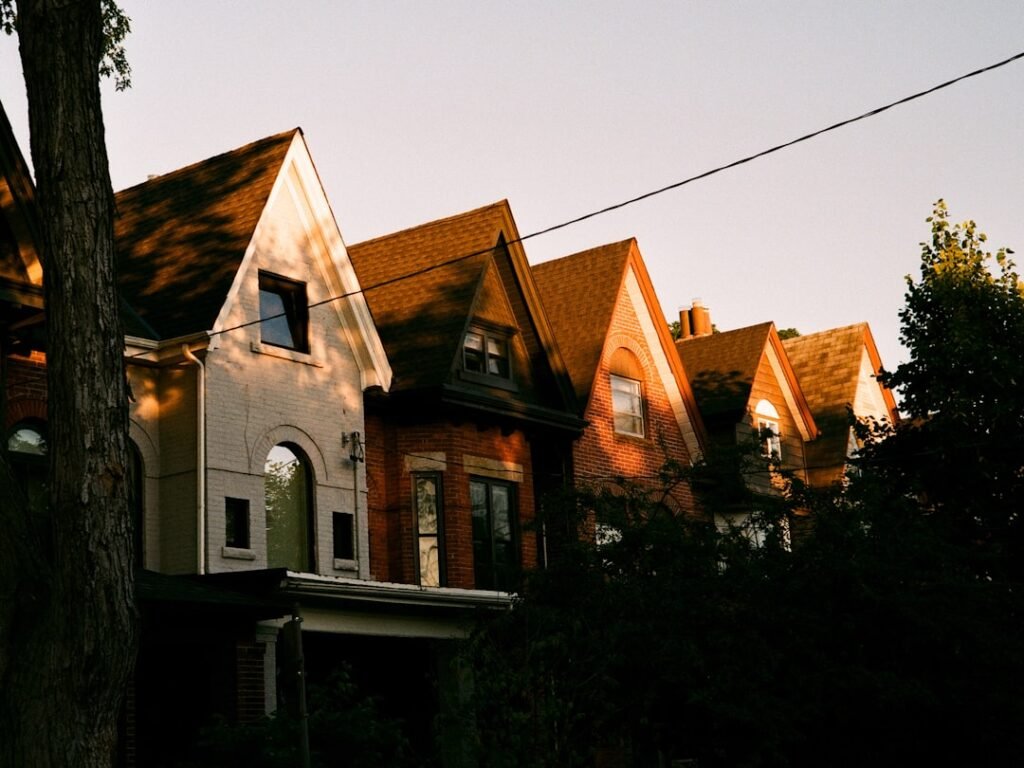
Toronto has a lot of older red brick housing stock, from Victorian bay-and-gable homes in Cabbagetown to early 20th century houses in neighbourhoods covered by Heritage Conservation District studies. That matters because older brick walls often manage moisture differently than newer cavity walls, and some homes are valued specifically for their original brick detailing and streetscape character. If your home is on the Heritage Register or in a Heritage Conservation District, check City requirements before you paint. For broader exterior planning, you can also review our related exterior content once this spoke is paired with the brick paint product post.
Why Toronto Homeowners Consider Painting Brick
Most homeowners consider painting brick for one of three reasons: the brick is heavily patched, the colour feels dated, or the house has already been partially altered and they want a cleaner, more unified exterior. In Toronto, that often means trying to soften orange-red brick, cover mismatched repairs, or modernize a home before listing.
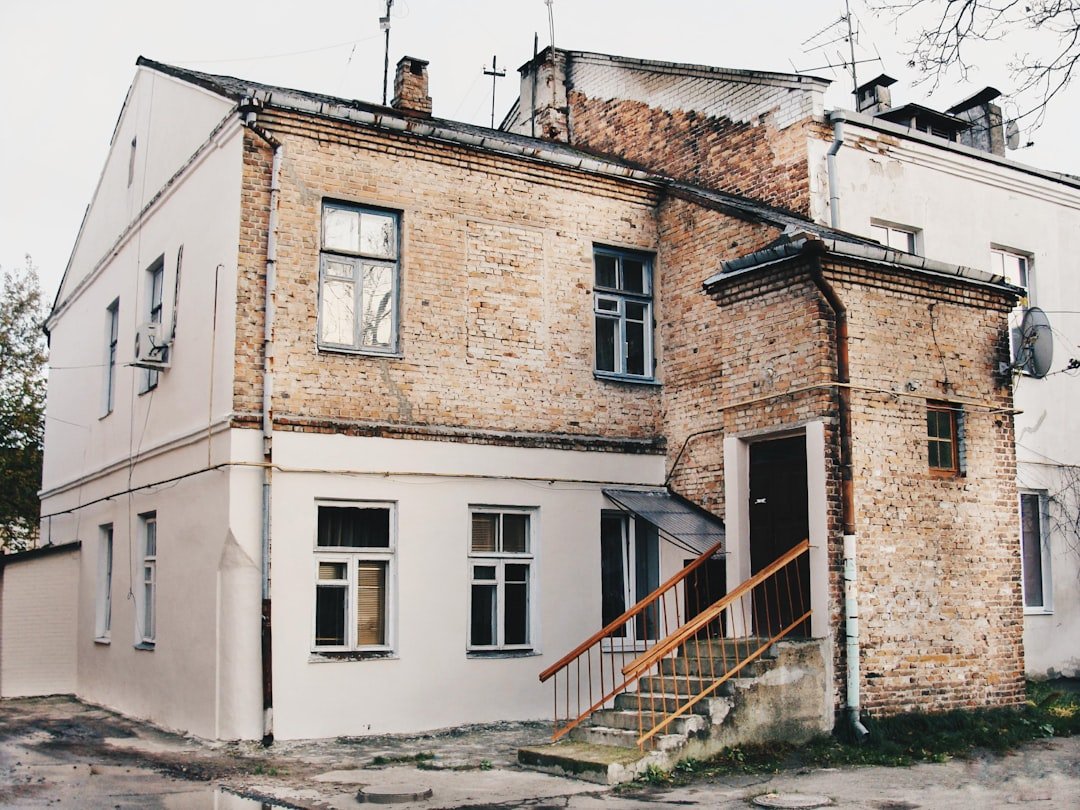
We see this most often on homes where the brick is visually inconsistent rather than historically special. A front elevation with multiple repair areas, old porch infills, replaced lintels, or uneven additions is a stronger candidate than a well-preserved original facade with crisp masonry details. At Soca Services Painting, we tell homeowners the same thing on site: paint should solve a real problem, not create a moisture problem just to follow a trend.
Toronto-specific context matters here. Many neighbourhoods still have intact red brick streetscapes, and some properties sit within areas where heritage character is part of the value. The City of Toronto notes that Heritage Conservation Districts are intended to guide change in historically significant neighbourhoods, and the Heritage Register identifies properties with cultural heritage value. If your home falls into either category, it is worth confirming what changes are appropriate before moving ahead.
The Pros and Cons of Painting Your Brick House
Painting brick has real upsides, but the trade-off is ongoing maintenance. You can dramatically change the look of a house and hide patchwork repairs, but once exterior brick is painted, you are committing to future repainting and much more careful moisture management.
| Potential Benefit | Potential Drawback |
|---|---|
| Covers mismatched brick repairs and colour variation | Painted brick needs maintenance and eventual repainting |
| Lets you update curb appeal without replacing masonry | Poor prep can lead to peeling, blistering, and patchy failure |
| Can unify additions, porch enclosures, and altered elevations | Moisture trapped in the wall can worsen spalling or paint failure |
| Works well on previously painted brick that needs renewal | Original brick texture and colour are difficult to restore later |
| Breathable masonry coatings can perform well on sound surfaces | Heritage-sensitive facades may lose character or need approvals |
If you are experiencing these symptoms, our team at Soca Services Painting can help. The key is deciding whether the problem is visual, structural, or moisture-related before any coating goes on.
Does Painting Brick Damage It? What Actually Happens
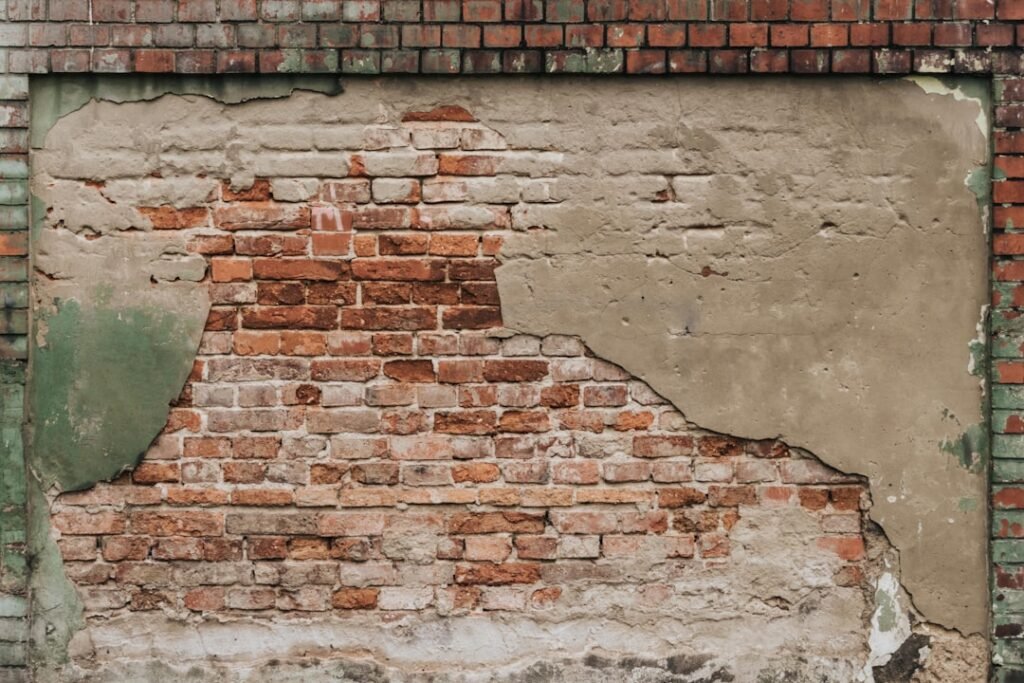
Painting brick does not automatically damage it, but painting the wrong brick in the wrong condition absolutely can. The main risk is not that paint attacks the masonry. The real risk is that brick and mortar hold moisture, and a non-breathable or poorly timed coating can interfere with drying.
Brick is naturally porous. If water gets into the wall through failed mortar joints, leaking flashings, bad caulking, overflowing gutters, or interior humidity migration, the wall needs a way to dry. Sherwin-Williams notes that continued efflorescence and moisture movement should be addressed before painting, and that moisture-related peeling can occur when paint is applied over damp substrates or when moisture migrates through the wall. That is why we inspect for efflorescence, chalking, loose mortar, cracked joints, rusting steel lintels, and damp basement conditions before we talk about colour.
On older Toronto houses, freeze-thaw cycles add another layer of risk. If brick stays wet and winter temperatures drop, the face of the brick can flake or pop. Homeowners often blame the paint, but the deeper issue is usually trapped moisture or already deteriorating masonry. Paint can hide that problem for a season, then reveal it in a much more expensive way.
So does painting brick damage the brick? Sometimes no, if the wall is dry, sound, and properly coated. Sometimes yes, if the house has moisture issues, soft historic brick, failing mortar, or a coating system that does not let the wall dry properly. That is why the inspection matters more than the colour chip.
When Painting Brick Makes Sense and When It Doesn’t
Painting brick makes sense when the masonry is structurally sound, visually inconsistent, and not especially valuable for its original appearance. It makes less sense when the brick is historic, damp, soft, or already showing signs of movement, salt, or face failure.
Good candidates for painting
Painting often makes sense on previously painted brick, heavily patched brick, newer brick with little architectural character, or mixed-material exteriors where paint helps tie everything together. It can also make sense on rear or side elevations that have already lost their original finish quality.
Cases where we usually recommend leaving brick alone
We are more cautious with century homes, especially those with soft brick, lime-rich mortar, decorative corbelling, or a strong original red-brick identity. The same goes for homes in heritage-sensitive Toronto neighbourhoods where masonry details are part of the streetscape value. If the house has active efflorescence, spalling, bulging, widespread mortar failure, or recurring dampness, the right move is repair first, not paint first.
There is also a middle ground. Sometimes homeowners do not need full paint at all. A masonry stain, limewash, or selective repair may give a softer change while preserving more texture and breathability. That is one reason this article works best paired with the brick paint product post, where coating types can be compared in more detail.
How to Prep and Paint Brick the Right Way
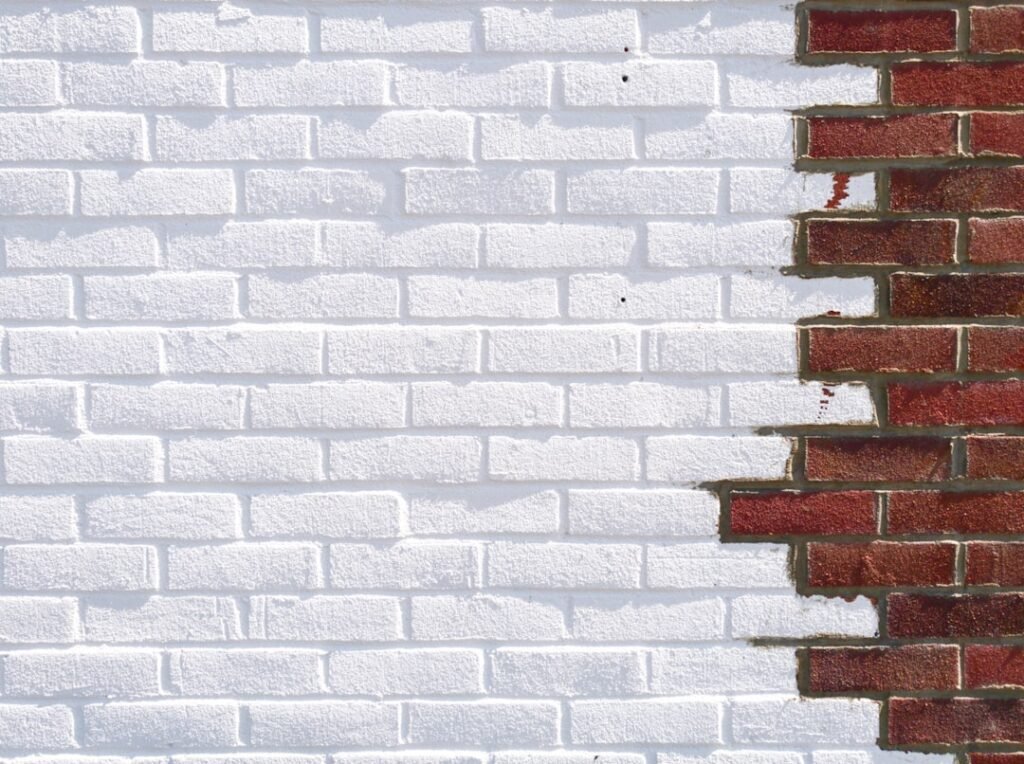
The success of painting brick comes down to prep. If the wall is dirty, damp, chalky, or structurally unsound, even a premium product will not save the job. Most failures happen because the surface was not cleaned properly, repairs were skipped, or the brick was painted before it had fully dried.
Step 1: Check the masonry before you quote the paint
Start with a condition review. Look for cracked or missing mortar, loose brick faces, white salt deposits, algae, failed caulking, leaking eaves, and rust stains at steel lintels. Any of those can point to moisture entry. If moisture is active, solve that first.
Step 2: Clean gently and let the wall dry
Exterior brick usually needs washing to remove dirt, chalk, and biological growth, but aggressive pressure washing can damage older mortar joints. A lower-pressure wash with the right cleaner is usually safer on Toronto century homes. Sherwin-Williams recommends cleaning thoroughly and allowing brick to dry completely before painting, and federal Canadian painting specifications for masonry set strict moisture limits before repainting.
Step 3: Repair first
Failed mortar joints should be repointed where needed, not buried under coating. Cracks around windows, doors, and trim should be properly caulked. If there is spalling or widespread surface failure, bring in a masonry specialist before any painter starts.
Step 4: Use a breathable masonry system
For most exterior brick projects, we recommend breathable acrylic masonry coatings rather than generic exterior wall paint. Product choice depends on the substrate and condition, but homeowners will often see options from Benjamin Moore, Sherwin-Williams, and Behr that are made for masonry and brick. The key is to use a system intended for masonry, follow the technical data sheet, and avoid turning a moisture-managing wall into a sealed box.
Step 5: Work within Toronto’s weather window
In the GTA, exterior brick painting is usually best scheduled from late spring through early fall, with close attention to overnight lows, rain, dew, and surface temperature. Benjamin Moore notes that many exterior products can be applied in a broad temperature range, but each product has its own specification. Practically speaking, stable dry weather gives the best results, especially on masonry that needs extra drying time after washing.
Application method matters too. Spraying is faster, but back-rolling or brush work is often needed to push coating into mortar lines and textured faces. On heavily textured brick, two full coats are standard.
What It Costs to Paint a Brick House in the GTA
For Toronto-area homeowners, the cost to paint a brick house usually depends more on prep and access than on paint alone. A simple one-storey section in good condition is one kind of job. A tall detached house with repairs, scaffolding, and extensive washing is a very different quote.
As a practical ballpark, many GTA painting brick house projects land higher than standard siding jobs because brick takes more labour to clean, detail, and coat thoroughly. Homeowners should expect pricing to move up when the project includes repointing coordination, lead-safe prep on older trim areas, lift access, detached garage elevations, or detailed masking around stone, windows, and landscaping. If you want an accurate number, we recommend an in-person review of the brick condition rather than pricing by square footage alone.
Product costs also vary. Masonry-specific coatings and primers are not the cheapest materials on the shelf, but they are usually the right place to spend money. A lower-cost paint that fails early is rarely a savings on brick.
Is Painted Brick Reversible?
In most real-world cases, painted exterior brick is not truly reversible without cost, risk, and some surface change. You may be able to remove portions of paint, but getting back to a clean, uniform, natural brick look is difficult and sometimes impossible.
This is one of the biggest homeowner misconceptions. Yes, paint can sometimes be stripped, but brick is textured and porous, mortar joints are irregular, and removal methods can be harsh. Chemical stripping is messy, abrasive methods can damage the face of the brick, and the result is often uneven. If the original reason for painting was patchiness or repair scars, removing the paint usually reveals those same issues again.
That is why we frame painting brick as a long-term finish choice, not a weekend experiment. If you love the look now but suspect you may want exposed red brick again in a few years, a stain or limewash discussion may be smarter before you commit.
Frequently Asked Questions About Painting Brick Houses
Homeowners usually want straight answers on lifespan, damage risk, and maintenance. The short version is that painted brick can last well when the wall is dry and the prep is solid, but it is never a zero-maintenance finish and it is rarely something you reverse cleanly.
Considering Painting Your Toronto Brick Home?
If you are weighing whether painting brick house surfaces is the right move for your Toronto or GTA property, start with the wall condition, not the trend. At Soca Services Painting, we help homeowners decide honestly whether brick should be painted, repaired, stained, or left alone. We have served Toronto and the GTA for more than 10 years, and we can walk you through prep needs, product options, colour direction, and what kind of maintenance to expect after the job is done.
Contact Soca Services Painting today to schedule a consultation, request a free in-home estimate, or book a colour consultation for your exterior project anywhere in Toronto and the GTA.
Frequently Asked Questions
Does painting a brick house damage the brick?
Not always. Painting brick can perform well if the masonry is dry, sound, and properly prepared, but it can cause problems when moisture is trapped in the wall or when the brick and mortar are already deteriorating.
How long does painted brick last?
It depends on the condition of the brick, the prep work, the coating system, and the weather exposure. In practice, homeowners should expect painted brick to need maintenance and eventual repainting just like other exterior painted surfaces.
Is painted brick reversible?
Usually not in a clean, simple way. Paint can sometimes be removed, but stripping exterior brick is difficult, expensive, and may leave uneven colour or surface damage behind.
What kind of paint should be used on exterior brick?
A breathable masonry coating or masonry-specific acrylic system is usually the safest choice. The product should match the condition of the wall and the manufacturer’s technical data sheet should be followed closely.
Should I paint a Toronto century home’s brick?
Be careful. Many Toronto century homes have soft masonry, historic detailing, or heritage considerations that make painting a poor choice. A condition review and heritage check should come before any paint decision.