Table of Contents
- What to Expect from Interior Painting Contractors in Toronto
- Cost of Interior Painting in Toronto: What You’ll Actually Pay
- How Long Does Interior Painting Take and What’s the Process?
- Questions to Ask Interior Painting Contractors in Toronto Before Hiring
- Conclusion
Last Updated: May 29, 2026
Choosing the right interior painting contractors toronto homeowners trust comes down to more than just picking the cheapest quote. Soca Services Painting has spent over a decade helping Toronto residents transform their homes, and the most common regret we hear from new clients is the same: "I wish I’d asked more questions before hiring." This guide covers everything you need to know before signing a contract, from what the process actually looks like to the red flags that should send you walking.
Here’s what most hiring guides get wrong: they focus entirely on price. The real decision factors are preparation quality, product selection, and whether the contractor carries proper liability insurance and WSIB coverage. Below, we’ll show you exactly how to evaluate any painting company in the Greater Toronto Area, what realistic costs look like, and a preparation checklist that saves you time on project day.
What to Expect from Interior Painting Contractors in Toronto
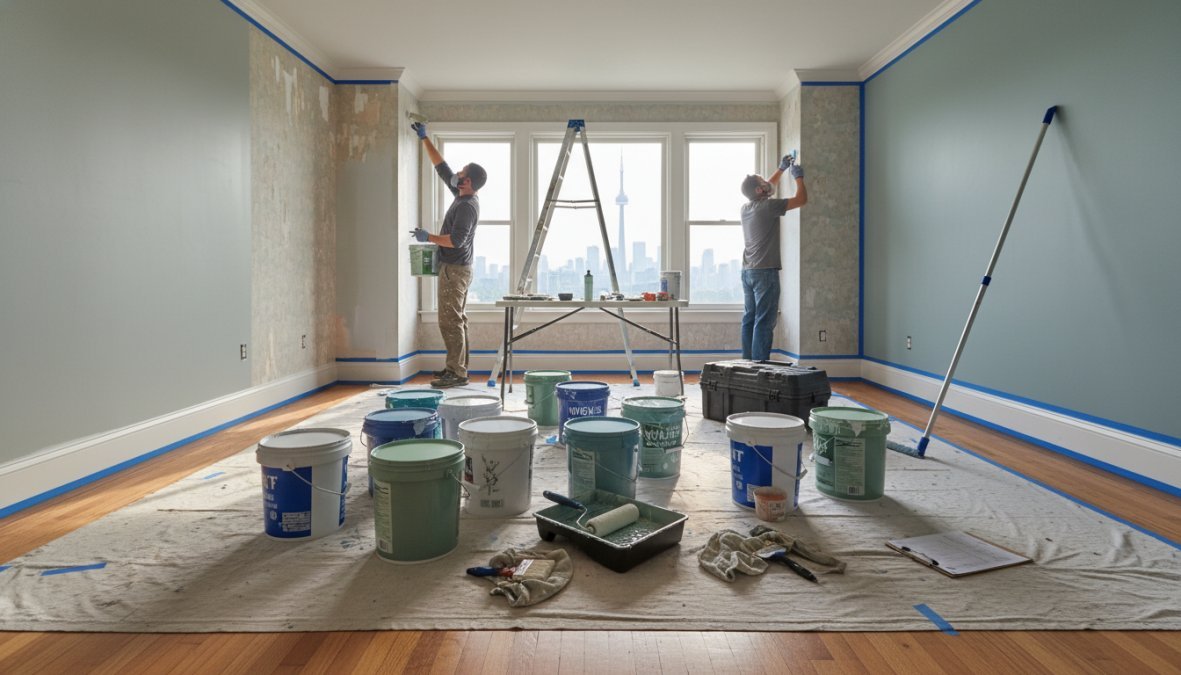
Professional interior painting contractors toronto homeowners hire should deliver more than a coat of paint on the wall. A qualified contractor handles surface preparation, caulking, sanding, drywall repair, and proper paint application before a brush even touches your walls. But knowing the general idea is different from knowing exactly what each stage looks like, what questions to ask at each step, and what separates a contractor who will produce a lasting finish from one who will not.
Stage 1: The Site Assessment and Written Proposal
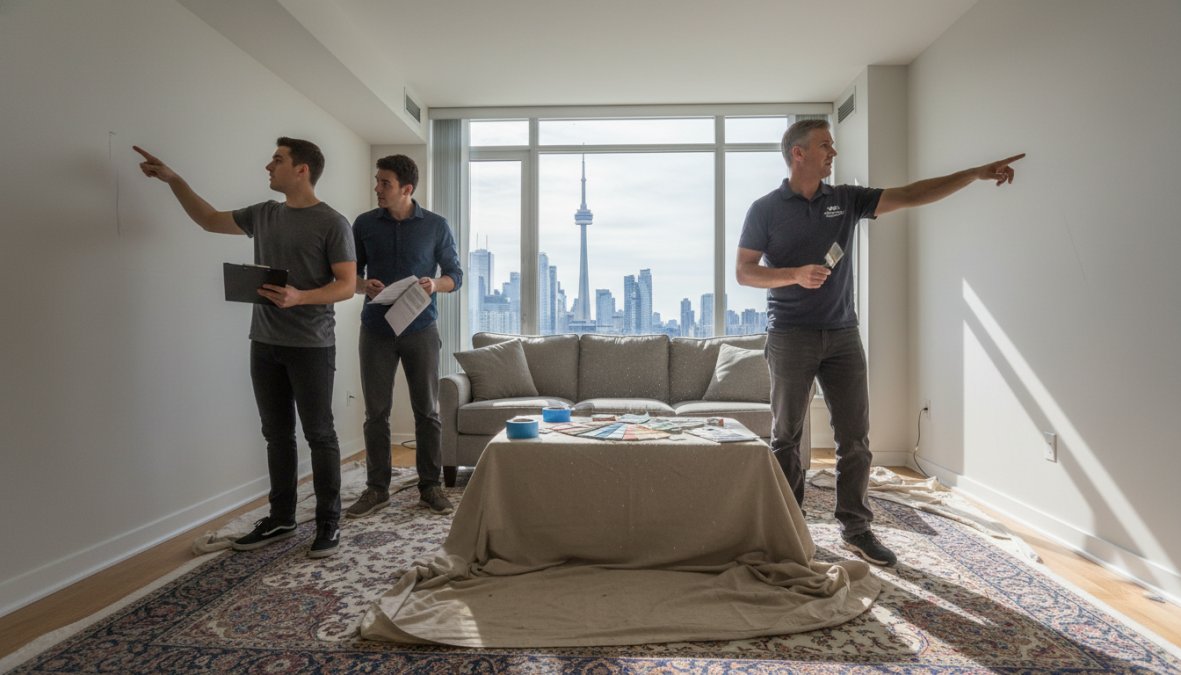
Every professional engagement starts with a walkthrough, not a phone estimate, not a per-square-foot formula applied sight unseen. A contractor who quotes without seeing the space cannot accurately price surface prep, and surface prep is where most of the cost variation lives.
During the walkthrough, a qualified contractor should be assessing:
- Wall and ceiling condition: Cracks, nail pops, water stains, and old texture finishes all affect prep time and materials
- Current paint sheen and colour: A dark colour being painted over with a light one requires a tinted primer coat; skipping it means the finish coat won’t cover in two coats
- Substrate type: Drywall, plaster, and previously painted brick each require different preparation approaches and primer products
- Ventilation: Especially relevant in older Toronto homes and condos where window access is limited
- Trim and millwork complexity: Detailed crown moulding, wainscoting, and built-ins add significant cutting-in time
The output of this visit should be a written project proposal that specifies scope, paint products by brand and product line, number of coats, prep work included, timeline, and total cost. According to the Canadian Home Builders’ Association’s contractor guidance, written contracts with clearly defined scope protect homeowners from cost overruns and disputes. Vague verbal estimates are a warning sign at any price point.
Stage 2: Surface Preparation, Where the Quality Is Actually Determined
Surface preparation is the least visible part of a paint job and the most important. A finish coat applied over poorly prepared surfaces will show every imperfection, peel at edges, and fail to adhere properly in high-humidity areas like kitchens and bathrooms.
What professional prep work actually involves:
- Cleaning: Walls are wiped down to remove grease, dust, and residue. In kitchens, a degreasing wash is standard. Skipping this step causes adhesion failure.
- Sanding: Glossy surfaces are scuff-sanded so the new paint has mechanical tooth to grip. High-sheen existing finishes that aren’t sanded will cause the new coat to peel.
- Caulking: Gaps at trim, baseboards, window frames, and crown moulding are filled with paintable caulk. This is what gives a finished room the clean, seamless look that separates professional work from DIY.
- Drywall repair: Nail holes, small cracks, and dings are filled, sanded flush, and spot-primed. Larger repairs, from water damage or doorknob impacts, are patched with joint compound and may require a skim coat.
- Priming: Not every surface needs a full prime coat, but new drywall always does, as does any surface with staining, significant colour change, or bare wood. A contractor who never primes is cutting corners; a contractor who always primes regardless of surface condition may be padding the job.
Ask your contractor specifically what prep work is included in the quote and what would trigger an additional charge. The answer tells you a great deal about how they operate. A professional will have a clear, specific answer. A contractor who says “we’ll handle whatever comes up” is leaving room to bill you for work that should have been scoped upfront.
Stage 3: Paint Application and Product Selection
The paint itself matters more than most homeowners realize. Professional-grade products from lines like Benjamin Moore Aura, Benjamin Moore Regal Select, Sherwin-Williams Emerald, and Sherwin-Williams Duration perform meaningfully differently from builder-grade products, in coverage, durability, washability, and how they look on the wall.
Finish selection is also a functional decision, not just an aesthetic one:
- Flat / matte: Hides surface imperfections well; not washable; best for low-traffic ceilings and adult bedrooms
- Eggshell: The most common residential finish; slight sheen; wipeable; appropriate for living rooms, dining rooms, and bedrooms
- Satin: More durable and washable than eggshell; good for hallways, children’s rooms, and high-touch areas
- Semi-gloss: Highly durable and moisture-resistant; standard for trim, baseboards, doors, and bathroom walls
- High-gloss: Maximum durability and sheen; typically reserved for trim and cabinetry; requires very smooth substrate to look good
A contractor who recommends the same finish for every surface in your home is not giving you professional guidance. The right finish depends on the room’s function, the amount of traffic it receives, and the condition of the underlying surface.
Stage 4: Detail Work, Final Inspection, and Warranty
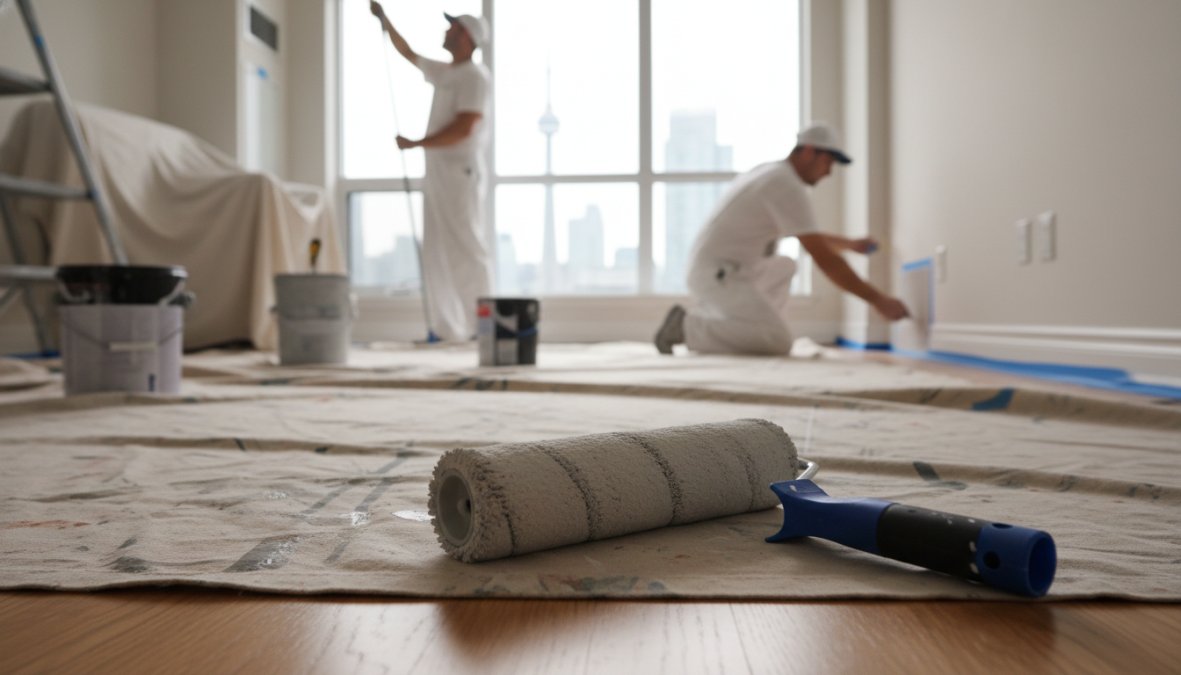
The final stage of a professional paint job covers trim, baseboards, door frames, and any specialty finishes, and it’s where the difference between a careful contractor and a rushed one is most visible. Clean lines at trim and ceiling junctions, consistent sheen across the full surface, and no roller texture visible in raking light are the marks of quality application.
Before final payment, a professional contractor should conduct a walkthrough with the homeowner in good lighting, ideally with a portable work light to catch any misses or thin spots. Any deficiencies identified during this walkthrough should be addressed before the project is signed off, not promised as a follow-up visit that may never happen.
Reputable interior painting contractors in Toronto back their work with a written workmanship warranty, typically one year minimum on labour. This warranty covers defects in application: peeling, bubbling, lap marks, or missed areas. It does not cover damage caused by moisture intrusion, impact, or normal wear. Confirm the warranty terms in writing before work begins.
Residential vs. Commercial Interior Painting Services
Residential painting and commercial painting are not the same job. Residential projects, covering everything from condo painting in North York to full house painters in Vaughan, prioritize minimal disruption to the household, careful furniture protection, and precise trim and baseboards work.
Commercial painting involves different constraints: faster timelines, larger surface areas, stricter scheduling around business operations, and often more demanding finishes on high-traffic surfaces. Interior painting contractors toronto businesses rely on need to understand both project management at scale and the specific durability requirements of commercial spaces.
The distinction matters when you’re hiring. A contractor who only does residential work may lack the equipment or crew size to handle a commercial job efficiently. Always confirm relevant experience for your specific project type.
Eco-Friendly and Low-VOC Paint Options
Paint selection is where many contractors cut corners, and it’s something clients rarely think to ask about.
Traditional paints contain volatile organic compounds (VOCs) that off-gas into your living space for days or weeks after application. Low-VOC and zero-VOC paints have improved dramatically in quality over the past several years. Brands like Benjamin Moore Natura and Sherwin-Williams Harmony deliver professional-grade coverage without the harsh chemical smell, making them particularly valuable for homes with children, pets, or anyone with respiratory sensitivities.
Ask your painting contractor specifically which paint line they use and why. A contractor who can’t explain the difference between a flat, eggshell, and semi-gloss finish in practical terms, or who pushes back on eco-friendly paint options, is likely prioritizing their supply cost over your home’s air quality.
Eco-friendly paint typically costs marginally more per litre, but the difference in total project cost is minimal. The health and comfort benefits are significant.
Cost of Interior Painting in Toronto: What You’ll Actually Pay
Most Toronto painting contractors hide every dollar behind a quote form. This section does the opposite. The ranges below are based on common market patterns for professional interior painting in the Greater Toronto Area and are intended to give you a realistic planning baseline, not a substitute for a written estimate on your specific project.
Room-by-Room Pricing Guide for Toronto Interior Painting
Pricing in Toronto is typically quoted per room or per square foot of paintable surface. "Paintable surface" means walls and ceiling, trim and baseboards are usually quoted separately.
| Space | Typical Size | Estimated Labour + Materials Range | Notes |
|---|---|---|---|
| Small bedroom | 100-130 sq ft floor area | $300 – $550 | Standard ceiling height, two coats |
| Master bedroom | 150-200 sq ft floor area | $450 – $750 | Increases with accent wall or vaulted ceiling |
| Living / dining room | 200-350 sq ft floor area | $600 – $1,100 | Open-concept layouts often quoted as one space |
| Kitchen (walls only) | 80-150 sq ft paintable | $350 – $650 | Cabinet painting is a separate line item |
| Bathroom | 40-80 sq ft paintable | $250 – $450 | Moisture-resistant paint required; adds marginal cost |
| Full condo (1 bed / 1 bath) | Approx. 600-750 sq ft total | $1,800 – $3,200 | Hallways, closets, and ceilings included |
| Full house interior (3 bed / 2 bath) | Approx. 1,500-2,200 sq ft total | $4,500 – $9,000+ | Wide range driven by prep needs and finish complexity |
These are planning ranges, not quotes. A home with water-damaged drywall, textured ceilings, or surfaces that haven’t been painted in over a decade will sit at the higher end or above these ranges. A contractor who quotes below the low end without seeing the space in person is almost certainly planning to cut prep time.
What’s Included (and What Isn’t) in a Standard Quote
The single most common source of billing disputes in Toronto’s painting market is the gap between what a homeowner assumed was included and what the contractor actually priced. A professional quote should explicitly state:
Typically included in a full-service quote:
- Surface preparation (sanding, caulking, minor drywall patching)
- Primer coat where required (new drywall, dark-to-light colour changes, stained surfaces)
- Two finish coats of agreed paint product
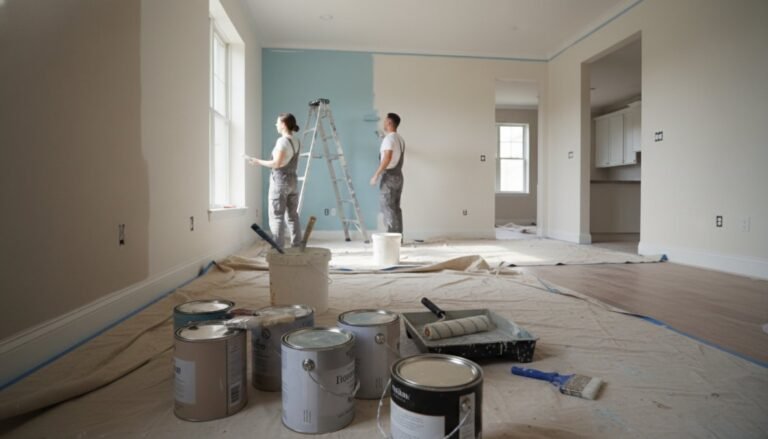
- Protection of floors, furniture, and fixtures with drop cloths and tape
- Final touch-up and client walkthrough
- Cleanup and disposal of materials
Typically quoted as separate line items:
- Popcorn ceiling removal (labour-intensive; often $2-$4 per square foot of ceiling area)
- Extensive drywall repair beyond minor patching
- Kitchen or bathroom cabinet painting (see below)
- Wood staining or brick staining
- Specialty finishes (limewash, venetian plaster, two-tone treatments)
- Trim, baseboards, and door frames (often $1.50-$3.00 per linear foot)
If a quote you receive is a single lump sum with no line-item breakdown, ask for the itemization before accepting. A contractor who can’t or won’t break down their quote is making it impossible for you to compare proposals accurately.
Cabinet Painting: A Separate Category
Kitchen cabinet painting is one of the most requested interior painting services in Toronto, and it is priced entirely differently from wall painting. Cabinet refinishing involves full disassembly, degreasing, sanding, priming, and multiple finish coats on each door and drawer face, often with a spray finish for a factory-smooth result.
For a typical Toronto kitchen with 20-30 cabinet doors and drawer fronts, professional cabinet painting commonly ranges from $1,500 to $3,500 depending on the number of pieces, current condition, and finish type. This is a significant investment, but it is a fraction of the cost of full cabinet replacement and can completely transform the look of a kitchen.
The Real Cost of Hiring Cheap
The cheapest quote in a competitive market is almost always cheap for a reason. The most common ways low-bid contractors reduce their costs:
- Skipping or rushing surface prep, the single biggest predictor of a paint job that peels, chips, or shows lap marks within a year
- Using builder-grade or contractor-grade paint rather than premium lines like Benjamin Moore Aura, Regal Select, or Sherwin-Williams Emerald
- Applying a single coat where two are specified, or thinning paint to stretch coverage
- Using unlicensed or uninsured labour, which transfers liability to the homeowner if an injury occurs on site
A paint job that needs to be redone in two years instead of lasting eight to ten costs far more in the long run. The labour cost of repainting is the same whether the previous job lasted two years or ten.
When comparing quotes, the most useful question is not “which is cheapest?” but “which quote includes the most prep work and specifies the best materials?” Those two factors determine how long the finish actually lasts.
Factors That Affect Your Painting Estimate
Several variables shift the final cost of any interior painting project in Toronto:
- Surface condition: Walls with cracks, water damage, or old textured finishes (including popcorn ceiling removal) require additional prep time and materials
- Paint finish selection: Higher-sheen finishes like semi-gloss cost slightly more and require more skilled application to avoid lap marks
- Number of colours: Each colour change adds time for cutting in and ensuring clean edges
- Cabinetry painting: Kitchen or bathroom cabinet repainting is labour-intensive and priced separately from wall work
- Ceiling height: Rooms above standard height require additional equipment and time
- Wood staining and brick staining: Specialty finishes carry higher material and labour costs than standard paint application
A trustworthy contractor will flag these factors upfront. Hidden charges that appear on the final invoice are one of the most common complaints in the home renovation industry.
Never pay more than a small deposit before work begins. Contractors who request large upfront payments before any materials are purchased or work is started are a significant red flag in the Toronto painting market.
How Long Does Interior Painting Take and What’s the Process?
Interior painting for a single room typically takes one to two days from prep to final coat, assuming surfaces are in reasonable condition. A full-home project in Toronto can run anywhere from three days to two weeks depending on scope, crew size, and drying time between coats.
The process professional painting contractors follow generally looks like this:
- Initial walkthrough and proposal: Scope confirmed, surfaces assessed, materials specified
- Surface preparation: Cleaning, sanding, caulking gaps, drywall repair where needed
- Priming: Especially critical on new drywall, dark colours, or stained surfaces
- Paint application: First and second coats with appropriate dry time between
- Detail work: Trim, baseboards, door frames, and any specialty finishes
- Final inspection and touch-ups: Client walkthrough before project is signed off
Skipping or rushing any of these steps, especially surface preparation, is what separates a paint job that looks great for six months from one that holds up for years.
Surface Preparation Checklist Before Painters Arrive
Good prep work is the single biggest predictor of a quality finish. This checklist helps homeowners prepare their space before interior painting contractors arrive, which reduces delays and keeps the project on schedule.
- Remove small furniture, art, and wall fixtures from the room
- Clear countertops and shelves of personal items
- Identify any wall damage, nail holes, or water stains and point them out to the contractor
- Confirm ventilation is available (windows that open, or HVAC access)
- Secure pets in a separate area of the home
- Confirm paint colours and finishes are agreed upon in writing before day one
- Ask the contractor to confirm what prep work is included in the quote
The contractor handles most physical prep, but homeowners who complete this list consistently report smoother, faster project completion.
Seasonal Painting Advice for Toronto Homeowners
Toronto’s climate creates real constraints for painting projects that many guides don’t address.
Interior painting can technically be done year-round since temperature and humidity are controlled indoors. However, winter months in Ontario bring lower ambient humidity, which can affect paint adhesion and drying times if the home has poor insulation or drafts. Spring and fall are generally ideal for interior work: moderate temperatures, stable humidity, and the ability to ventilate without extreme cold or heat affecting curing.
Summer is the most popular season for home renovation in the GTA, which means painting contractors book up quickly. If you’re planning a project for June through August, booking two to three months in advance is realistic. Waiting until the last minute in peak season typically means either settling for an inexperienced crew or delaying your project.
The best time to book interior painting contractors in Toronto is late winter or early spring. You’ll have more scheduling flexibility, contractors are less stretched, and you can air out your home comfortably as temperatures rise.
According to Canada Mortgage and Housing Corporation’s home maintenance guidance, proper ventilation during and after interior painting is essential for healthy indoor air quality, regardless of season. Low-VOC paints reduce this concern significantly but don’t eliminate it entirely.
Questions to Ask Interior Painting Contractors in Toronto Before Hiring
The right questions separate professional painting contractors from those who will cut corners the moment you’re not watching.
Every homeowner evaluating interior painting contractors toronto-wide should ask these before signing anything:
- Are you fully insured? Confirm both liability insurance and WSIB coverage. A contractor who can’t provide proof is a liability risk for the homeowner.
- Do you use subcontractors? Know who will actually be in your home.
- What surface prep is included? Sanding, caulking, and drywall repair should be specified, not assumed.
- What paint brands and lines do you use? Contractors who won’t specify are often using builder-grade products.
- Do you offer a workmanship warranty? Reputable companies stand behind their work for at least one year.
- Can you provide references from similar projects? Toronto neighborhoods vary widely in home age and construction type. North York condos and King City homes present different challenges.
As noted in the Ontario Ministry of Government and Consumer Services contractor hiring guide, homeowners have stronger legal recourse when contracts are written, detailed, and signed before work begins.
Best Practices for Hiring Painters: Red Flags to Avoid
The best practices for hiring painters come down to one principle: verify everything in writing. Here’s what signals a contractor you should avoid:
Red flags that indicate problems:
- No written contract or itemized estimate
- Pressure to decide immediately or lose the "deal"
- No proof of insurance or WSIB coverage
- Unusually low bids with no explanation (low bids often mean skipped prep or inferior paint)
- No fixed business address or online presence with verifiable reviews
- Requests for cash payment only
What a professional contractor does instead:
- Provides a detailed project proposal before work begins
- Confirms paint products, colours, and finishes in writing
- Schedules a final walkthrough and addresses deficiencies before final payment
- Maintains clear communication throughout the project
- Offers a workmanship warranty on completed work
On-time delivery and clear project management are non-negotiable for professional painting contractors. A contractor who goes silent mid-project or consistently misses their own timelines will not suddenly become reliable on the final day.
According to the Better Business Bureau’s guide to hiring home service contractors, checking for a verifiable business history and reading customer reviews across multiple platforms gives homeowners the most complete picture of a contractor’s reliability before committing.
Customer satisfaction in the Toronto painting market is directly correlated with how well the contractor communicates during the project, not just the quality of the final finish. Both matter, but communication problems surface far more often in negative reviews than technical quality issues.
Finding reliable interior painting contractors in Toronto takes more effort than a quick Google search and a gut-check on price. The contractors who deliver lasting results are the ones who invest in proper surface preparation, use quality materials, communicate clearly, and stand behind their work with a warranty. Soca Services Painting brings over a decade of experience, a proven 4-step service process, and a track record of precise finishes across both residential and commercial projects throughout the Greater Toronto Area. Get started with Soca Services Painting and experience a stress-free project from detailed proposal to final walkthrough.
Frequently Asked Questions
How much do interior painting contractors charge in Toronto?
The cost of interior painting in Toronto varies based on room size, surface condition, paint quality, and the number of coats required. A single room can range from a few hundred to over a thousand dollars, while full-home projects cost significantly more. Factors like drywall repair, caulking, sanding, trim and baseboards, and premium low-VOC paint options also affect the final estimate. Always request a detailed, itemized quote before committing to any contractor.
How long does interior painting take for a typical Toronto home?
How long interior painting takes depends on the scope of the project. A single room can typically be completed in one to two days, while a full house may take anywhere from three to seven days. Surface preparation, including sanding, caulking, and drywall repair, adds time but is essential for a lasting finish. A reputable interior painting contractor in Toronto will provide a clear project timeline upfront so you can plan accordingly.
What questions should I ask painting contractors before hiring them?
Before hiring interior painting contractors in Toronto, ask about their liability insurance and WSIB coverage, workmanship warranty, experience with residential or commercial painting, and whether they offer a free estimate. Also ask how they handle surface preparation, what paint brands and finishes they use, and whether they provide a written contract. These questions help you evaluate professionalism, protect your investment, and ensure there are no surprises during the project.
Do interior painters in Toronto provide free estimates?
Yes, most reputable interior painting contractors in Toronto offer free estimates. A professional contractor will visit your home, assess the scope of work, discuss colour consultation options, and provide a detailed project proposal at no charge. Be cautious of contractors who quote over the phone without seeing the space, accurate estimates require an in-person assessment of wall conditions, room dimensions, and any prep work like drywall repair or caulking that may be needed.
Are painting contractors in Toronto required to be licensed or insured?
While Ontario does not require a specific painting licence, professional interior painting contractors in Toronto should carry general liability insurance and be registered with the Workplace Safety and Insurance Board (WSIB). These protections safeguard you as a homeowner if property damage or a workplace injury occurs. Always ask for proof of both before work begins, any reputable local painting company will provide this documentation without hesitation.
This article was written using GrandRanker