

Selling your home in the competitive Greater Toronto Area (GTA) real estate market requires more than just a listing; it demands a strategic presentation. Professional home staging is no longer a luxury but an essential marketing tool that can significantly impact your sale price and how quickly you close the deal. The objective is to create a universally appealing environment that allows potential buyers, whether they're searching for homes 'near me' in Mississauga or a downtown Toronto condo, to envision themselves living in the space.
This guide provides the best, actionable staging tips for selling your home, focusing on a structured, objective approach and proven strategies designed to attract top offers in the GTA. We move beyond generic advice to deliver a comprehensive plan that covers everything from curb appeal to the final, picture-perfect touches that make your property stand out. By implementing these expert-level techniques, you're not just tidying up; you're merchandising your most valuable asset to capture buyer imagination and maximise your return on investment.
These methods are designed to be practical and high-impact, helping you present your property in its best possible light. For a comprehensive guide on making your home irresistible to buyers, explore additional tips to stage your home for sale effectively. This blueprint will walk you through decluttering, strategic furniture placement, optimizing light, and other critical steps that turn browsers into serious bidders. Let's begin crafting a presentation that ensures your home sells faster and for the best price.
1. Declutter and Depersonalize
One of the most foundational and impactful staging tips for selling your home is to create a clean, neutral canvas. Decluttering and depersonalizing involves more than just tidying up; it's a strategic, objective process of editing your home’s contents so potential buyers can mentally move in. The goal is to remove personal imprints and excess items, allowing the property’s features to shine and enabling buyers across the Toronto area to envision their own lives within the walls. This approach transforms your personal space into a desirable, market-ready product.
The Psychology of a Clean Slate
When a buyer walks into a home filled with family photos, specific collections, and crowded furniture, they see the current owner's life, not their own future. Depersonalizing helps eliminate this distraction. A prime example is the common practice among the best Toronto home staging companies, which often recommend removing up to 80% of family photographs and personal memorabilia. This isn't about erasing your history; it's about opening the door for a buyer's future. By presenting a neutral environment, you appeal to the broadest possible audience.
Actionable Steps for Implementation
Tackling this task can feel overwhelming, so a structured approach is key.
- Start Small: Begin with a single room or even a single area, like the kitchen countertops. This prevents burnout and builds momentum.
- The Four-Box Method: Get four boxes and label them: Keep, Store, Donate, and Discard. Address every single item in the room, from furniture to trinkets. Be ruthless in your sorting.
- The Rule of Three: For styling surfaces like shelves, mantels, and coffee tables, limit decorative items to groups of one or three. This creates a clean, intentional look without appearing sparse.
- Strategic Storage: For items you need to keep but want out of sight, invest in neutral, attractive storage bins or containers. These can be tucked away in closets or neatly stacked in a storage area.
A study of properties in the Greater Toronto Area (GTA) found that homes that removed approximately 40% of their bedroom furniture sold, on average, 17% faster. This highlights the perceived value of space and flow.
Ultimately, decluttering is not just about removing things. It’s about creating space, maximizing light, and highlighting your home’s best assets, making it an essential first step for any GTA seller aiming for the best possible outcome.
2. Deep Clean and Maintain Impeccable Cleanliness (with Odor Management)
Beyond a standard tidy-up, a professional-level deep clean is one of the most crucial staging tips for selling your home. This involves a meticulous, top-to-bottom cleansing that addresses every surface, nook, and cranny. The objective is to make the home feel new, well-maintained, and move-in ready. Critically, this process includes strategic odour management, ensuring that the first impression a buyer has is one of freshness and pristine upkeep, which directly influences their perception of the property's value.
The Psychology of a Spotless Home
A sparkling clean home communicates a powerful, subconscious message to buyers: that the property has been lovingly and diligently maintained. Smudges, grime, and lingering odours can signal neglect, making potential buyers wonder what other, more significant issues might be lurking beneath the surface. For example, listings in competitive markets like Mississauga and the broader GTA that feature professionally cleaned windows often receive more offers simply because the increased natural light makes the space feel larger and more inviting. Cleanliness builds trust and confidence in the purchase.
Actionable Steps for Implementation
Achieving this level of clean often requires more than just elbow grease; it demands a systematic approach.
- Hire Professionals Strategically: Schedule professional cleaners, including carpet and window specialists, two to three days before your first showing. This ensures the home is at its absolute best when it matters most.
- Focus on High-Impact Areas: Pay extra attention to kitchens and bathrooms. Scrub grout lines, polish fixtures until they shine, and ensure all appliances are spotless inside and out.
- Eliminate Odours at the Source: Don't just mask smells; eliminate them. Use enzymatic cleaners for pet odours and ensure proper ventilation. For effective odour management, consider selecting the right fragrances, as detailed in this guide on the best candle scents to use when selling a home. If your home has recently been painted, you can also learn more about managing paint smells here.
- Maintain the Shine: Keep a "touch-up kit" with microfiber cloths, glass cleaner, and a small vacuum readily available. Do a quick wipe-down of surfaces and a fluff of pillows before every single showing.
In a recent Toronto-area case study, a home with persistent pet odours sat on the market for 60 days. After a professional deep cleaning and ozone treatment eliminated the smell, it sold within five days for the asking price.
A surgically clean environment is non-negotiable in home staging. It's a direct investment in a faster sale and a higher closing price, making buyers feel they are acquiring a turnkey, well-cared-for asset.
3. Enhance Curb Appeal and Create Strong First Impressions
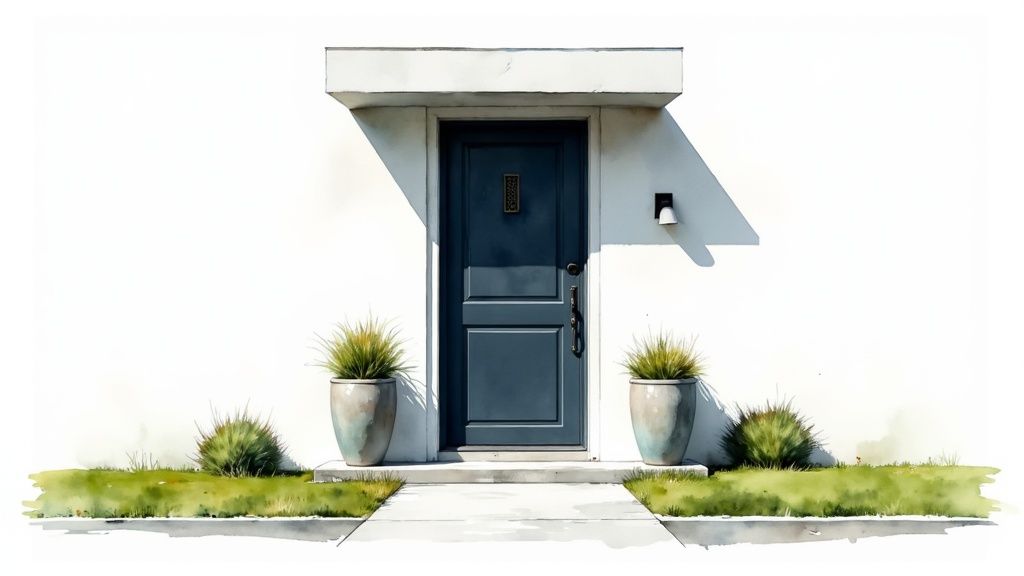
The very first judgment a potential buyer makes is based on your home’s exterior, making curb appeal one of the most critical staging tips for selling your home. This initial impression, formed in seconds, can determine a buyer's excitement and willingness to explore the interior. Enhancing the exterior involves strategic improvements to landscaping, finishes, and the entryway to create an inviting and well-maintained appearance. It signals that the home has been cared for, setting a positive tone before they even step through the door.
The Psychology of a Welcoming Facade
A property's exterior is its first and most powerful marketing tool. A neglected facade can lead buyers to assume the interior is similarly unkempt, potentially deterring them from even booking a showing. Conversely, a polished and attractive exterior builds anticipation and conveys pride of ownership. This emotional connection can be a powerful motivator. For example, a simple refresh of tired exterior brick can dramatically change a property's character; you can see impressive examples of this transformation on our page detailing brick staining before and after projects. The objective is to make buyers feel welcome and eager to see what’s inside.
Actionable Steps for Implementation
Improving curb appeal doesn't always require a massive investment. Small, focused efforts can deliver a significant return.
- Front Door Refresh: Apply a fresh coat of paint in a classic, bold colour like black, deep navy, or charcoal grey. Update the hardware, including the handle, lock, and house numbers, for a modern, cohesive look.
- Power-Wash Surfaces: Cleanliness is paramount. Power-wash the driveway, walkways, siding, and porch to instantly remove dirt and grime, making the entire property look brighter.
- Manicure the Landscaping: Mow the lawn, edge the garden beds, and trim overgrown shrubs and tree branches, especially any that obscure windows or the front door. Add a fresh layer of dark mulch for instant contrast and polish.
- Accessorize the Entryway: Place two large, symmetrical potted plants flanking the front door to add life and colour. Ensure all outdoor light fixtures are clean, functional, and fitted with bright bulbs.
A market analysis of homes for sale in the Greater Toronto Area (GTA) revealed that properties with a significant landscaping refresh, including new flowering plants and mulch, saw buyer inquiries increase by an average of 40%.
By focusing on these exterior details, you create a powerful and positive first impression that can significantly influence a buyer's perception of value and their overall interest in your home.
4. Strategic Furniture Arrangement and Space Planning
How you arrange your furniture is one of the most powerful staging tips for selling your home, directly influencing a buyer's perception of size, flow, and function. Strategic furniture placement is about more than aesthetics; it's the art of using furnishings to define spaces, highlight architectural features, and create an intuitive path through the home. The goal is to make each room feel spacious, purposeful, and inviting, allowing buyers to easily envision how their own lives would fit into the layout.
The Psychology of Flow and Function
When buyers tour a home, they are subconsciously assessing its livability. A poorly arranged room with oversized furniture can feel cramped and confusing, while a well-planned space feels open and logical. The best professional stagers in the Toronto area understand that the correct furniture scale and placement can solve layout challenges. For instance, arranging a living room to foster conversation around a fireplace, rather than solely facing a television, creates a warmer, more sophisticated atmosphere that appeals to a broader range of buyers.
Actionable Steps for Implementation
Creating an optimal layout requires a deliberate and strategic approach.
- Define Clear Walkways: Ensure there is at least three feet of clear walking space around furniture groupings and through main traffic areas. This creates a sense of openness and prevents rooms from feeling obstructed.
- Establish Zones: In open-concept areas, use area rugs to anchor furniture and define distinct zones, such as a seating area, a dining space, or a reading nook. This brings order and purpose to a large, undefined room.
- Remove or Replace Oversized Pieces: A common mistake is using furniture that is too large for the room. A bulky sectional can make a living room feel tiny. Consider temporarily replacing it with smaller, appropriately scaled pieces.
- Highlight Focal Points: Position your primary furniture to draw attention to the room's best features, like a large window with a view, a fireplace, or built-in shelving.
In a review of property sales in the Mississauga and greater Toronto (GTA) area, master bedrooms staged with correctly scaled furniture and a clear flow to the ensuite and closets sold, on average, 12% faster than those with crowded or oversized furnishings.
Ultimately, thoughtful furniture arrangement guides the buyer’s eye, maximises the perceived square footage, and tells a compelling story about how the home can be lived in and enjoyed.
5. Utilize Neutral Colour Palettes and Fresh Paint
A fresh coat of paint is one of the most cost-effective yet transformative staging tips for selling your home. Applying a neutral colour palette creates a bright, clean, and spacious feel, effectively erasing specific design choices that might not appeal to every buyer. This strategy provides a blank canvas, allowing prospective homeowners to more easily envision their own furniture, decor, and life within the space. It moves the home from a personal sanctuary to a market-ready asset poised for a quick and profitable sale in the Toronto market.
The Psychology of Neutrality and Space
Bold or highly specific colours can be polarizing and may subconsciously deter buyers who perceive them as a project to be fixed. Neutral tones like greige, soft grey, cream, and off-white have broad appeal because they are calming and sophisticated. For instance, a homeowner in Mississauga saw their sale time drop by 18% after repainting a deep purple bedroom in a soft, welcoming greige. This simple change made the room appear larger, brighter, and more versatile, appealing to a wider pool of buyers.
Actionable Steps for Implementation
A professional-looking paint job is crucial; sloppy work can be as off-putting as a loud colour.
- Choose the Right Undertone: Select a neutral shade with an undertone that complements your home’s fixed elements and lighting. A warm greige works well in sun-drenched rooms, while a cool grey can balance spaces with less natural light.
- Create Contrast with Trim: Paint baseboards, window frames, and door trim in a crisp white or off-white. This classic technique makes the wall colour pop and adds a polished, architectural feel to the room. Use a satin or semi-gloss finish for durability and a subtle sheen.
- Prioritize a Professional Finish: Ensure all surfaces are properly prepped, lines are clean, and coverage is even. For those looking for the best results, learning more about the best interior paint for walls on socaservicespainting.com can provide valuable insights.
- Time it Right: Aim to finish painting at least three to five days before your first showing. This allows time for the paint to cure and for any lingering odours to dissipate completely.
In a competitive market like the GTA, homes painted in a cohesive, light-neutral palette consistently attract more attention. One Toronto property, painted entirely in coordinating neutrals, received multiple offers and sold for the asking price within five days of listing.
Ultimately, a strategic paint job neutralizes the space, enhances its best features, and presents a move-in-ready home that buyers can fall in love with at first sight.
6. Optimize Lighting and Create Bright, Inviting Spaces
One of the most transformative staging tips for selling your home is to strategically enhance its lighting. Optimizing light involves more than just opening blinds; it's a deliberate approach to making every room feel larger, more welcoming, and more valuable. By maximizing natural light and layering artificial sources, you create an ambiance that highlights your home’s best features and appeals directly to a buyer's emotions. Good lighting can turn a dull, cramped space into a bright, airy, and desirable home.
The Psychology of a Well-Lit Space
Light has a profound psychological effect on how we perceive a space. Bright, well-lit rooms are often associated with cleanliness, positivity, and size, while dark areas can feel small, neglected, or even unsafe. Buyers are naturally drawn to spaces that feel open and cheerful. When a home is filled with light, it allows them to see every detail clearly and feel more comfortable and confident in the property. This is why the best real estate photographers in Toronto often schedule shoots during peak daylight hours; light sells.
Actionable Steps for Implementation
Creating a layered and effective lighting scheme is achievable with a few focused updates.
- Upgrade Key Fixtures: Swap out dated or builder-grade light fixtures for modern, stylish alternatives. A new chandelier in the dining room or contemporary pendant lights over a kitchen island can dramatically update a space for a relatively small investment.
- Embrace Layered Lighting: Don't rely on a single overhead light. Combine ambient (general), task (focused), and accent (highlighting) lighting. For example, use table lamps and floor lamps to soften corners and add warmth.
- Standardize Your Bulbs: Use warm white (2700K-3000K) LED bulbs consistently throughout the house. This creates a cohesive, inviting glow and avoids the harsh, sterile feel of cool-toned bulbs.
- Maximize Natural Light: Clean all windows inside and out. Trim any landscaping that blocks sunlight and use sheer, lightweight curtains instead of heavy drapes. Place mirrors opposite windows to reflect and amplify natural light.
A case study of a semi-detached home in a competitive Mississauga neighbourhood found that after an investment of less than $1,500 in new light fixtures and professional window cleaning, the property received multiple offers and sold for 7% over the asking price.
Proper lighting is a critical yet often overlooked element of staging. It works silently in the background to make your entire home feel more spacious, polished, and ultimately, more valuable to prospective buyers.
7. Stage Kitchen and Bathrooms as Key Selling Features
Among the most critical staging tips for selling your home, focusing on the kitchen and bathrooms yields one of the highest returns on investment. These functional spaces heavily influence a buyer's decision, as they are often the most expensive to renovate. A well-staged kitchen and bathroom signal cleanliness, modern functionality, and a well-maintained property. The goal is to present these rooms not just as utilitarian areas, but as appealing lifestyle features that add significant value to the home.
The Psychology of High-Impact Spaces
Buyers often make emotional decisions based on their impression of the kitchen and master bathroom. A sparkling, organised kitchen suggests a home that is easy to manage, perfect for entertaining, and ready for family life. Similarly, a bathroom styled like a serene, spa-like retreat offers an escape and a touch of luxury. When these areas are pristine, it subconsciously assures buyers that the less visible parts of the home, like plumbing and electrical systems, are also in good order. This perceived value can make your home stand out, especially in competitive markets like Mississauga or the greater GTA.
Actionable Steps for Implementation
Transforming these key rooms doesn't always require a full renovation; strategic updates can make a world of difference.
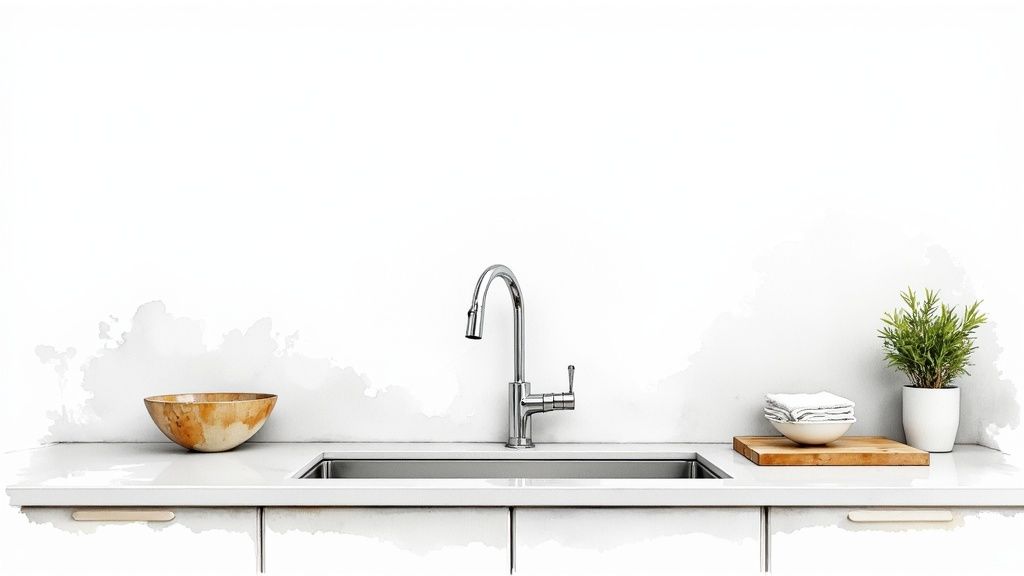
- Clear the Counters: Remove all appliances, utensil holders, and personal items from countertops. Leave only one or two intentional decorative items, like a bowl of fresh lemons or a small plant.
- Update Fixtures and Hardware: A simple, cost-effective update is to replace dated cabinet pulls, faucets, and light fixtures with modern, matching hardware in a finish like brushed nickel or matte black.
- Create a Spa Atmosphere: In bathrooms, roll fluffy white towels and place them in a basket. Add a new shower curtain, a clean bath mat, and a single orchid or eucalyptus branch in a vase. For an even bigger impact, a professional finish on dated vanities can modernise the entire space. Learn more about the best approach for painting bathroom vanities and cabinets on socaservicespainting.com.
- Deep Clean Everything: Pay special attention to grout, caulking, and the shine of all fixtures. Re-caulking a tub or shower is an inexpensive task that makes the entire room feel new and meticulously cared for.
A case study of homes sold in Toronto showed that properties with minor cosmetic updates in the kitchen, such as freshly painted cabinets and new hardware, often sold up to 15% faster than comparable homes with dated kitchens.
By focusing your staging efforts here, you address the rooms that buyers scrutinise the most, ensuring your property leaves a lasting, positive, and profitable impression.
8. Create Focal Points and Highlight Architectural Features
Every room has a story to tell, and a focal point is its compelling headline. One of the most effective staging tips for selling your home is to strategically direct a buyer’s attention to the property's most impressive attributes. By creating clear focal points, you guide the viewing experience, ensuring that architectural details like a stunning fireplace, beautiful built-in shelving, or a breathtaking view are not just seen but truly appreciated. This technique elevates a room from a simple space to a memorable feature.
The Psychology of Directed Attention
When buyers enter a room without a clear point of interest, their eyes can wander aimlessly, often settling on minor imperfections. A well-defined focal point anchors the room, provides a sense of order, and immediately communicates its best quality. This is about controlling the narrative of your home. For example, a fireplace mantel staged with simple, elegant decor draws the eye, making the entire room feel cosier and more luxurious. This prevents buyers from being distracted by less desirable elements and helps them form a strong, positive first impression.
Actionable Steps for Implementation
Directing a buyer's gaze requires intentional arrangement and styling.
- Orient the Furniture: Arrange the primary seating in a room to face its best feature. If you have a large picture window with a great view, position the sofa to look outwards, inviting buyers to do the same.
- Use Accent Lighting: Install a spotlight or an elegant floor lamp to illuminate architectural details like tray ceilings, custom millwork, or an art niche. Light naturally draws the eye.
- Frame the Feature: Use furniture placement to create a visual frame around your focal point. Two matching armchairs on either side of a fireplace or built-in bookshelves can create a powerful sense of symmetry and importance.
- Style with Purpose: Keep decor on and around the focal point minimal and sophisticated. For a mantelpiece, a symmetrical arrangement with a central piece of art and two matching accessories is classic and effective.
In a recent analysis of home sales in the Mississauga and greater Toronto area (GTA), properties that successfully highlighted a key architectural feature, such as floor-to-ceiling windows, often attracted premium buyers and spent less time on the market.
By deliberately highlighting what makes your home unique, you help buyers connect emotionally with the space, making it easier for them to envision it as their own.
9. Add Strategic Decorative Touches and Styling Elements
Once your home is decluttered and depersonalized, the next step in professional home staging is to strategically reintroduce personality through curated décor. Adding intentional styling elements is one of the most effective staging tips for selling your home because it breathes life and warmth into a neutral space. The objective is to create a sophisticated, model-home ambiance that feels inviting and aspirational, showcasing the property's potential lifestyle without imposing personal taste.
The Psychology of Aspirational Living
Buyers are not just purchasing a structure; they are investing in a future lifestyle. Strategic décor helps them visualize that life. A thoughtfully placed throw blanket, a piece of abstract art, or a collection of healthy green plants can transform a simple room into a serene retreat or a chic entertainment space. This technique creates emotional connection points, allowing buyers to feel at home rather than like they are touring a sterile, empty box. This aspirational appeal can significantly influence their perception of the property's value.
Actionable Steps for Implementation
Styling is an art, but following a few key principles can deliver a professional-quality result.
- Follow the Rule of Three: When arranging items on surfaces like coffee tables or bookshelves, group them in odd numbers, typically threes. A common arrangement is a stack of books, a small plant, and a decorative object.
- Layer Textures and Tones: Combine different materials like smooth metals, soft velvets, rough linens, and glossy ceramics. Stick to a tight palette of two to three neutral colours with one or two complementary accent colours for a cohesive look.
- Incorporate Greenery: Add three to five plants of varying sizes and heights throughout the home. Plants add colour, life, and a sense of wellness to any room.
- Use Large-Scale Art: Instead of multiple small pieces, which can look cluttered, opt for one or two large pieces of neutral, abstract artwork to act as a focal point and make a room feel more spacious and organized.
A study of staged properties in the GTA, including areas like Mississauga, found that a bedroom styled with coordinated bedding and appropriate artwork was perceived as up to 20% more spacious than its unstaged counterpart.
Ultimately, these decorative touches are the final layer that elevates a clean house to a beautifully staged home, demonstrating its full potential and making it memorable to buyers.
10. Professional Photography and Virtual Staging for Online Appeal
In today's digital-first real estate market, your home’s online listing is its first showing. This is why investing in professional photography and virtual staging is one of the most critical staging tips for selling your home. High-quality visuals capture buyer attention immediately, creating a powerful first impression that distinguishes your property from others. This strategic approach uses professional-grade photos, 3D tours, and digitally furnished images to showcase your home's full potential, attracting more serious and qualified buyers before they even step through the door.
The Psychology of the Digital First Impression
The vast majority of homebuyers begin their search online, scrolling through hundreds of listings. Professional photography makes them stop and look closer. It communicates value, care, and quality, suggesting the home is well-maintained. Virtual staging takes this a step further, especially for vacant properties, by helping buyers overcome the challenge of visualizing scale and furniture placement. An empty room can feel cold and small, but a virtually staged one feels like a potential home, sparking an emotional connection. This is why some of the best agents in competitive markets like Mississauga and the GTA consider it a standard practice.
Actionable Steps for Implementation
To maximize your online presence, a coordinated visual strategy is essential.
- Hire a Specialist: Don't rely on smartphone photos. Search for a real estate photographer with a strong portfolio that includes HDR (High Dynamic Range) photos, which capture light and colour more accurately.
- Prepare for the Shoot: Ensure the home is perfectly staged, cleaned, and decluttered before the photographer arrives. All lights should be on, and all blinds or curtains should be open to maximize natural light. Fresh paint from a professional service can make a significant difference in photos; you can learn more about professional house painting services to prepare your space.
- Leverage Virtual Tools: For empty rooms, use virtual staging to add stylish, modern furniture digitally. This is far more cost-effective than physical staging. Consider a Matterport 3D tour, which allows buyers to "walk" through the home from anywhere, a powerful tool for attracting out-of-town interest.
- Choose the Right "Hero" Shot: The first image in your online listing is the most important. Typically, this is a bright, wide-angle shot of the home's exterior on a sunny day or a stunning interior photo of the main living area.
According to Zillow Group's research, listings with professional photos can sell for thousands more and spend less time on the market. In one case, a luxury condo that sat empty for months received multiple offers after being virtually staged to showcase its potential lifestyle.
Ultimately, professional visuals are not a luxury; they are a fundamental marketing tool. They expand your reach, attract a higher calibre of buyer, and set the stage for a faster, more profitable sale.
10-Point Home Staging Comparison
| Strategy 🔄 Implementation Complexity | Resource Requirements ⚡ | Expected Outcomes ⭐📊 | Ideal Use Cases 💡 | Key Advantages ⭐ |
|---|---|---|---|---|
| Declutter and Depersonalize — Moderate 🔄 (time‑intensive sorting) | Low–Moderate ⚡ — boxes, short‑term storage, possible rental costs | Faster sales; clearer spaces ⭐📊 (~7–10 days faster) | Occupied homes, high‑clutter properties 💡 | Enlarges perceived space; reduces distractions ⭐ |
| Deep Clean & Odor Management — Moderate–High 🔄 (professional coordination, ongoing) | Moderate–High ⚡ — $300–$1,000+, pro cleaners, HVAC/duct work | Higher perceived value; fewer buyer concerns ⭐📊 (+5–10% perceived) | Homes with visible wear/odors, pet properties 💡 | Strong ROI; immediate positive first impression ⭐ |
| Enhance Curb Appeal — Moderate 🔄 (landscape and exterior work) | Low–Moderate ⚡ — plants, paint, power‑wash, seasonal upkeep | More showings; better listing photos ⭐📊 (+5–10% perception) | Street‑facing homes; listings relying on first impressions 💡 | Drives traffic; cost‑effective exterior impact ⭐ |
| Strategic Furniture Arrangement — Moderate 🔄 (planning; possible rentals) | Moderate ⚡ — rental/replacement furniture $500–$3,000 | Improved flow and perceived size; faster sales ⭐📊 | Empty or poorly arranged homes; open‑plan spaces 💡 | Shows function; maximizes usable space ⭐ |
| Neutral Paint & Color Palettes — Low–Moderate 🔄 (prep + painting) | Low–Moderate ⚡ — $300–$1,500 for average home | Cleaner, brighter rooms; high ROI ⭐📊 (50–100% ROI common) | Homes with bold/damaged walls; unify interiors before listing 💡 | Neutral backdrop helps buyer projection; covers wear ⭐ |
| Optimize Lighting — Moderate 🔄 (fixture upgrades, layering) | Moderate ⚡ — $100–$500 per fixture; bulbs, possible electric work | Brighter, larger feel; improved photos ⭐📊 | Dark interiors; properties needing better photography 💡 | Enhances mood/safety; highlights architectural features ⭐ |
| Stage Kitchens & Bathrooms — Moderate–High 🔄 (detailed styling/cleaning) | Moderate ⚡ — deep cleaning, hardware, small updates ($150–$400+) | High perceived value; directly influences offers ⭐📊 | Kitchens/baths showing wear; high‑impact decision rooms 💡 | Largest perceived ROI; critical for buyer decisions ⭐ |
| Create Focal Points & Highlight Features — Moderate 🔄 (design expertise) | Low–Moderate ⚡ — accent lighting, artwork, styling | Stronger emotional appeal; justify higher price ⭐📊 | Homes with fireplaces, views, built‑ins, or unique elements 💡 | Turns features into selling points; photo‑ready rooms ⭐ |
| Decorative Touches & Styling — Low–Moderate 🔄 (styling sensibility) | Low ⚡ — $200–$800 in pillows, rugs, art, plants | Warmer, model‑home look; better imagery ⭐📊 | Sterile listings; budget staging or quick refreshes 💡 | Affordable visual impact; easy to install/remove ⭐ |
| Professional Photography & Virtual Staging — Moderate 🔄 (scheduling, tech) | Moderate–High ⚡ — $300–$1,500+ (photos, virtual staging, drone) | Significantly increased inquiries; online appeal ⭐📊 (+30–50% inquiries) | Online‑driven markets; empty homes; luxury listings 💡 | First impression online; attracts higher‑quality buyers ⭐ |
Your Next Steps to a Successful Home Sale
Moving from a house filled with personal memories to a market-ready property is a significant transformation. The journey involves a series of deliberate, strategic actions designed to showcase your home’s maximum potential. Throughout this guide, we've explored ten critical staging tips for selling your home, each serving as a vital component in crafting an irresistible presentation for potential buyers. By implementing these strategies, you shift the narrative from "your home" to "their future home," creating an objective structure that appeals to the widest possible audience in competitive markets like Toronto and the GTA.
The core principle behind the best staging is the removal of personal bias to create a universally appealing canvas. From the foundational steps of aggressive decluttering and depersonalizing to the meticulous deep clean that leaves every surface gleaming, your goal is to present a pristine, well-maintained asset. Enhancing curb appeal ensures that the first impression is powerful and positive, drawing buyers in from the moment they arrive. Inside, strategic furniture arrangement, optimized lighting, and a fresh, neutral colour palette work in harmony to make spaces feel larger, brighter, and more inviting.
Key Takeaways for Maximum Impact
Remember that buyers are not just purchasing four walls and a roof; they are investing in a lifestyle and a vision for their future. Staging helps them see that vision clearly.
- Focus on High-Return Areas: The kitchen and bathrooms are consistently ranked as the most influential rooms in a buyer's decision. Prioritizing their staging can yield a significant return on your investment.
- Create Emotional Connection Points: While depersonalizing is crucial, strategic decorative touches, such as a cozy reading nook or a beautifully set dining table, create an emotional resonance. These details help buyers imagine themselves living happily in the space.
- Leverage Professional Presentation: In today’s digital-first real estate market, professional photography and virtual staging are non-negotiable. These tools ensure your property stands out online, which is where the vast majority of buyers begin their search.
- Embrace Objectivity: One of the most challenging aspects of staging is viewing your own home with an objective eye. Adopting a structured approach, like the one outlined in this article, helps you methodically prepare your property for the best possible outcome.
Turning Staging Knowledge into Action
Your next step is to create a personalized action plan. Walk through your home, room by room, with this list of staging tips for selling your home in hand. Make a detailed checklist, categorizing tasks into what you can do yourself and where you might need professional assistance. For many homeowners in the Mississauga and greater Toronto area, achieving that flawless, neutral backdrop is the single most impactful yet daunting task. A professional paint job not only covers scuffs and outdated colours but also creates the perfect, light-filled environment that makes every other staging element more effective. By systematically applying these principles, from curb appeal to the final photograph, you are not just preparing your house for sale; you are strategically positioning it for a faster, more profitable transaction.
Ready to create the perfect neutral canvas that captivates buyers? For a flawless, professional finish that elevates your home's appeal, trust the experts at Soca Services Painting. Visit Soca Services Painting to see how their expertise can be the cornerstone of your successful home sale.





One Comment