Table of Contents
- Understanding the Core Differences Between Spray Painting and Brush Painting
- Speed and Efficiency: Which Method Covers Faster?
- Pros and Cons of Paint Sprayers for Interior and Exterior Work
- Best Paint Application Method for Furniture and Detailed Work
Spray Painting vs. Brush Painting: Key Differences
Last Updated: July 4, 2026
Understanding the difference between spray painting and brush painting is essential for any painting project. Both methods deliver results, but they excel in different situations. The choice affects your timeline, budget, and overall project satisfaction.
Understanding the Core Differences Between Spray Painting and Brush Painting
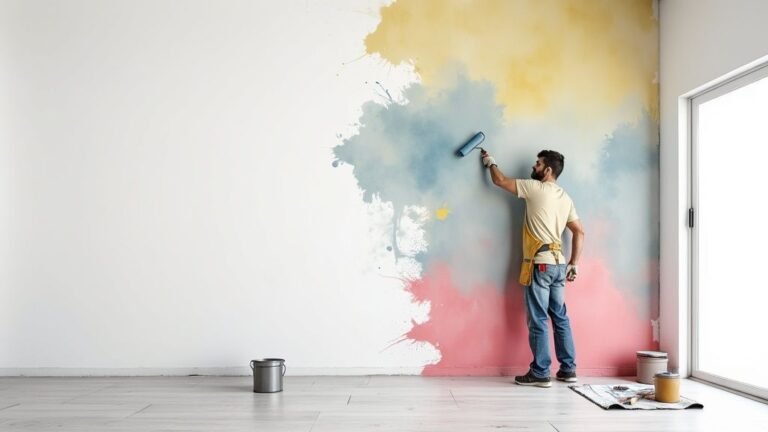
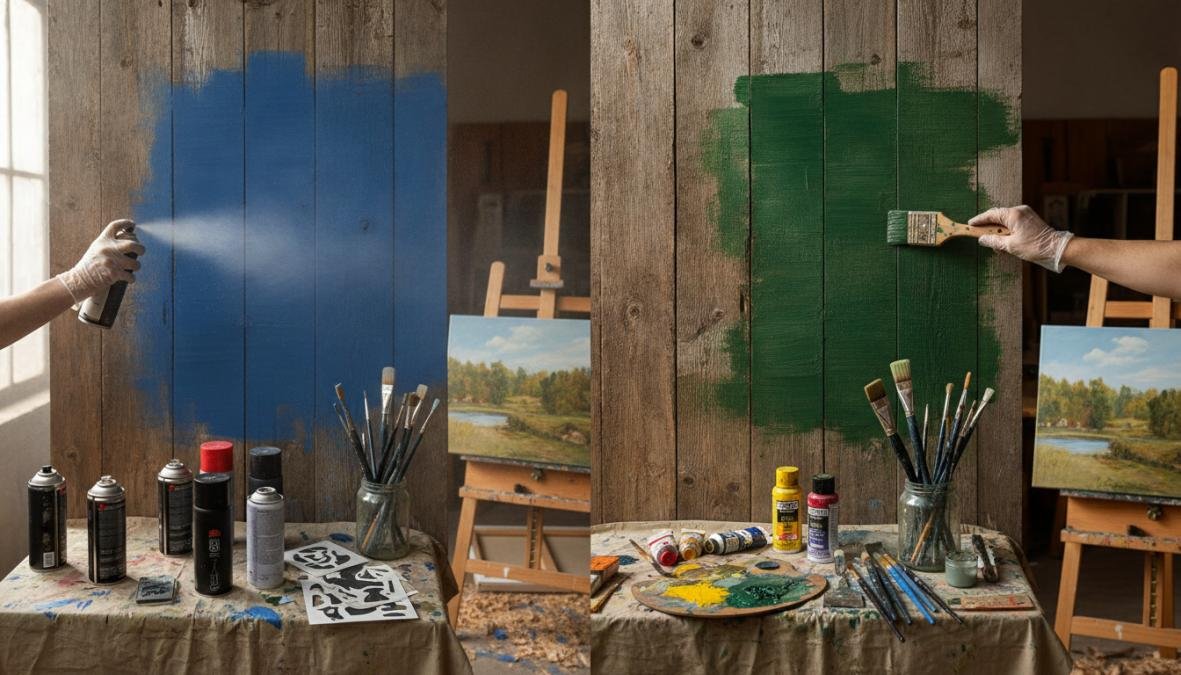
Spray painting uses pressurized equipment to atomize paint into a fine mist, while brush painting applies paint directly through manual bristle contact. Brush painting offers precision and control, making it the gold standard for detailed work and trim. Spray painting prioritizes speed and uniformity, creating smooth, professional finishes without visible brush strokes.
The choice influences prep work, cleanup, material costs, and project duration. A bedroom accent wall demands different thinking than a full exterior job.
Speed and Efficiency: Which Method Covers Faster?
Spray painting wins decisively on speed, cutting project duration roughly in half on large surfaces compared to brush and roller methods. However, spray painting demands extensive masking to protect trim, fixtures, and windows from overspray, which partially offsets the speed advantage.
For projects under 500 square feet, brushes often prove more efficient when factoring in setup time. For anything larger, spray painting typically saves significant hours. According to industry standards for residential painting in Ontario, spray methods reduce active painting time by 40-60% on large surfaces.
For projects under 500 square feet, brushes often prove more efficient when you factor in setup time. For anything larger, spray painting typically saves significant hours.
Pros and Cons of Paint Sprayers for Interior and Exterior Work
Paint sprayers deliver professional uniformity on broad surfaces like exterior siding, fence panels, and interior walls, eliminating visible brush strokes. HVLP sprayers reduce overspray for indoor work, while airless sprayers like the Graco Magnum X5 handle thicker paints for exteriors.
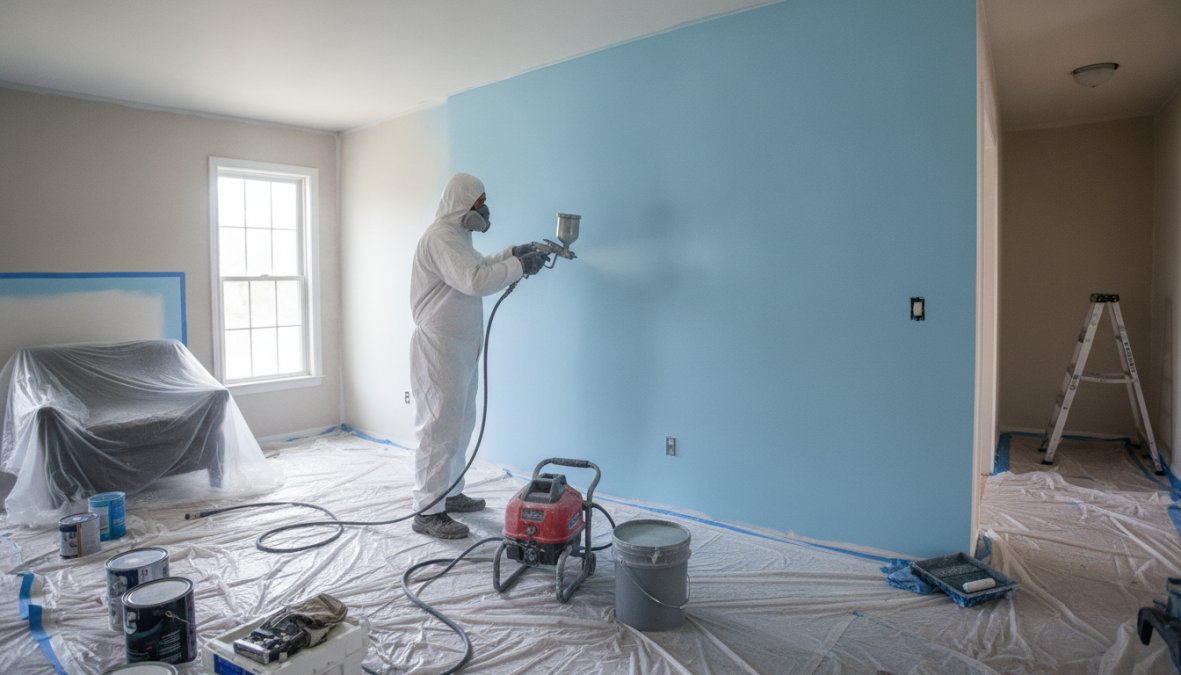
Drawbacks include overspray concerns, longer cleanup requiring thorough equipment flushing, and a steeper learning curve. Improper technique creates runs, sags, and uneven coverage.
Pros of spray painting:
- 40-60% faster coverage on large surfaces
- Smooth, uniform finish without brush marks
- Professional appearance on walls and exteriors
Cons of spray painting:
- Extensive masking and prep work required
- Overspray risk in enclosed spaces
- Complex equipment cleanup
- Steeper learning curve
- Not ideal for detailed trim or furniture
Best Paint Application Method for Furniture and Detailed Work
Brush painting dominates when precision matters. Furniture, trim work, doors, and window frames require the control that brushes provide. You can cut-in sharp, clean lines along trim without masking and paint around hardware with accuracy that spray equipment cannot match.
For furniture and stained surfaces, brushes offer superior control over paint viscosity and application technique. Spray application on furniture often produces runs and drips on vertical surfaces. While brush painting takes longer, the precision and reduced cleanup justify the extra hours for smaller projects.
Attempting spray painting on furniture or detailed trim without proper masking often results in wasted paint, uneven coverage, and runs that require sanding and repainting.
Paint Consumption and Waste: Which Method Uses Less Material?
Spray painting consumes more paint overall due to overspray, wasting 15-30% of applied material. Brush painting uses paint more efficiently, with nearly every drop reaching the intended surface.
However, spray painting’s speed advantage can offset higher material consumption on large projects. For detailed work and furniture, brush painting’s material efficiency is substantial, as spray equipment would waste considerable paint on masking and overspray.
| Application Method | Material Waste | Best For |
|---|---|---|
| Brush Painting | 5-10% | Trim, furniture, detailed work |
| HVLP Spray | 15-20% | Indoor walls, cabinets |
| Airless Spray | 20-30% | Exterior surfaces, large areas |
Preparation and Masking Requirements: Time Investment Differs Significantly
Brush painting demands minimal masking, typically taking 1-2 hours for a standard bedroom. Spray painting requires comprehensive masking of every window, fixture, door, and trim element, consuming 3-4 hours or more.
Surface preparation remains consistent for both methods. Cleanup also differs: brush painting requires 20-30 minutes, while spray equipment demands 45 minutes to over an hour for thorough flushing.
Making Your Choice: When to Spray vs. When to Brush
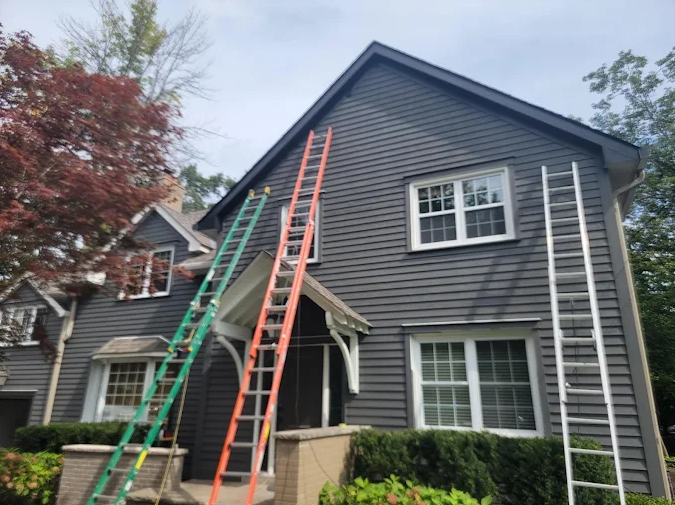
Choose spray painting for large, open surfaces, exterior walls, full interior rooms, decks, or fences. Choose brush painting for trim, doors, furniture, accent walls, or projects where precision matters. Many professional painters combine both methods on single projects, using spray for large wall surfaces and brushes for trim and detailed work.
Consider your skill level too. Brush painting forgives beginner mistakes more readily than spray equipment.
The best painting method matches your project scope, surface type, and desired finish quality. Large exterior surfaces favor spray painting; detailed interior work favors brushes. Professional painters often use both methods on the same project for optimal results.
Choosing between spray painting and brush painting depends on your project’s specific needs. Large-scale exterior work and expansive interior surfaces benefit from spray application’s speed and uniform finish. Detailed trim work, furniture, and projects requiring precision demand brush painting’s control and accuracy.
If you’re planning a painting project in Toronto, Vaughan, North York, or King City, Soca Services Painting brings over a decade of experience choosing the right application method for every situation. Contact Soca Services Painting for a free estimate and let our experts recommend the best approach for your home or commercial project.
Frequently Asked Questions
What is the main difference between spray painting and brush painting?
Spray painting uses atomization to apply paint as a fine mist, covering large areas quickly with uniform finish, while brush painting applies paint with bristles, offering precision control and better results on trim and detailed work. Spray painting typically covers faster but requires more masking and prep work. Brush painting gives you better control for cutting-in and detailed surfaces but takes longer on flat, large areas.
Does spray painting use more paint than brush painting?
Yes, spray painting typically uses more paint due to overspray and paint waste. Airless sprayers and HVLP units lose paint during atomization, especially on outdoor projects or windy conditions. Brush painting has higher transfer efficiency, meaning more paint reaches the surface. However, professional techniques like back-rolling and proper spray tip selection can minimize waste. For large projects, the speed advantage often justifies the additional paint consumption.
Is spray painting easier for beginners than brush painting?
Spray painting has a steeper learning curve despite seeming easier. Beginners must master masking, understanding spray tips, controlling atomization, and managing overspray. Brush painting is more intuitive, basic technique is simpler to learn. However, spray painting rewards practice with faster coverage. For beginners tackling large interior walls, brush and roller combinations offer quicker success. For furniture and trim, brush painting with quality brushes like Purdy or Wooster models is more forgiving and produces better results with less prep work.
What is the best paint application method for furniture and detailed surfaces?
Brush painting is superior for furniture and detailed work. Quality brushes with hand-chiseled tips excel at cutting-in sharp lines, navigating corners, and creating smooth finishes on intricate surfaces. Water-based paints work well with synthetic brushes, while solvent-based finishes benefit from natural bristles. Spray painting on furniture risks uneven coverage, requires extensive masking, and creates overspray on surrounding items. For achieving a professional finish on detailed work, brush application provides better control, less waste, and superior precision, especially important in Toronto homes with custom trim and millwork.
This article was written using GrandRanker