Planning an interior painting project in Toronto? You’re likely wondering what you’ll actually pay—not vague ranges, but real numbers you can use to budget. At Soca Services Painting, we believe in transparent pricing. Here’s what Toronto homeowners are paying in 2026, broken down by room type, square footage, and the factors that move your quote up or down.
What Drives Interior Painting Cost?
Labour is the biggest cost driver—it accounts for 70% to 85% of your total project cost. Paint and materials make up the remaining 10% to 20%, with the rest covering logistics and supplies. This means the complexity of your project matters far more than the paint brand you choose.
Here are the main factors that push quotes higher or lower:
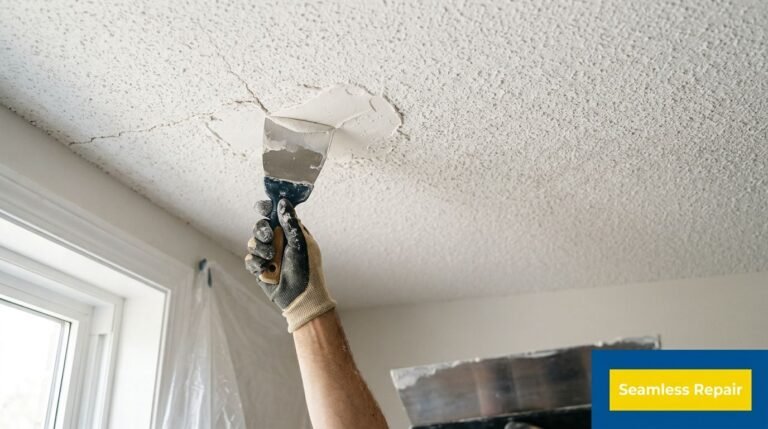
Prep work requirements: Prep accounts for 50% to 70% of a professional painter’s time. Walls with extensive damage—large holes, water stains, peeling paint, or textured plaster—require hours of patching, sanding, and priming before any paint goes on. A freshly drywalled room in a new Mississauga build costs far less to paint than a 1920s plaster room in Cabbagetown.
Ceiling height: Standard 8-foot ceilings are straightforward. The 9–10 foot ceilings common in Toronto’s older homes and newer luxury condos require taller ladders, more paint, and more time. Anything above 10 feet typically requires scaffolding, which adds $200–$500 to the job.
Trim and detail work: Painting trim, baseboards, crown moulding, and doors is time-intensive. Expect to pay $2–$4 per linear foot for baseboards and trim, with crown moulding adding $1–$3 per linear foot. Kitchens involve more cutting around cabinets, fixtures, and backsplashes, which increases labour time.
Paint quality: Premium paints like Benjamin Moore Aura run $85–$95 per gallon in 2026, while standard latex options cost $25–$60 per gallon. Higher-quality paints cover better in fewer coats, which can offset the higher material cost with reduced labour time.
Age of home: Older Toronto homes (pre-1960) with plaster walls and heritage trim run 15–30% more than modern builds of the same size due to the additional prep and care required.
Interior Painting Cost by Room (Toronto, 2026)
Here’s what Toronto homeowners are paying per room in 2026. These prices include labour, premium paint (two coats), walls, ceiling, and basic trim. HST is additional.
| Room Type | Typical Size | Price Range (CAD) | Notes |
|---|---|---|---|
| Standard Bedroom | 10×12 to 12×14 ft | $300–$800 | Children’s rooms on lower end; master bedrooms higher |
| Master Bedroom | 14×16 ft or larger | $650–$1,200 | Vaulted ceilings add 30–50% |
| Living Room | Varies widely | $500–$1,500 | Open concept spaces at higher end |
| Dining Room | 10×12 to 12×14 ft | $500–$900 | Combined with living room saves 10–15% |
| Kitchen | Varies | $400–$1,400 | More cutting around cabinets/fixtures |
| Bathroom | Small to medium | $250–$800 | Moisture-resistant paint adds cost |
| Hallway | Linear footage varies | $200–$500 | Often bundled with adjacent rooms |
| Accent Wall | Single wall | $200–$400 | Additional to room pricing |
For whole-house projects, a full bungalow interior (3 bedrooms, 2 bathrooms, main floor, hallways) runs $4,500–$9,000. A standard 2-storey detached home costs $5,000–$8,000 for a complete interior. Open concept main floors in neighbourhoods like Leslieville, the Annex, and North York average $1,200–$2,000 for walls and trim.
Cost Per Square Foot: How Painters Calculate Quotes
In the GTA, interior painting runs $2.00–$3.00 per square foot for walls-only on whole-house projects. Add ceilings, trim, and doors, and you’re looking at $3.00–$4.70 per square foot. Single rooms cost significantly more per square foot—typically $4.00–$6.00—because setup takes nearly as long as the painting itself.
One important clarification: professional painters quote based on floor area for simplicity, but they calculate internally using wall area. Wall area is typically 3 to 4 times your floor square footage. A 1,000 square foot condo has roughly 3,000 to 4,000 square feet of paintable wall surface. When comparing quotes, always confirm whether the painter is referencing floor area or wall area.
Why such a big jump for single rooms? Setup costs are fixed regardless of scope. Loading the van, driving to your location, laying drop cloths, taping edges, mixing paint, cleaning up—those fixed costs eat 1.5 to 2 hours regardless of whether you’re painting one room or five. On a whole-house job, that overhead disappears into the total. On a single room, it dominates the price.
For a deeper breakdown of how square footage pricing works across different project types, check out our guide to painting cost per square foot in Canada.
What’s Included in a Professional Painting Quote
A professional quote should clearly specify what’s included. At minimum, confirm these items before signing:
Prep work: This includes patching small holes, sanding, cleaning surfaces, and taping. Standard prep is usually included; extensive repairs (large drywall patches, wallpaper removal, skim coating) are typically extra.
Number of coats: Most professional quotes include two coats for proper coverage. Significant colour changes (dark to light or vice versa) may require primer and/or additional coats—confirm this is addressed in the quote.
Paint brand and grade: Premium paints like Benjamin Moore Regal Select or Sherwin-Williams Duration should be specified. Ask about the product line, not just the brand.
Surfaces covered: Does the quote include walls only, or also ceilings, trim, doors, and closets? A walls-only quote will look much cheaper than an all-inclusive one.
Protection and cleanup: Floor covering, furniture protection, and post-job cleanup should be included. Standard setup time runs about 1 hour per room.
Insurance and WSIB: Any contractor working in your Toronto home should carry commercial general liability insurance and Workplace Safety and Insurance Board (WSIB) coverage. Ask for proof before signing any contract.
DIY vs. Hiring a Pro: The Real Cost Comparison
DIY interior painting costs $200–$600 per room in materials—paint, primer, rollers, brushes, tape, drop cloths, and supplies. For a whole house, expect $800–$1,800 in materials if you do all the work yourself. Professional painting runs $300–$800 per room or $3,000–$9,000+ for a full home, depending on size and scope.
The numbers look like significant savings, but consider the trade-offs:
Time investment: What takes a professional crew 2–4 days takes a homeowner 3–6 weekends. A 2-person professional crew typically completes a 1,500 sq ft home interior in 3–5 days. A single bedroom takes pros about a day; DIY runs 8–14 hours including drying time between coats.
Quality difference: Professionals get cleaner lines, more even coverage, and know how to handle problem areas. A poorly executed DIY job may need repainting sooner, wiping out the savings.
When DIY makes sense: Single room with good-condition walls, you have some experience, and budget is the primary concern.
When to hire a pro: Whole-house projects, high ceilings, older homes with plaster or potential lead paint (pre-1978), pre-sale prep where finish quality affects perceived home value, and any room where the surface condition is less than ideal.
For homeowners earning $60+ per hour, professional painting frequently costs less than the opportunity cost of DIY work, while delivering superior results.
How to Get Accurate Estimates for Your Project
Follow these steps to ensure you’re comparing apples to apples when gathering quotes:
Get at least three quotes from different companies, not just different painters from the same crew. Look for established businesses with Google reviews and verifiable references.
Insist on in-person estimates. A painter who quotes over the phone without seeing the space is guessing. Every wall condition is different, especially in Toronto’s diverse housing stock—from century homes in High Park to new builds in North York.
Ask what’s included. Specifically confirm prep work, number of coats, paint brand and grade, trim painting, ceiling painting, and cleanup. Get it in writing.
Verify insurance and WSIB. Request certificates before work begins.
Consider timing. Booking off-season (October–March) or bundling rooms into a whole-house project can save 15–25% on your total. January through March is actually peak season for interior painting in Toronto since it’s too cold for exterior work, so book 2–4 weeks ahead during winter months.
Be skeptical of low bids. The lowest quote often means cheap materials, unskilled labour, or corners being cut on prep. Remember: prep work determines 50–70% of the final quality and how long your paint job holds up.
Frequently Asked Questions About Interior Painting Costs
Request a Free Quote for Your Toronto Home
Ready to get an accurate estimate for your interior painting project? At Soca Services Painting, we provide detailed, in-person quotes that break down exactly what’s included—no surprises. With over 10 years serving homeowners across Toronto and the GTA, we know the unique challenges of local homes, from century-old plaster in the Annex to modern condos downtown.
Contact Soca Services Painting today for a free in-home estimate. We’ll walk through your space, discuss your goals, and provide a written quote you can count on. Call us or fill out our online form to get started.