Table of Contents
- Pros and Cons of Painting Brick
- Brick Staining vs. Painting: Pros and Cons
- Best Exterior Paint for Brick and Masonry
- Risks of Painting Exterior Brick
Last Updated: August 8, 2026
Pros and Cons of Painting Brick
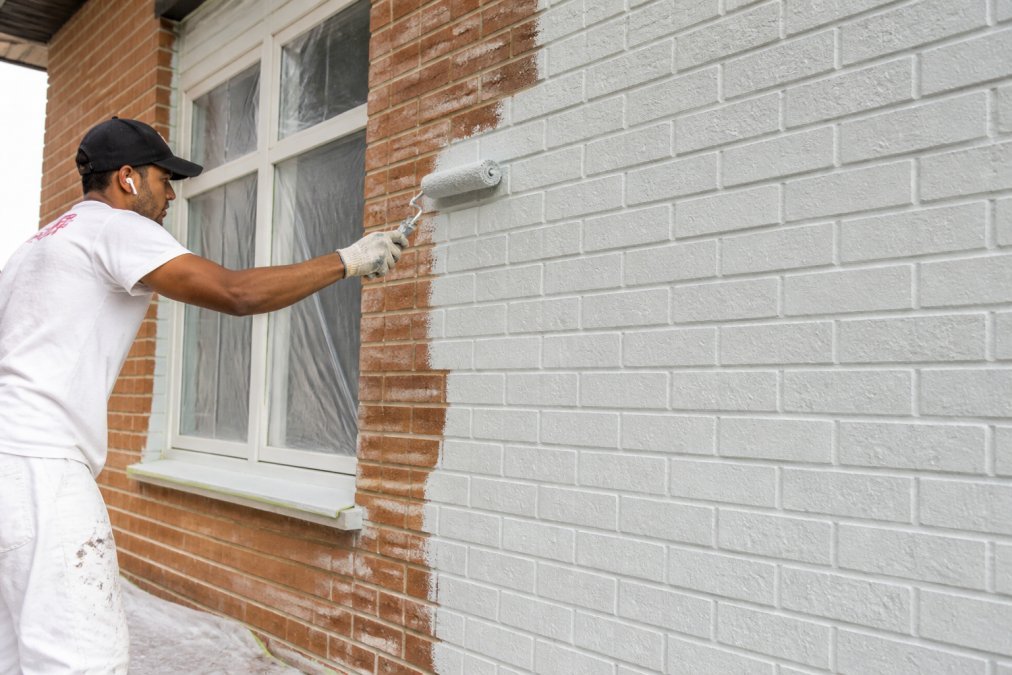
Painting brick homes worth the cost depends on your priorities: long-term maintenance, climate conditions, and whether you’re refreshing curb appeal or protecting the masonry itself.
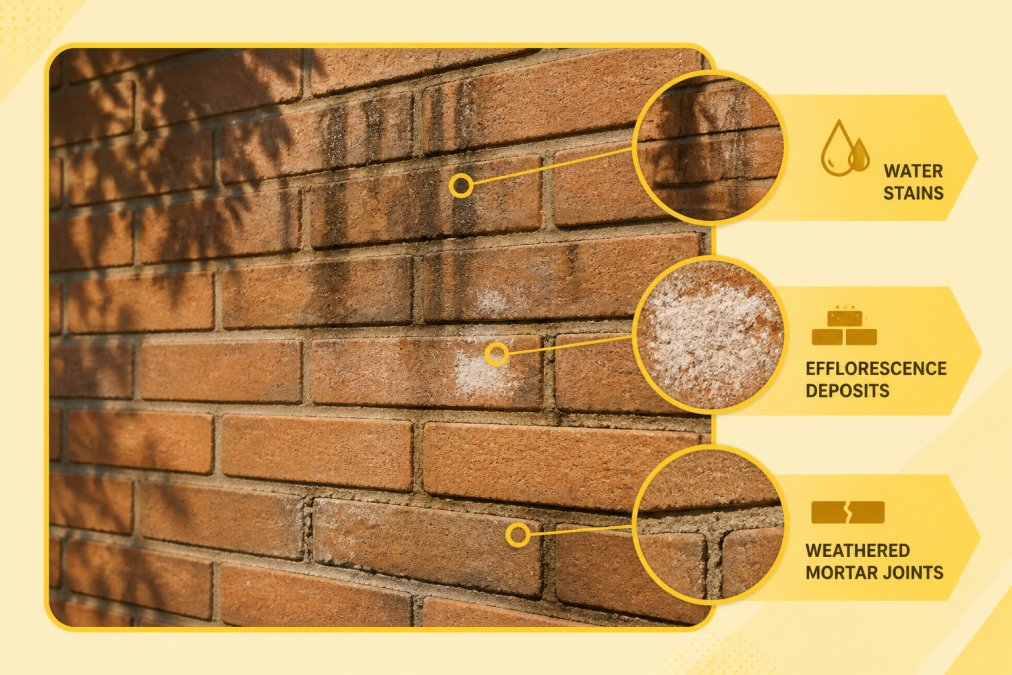
Brick is naturally durable, but painting introduces both benefits and trade-offs. The main advantage is aesthetic control, you can transform dated red brick into modern neutrals or match your architectural style. Paint also provides a protective barrier against weathering, moisture penetration, and UV damage, particularly valuable in Ontario’s freeze-thaw cycles where unprotected brick can suffer spalling and efflorescence.
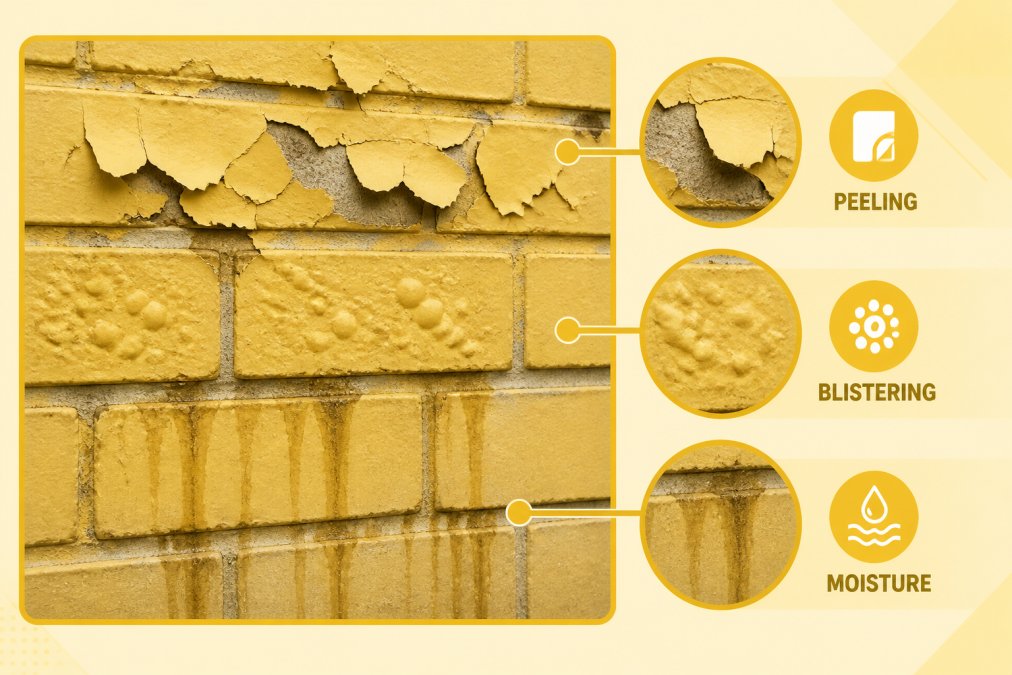
The downside is permanence. Once painted, brick requires ongoing maintenance. Paint can blister, peel, or fail if moisture becomes trapped behind the coating, damaging the brick’s breathability. Painted brick requires repainting every 15-20 years, depending on exposure and climate. Removing paint from brick is expensive and difficult.
Key Pros:
- Transforms curb appeal and modernizes dated exteriors
- Provides UV protection and moisture resistance
- Allows complete color customization
- Hides stains, efflorescence, or uneven brick coloring
Key Cons:
- Requires ongoing maintenance and repainting every 15-20 years
- Can trap moisture if the wrong paint type is used
- Difficult and costly to remove if you change your mind
- Peeling and blistering are common if surface prep is poor
In Toronto’s climate, elastomeric or [masonry-specific paints](/tag/masonry-paint/) perform better than standard exterior paints. These flexible coatings expand and contract with temperature swings, reducing peeling and cracking.
Brick Staining vs. Painting: Pros and Cons
The choice between staining and painting brick is fundamentally different. Staining penetrates the brick rather than sitting on top of it, while painting creates a full coating that completely covers the surface.
Staining brick preserves natural texture and appearance while adding color. Water-based or solvent-based stains soak into porous masonry, creating a more natural look than paint. Because stains don’t form a surface film, they don’t peel or blister and allow the brick to breathe more freely.
The trade-off: stains offer less color coverage and fade over time, typically lasting 5-10 years before needing reapplication.
Painting brick provides complete color transformation and superior protection. Paint creates a full barrier against moisture, UV rays, and weathering, covers imperfections completely, and offers more color options. But paint is more visible when it fails, and the maintenance cycle is longer and more demanding.
Staining Pros:
- Preserves natural brick texture and appearance
- Allows brick to breathe, reducing moisture issues
- Won’t peel or blister like paint
- More authentic, Old World aesthetic
Staining Cons:
- Less coverage for heavily discolored brick
- Fades faster than paint (5-10 years vs. 15-20)
- Limited color palette compared to paint
- Not ideal for complete color transformation
Painting Pros:
- Complete color control and coverage
- Superior moisture and UV protection
- Longer-lasting than stains (15-20 years)
- Hides all surface imperfections
Painting Cons:
- Can trap moisture if wrong paint type is used
- Peels and blisters more visibly than stains
- Difficult and expensive to remove
- Requires more frequent maintenance
For heritage properties in the Greater Toronto Area, staining often makes more sense. For modern homes or those needing dramatic aesthetic change, painting delivers better results.
Best Exterior Paint for Brick and Masonry
Choosing the right paint is critical. Not all exterior paints work equally well on brick. Standard latex or acrylic paints often fail on masonry because they don’t account for brick’s porosity and moisture movement.
Benjamin Moore Aura Exterior Paint is engineered specifically for durability in Canadian climates. Its Colour Lock technology resists UV fading, and the high-build formula provides excellent coverage. For Toronto’s variable weather, Aura handles thermal expansion and contraction better than generic exterior paints.
BEHR Masonry, Stucco & Brick Paint is a flexible, elastomeric coating designed to expand and contract with brick movement. This flexibility prevents cracking and peeling. It’s alkali-resistant, which matters because brick naturally contains alkali compounds that can break down paint adhesion.
Sherwin-Williams Loxon XP Waterproofing Masonry Coating is purpose-built for masonry protection. It’s a high-build coating that often eliminates the need for a separate primer and resists wind-driven rain and efflorescence. For brick showing moisture issues, this is the stronger choice.
Romabio Classico Limewash is a mineral-based, breathable finish that calcifies into the brick surface. Limewash creates an authentic aesthetic while allowing complete moisture vapor transmission. It won’t trap moisture or peel, making it ideal for heritage properties.
| Paint Type | Best For | Key Advantage | Maintenance Cycle |
|---|---|---|---|
| Benjamin Moore Aura | Modern homes, color retention | Superior fade resistance | 15-20 years |
| BEHR Masonry | Flexible protection, crack bridging | Elastomeric formula, alkali-resistant | 15-20 years |
| Sherwin-Williams Loxon XP | Moisture issues, waterproofing | High-build, efflorescence resistant | 15-20 years |
| Romabio Limewash | Heritage properties, breathability | Mineral-based, no peeling | 5-10 years |
Professional application matters more than paint choice. Surface preparation, pressure washing, repairing mortar, and priming determine whether your paint investment lasts or fails within a few years. Soca Services Painting uses Benjamin Moore products for their proven durability in Ontario’s climate, ensuring your exterior finish resists peeling and maintains color integrity.
The best paint for brick in Toronto is one matched to your brick’s condition and climate priorities. If moisture is a concern, choose an elastomeric or waterproofing masonry paint. If you’re after pure aesthetics and color retention, Benjamin Moore Aura delivers superior results.
Risks of Painting Exterior Brick
Painting brick carries real risks if done incorrectly. Understanding these dangers helps you make an informed decision and avoid costly mistakes.
Get Your Free Estimate Today! →
Moisture trapping is the primary risk. Brick is porous and naturally wicks moisture from the ground and air. When you apply an impermeable paint, that moisture gets trapped behind the coating. Over time, trapped water causes the paint to blister and peel. In freeze-thaw climates like Ontario, this damage accelerates because water expands when it freezes.
Paint failure and peeling happen when the wrong paint is used or surface prep is inadequate. Standard acrylic latex paints often fail on brick because they don’t flex with the masonry’s natural movement. Within 3-5 years, you’ll see blistering and peeling that requires expensive repainting.
Structural damage can occur if moisture problems go unaddressed. Trapped water weakens mortar joints and can eventually damage the brick structure itself. Once damage starts, it’s difficult to reverse.
Reduced breathability is a trade-off with any paint. Brick naturally allows moisture vapor to move through it. Paint reduces this vapor transmission. For older homes with compromised mortar or existing moisture issues, this can make problems worse.
Irreversibility is another consideration. Once you paint brick, removing that paint is extremely difficult. Many homeowners who want to return to unpainted brick find the cost prohibitive.
These risks are manageable with proper execution. Using the right masonry paint, thorough surface preparation, professional application, and ongoing maintenance prevents most problems.
How to Maintain Painted Brick
Once you’ve painted brick, maintenance is non-negotiable. Neglecting upkeep accelerates paint failure and can lead to structural damage.
Annual inspection is your first line of defense. Walk around your home each spring and look for early signs of trouble: small cracks in the paint, areas where paint is starting to peel, or water stains on the brick. Catching these early prevents small problems from becoming expensive repairs.
Cleaning keeps painted brick in good condition. Dirt, algae, and mildew accumulate on exterior surfaces, trapping moisture and promoting paint failure. Clean your painted brick every 2-3 years with a soft-bristle brush and mild detergent. Avoid high-pressure washing, which can damage the paint and mortar joints.
Repainting frequency depends on your climate and paint quality. In Toronto’s variable weather, expect to repaint every 15-20 years.
Caulking and sealing help prevent water infiltration. Check caulk around windows, doors, and any cracks in the mortar. For larger mortar issues, hire a mason to repoint.
Spot repairs extend the life of your painted brick. If you catch peeling paint early, sand the area lightly and touch it up with matching paint.
Gutter maintenance protects painted brick indirectly. Clogged gutters allow water to run down the exterior wall. Keep gutters clean and ensure downspouts direct water away from the foundation.
Professional inspection every 5-7 years catches problems you might miss.
Ignoring water stains or peeling paint on brick leads to trapped moisture, spalling, and structural damage. What costs a few hundred dollars to fix now can become a thousand-dollar repair if left unaddressed for years.
Painting brick homes worth the cost ultimately depends on your goals and commitment to maintenance. If you’re seeking a dramatic aesthetic transformation and you’re prepared for a 15-20 year maintenance cycle, painting delivers results. If you’re concerned about preserving the brick’s natural character and breathability, staining offers a gentler alternative.
The key is choosing the right paint, Benjamin Moore or BEHR masonry formulations work best in Ontario’s climate, and ensuring professional application with proper surface preparation. Contact Soca Services Painting for a free estimate and detailed proposal. With over a decade of experience in Toronto, we understand how to protect brick in Canada’s variable weather while delivering the professional finish that increases curb appeal and home value. Get your free estimate today and make an informed decision backed by expert guidance.
Frequently Asked Questions
Is it wise to paint a brick house?
Painting brick can enhance curb appeal and provide weather protection, but it's a significant decision with long-term consequences. The answer depends on your climate, brick condition, maintenance commitment, and resale plans. In Ontario's freeze-thaw climate, painted brick requires careful application and ongoing maintenance. If your brick is in good condition and you plan to stay long-term, professional painting by Soca Services can deliver lasting results. Get a free estimate to assess whether painting is right for your specific situation.
What are the main downsides of painting brick?
The primary risks include moisture trapping, which can cause spalling and efflorescence, paint peeling due to improper surface preparation, and the need for regular repainting every 5-10 years. Painted brick loses its natural breathability, and reversibility becomes difficult once sealed. In Canada's harsh winters, paint failure accelerates when water penetrates beneath the coating. Additionally, painting brick is permanent, removing it later requires costly, invasive methods that can damage the masonry.
How long will painted brick last before needing maintenance?
Quality exterior paint on properly prepared brick typically lasts 5-10 years in Ontario's climate before touch-ups or recoating are needed. Factors affecting longevity include paint type (acrylic latex, elastomeric, or limewash), surface preparation quality, sun exposure, and moisture levels. Premium products like Benjamin Moore Aura or BEHR Masonry Paint offer better durability. Professional application by Soca Services ensures proper prep and product selection, maximizing paint life and reducing maintenance frequency.
What's the difference between brick staining and painting?
Staining penetrates the brick surface and is semi-transparent, preserving the natural texture and allowing breathability. Painting creates an opaque coating that hides the brick texture but provides more uniform color and stronger weather protection. Stains are more reversible and require less frequent repainting, but offer less coverage for damaged or discolored brick. Painting suits homeowners wanting a bold color change and maximum weather resistance, while staining works better for those wanting to maintain brick's natural character. Soca Services offers both options tailored to your goals.
Does painting brick affect resale value in Ontario?
Painted brick can increase or decrease resale value depending on execution and buyer preferences. High-quality, professionally applied paint enhances curb appeal and suggests good maintenance, potentially boosting value. However, poor paint quality, visible peeling, or colors that clash with the neighborhood may deter buyers. In Ontario's heritage neighborhoods, original brick is often preferred. Buyers may also worry about hidden moisture damage under paint. The safest approach is neutral, professional-grade finishes applied by experienced contractors like Soca Services, combined with transparent disclosure of any underlying brick issues.
This article was written using GrandRanker