As a landlord or property manager in the competitive Toronto rental market, you know that a well-maintained property is key to attracting and retaining high-quality tenants. Regular inspections are your first line of defence against costly repairs and vacancies. But a truly thorough inspection goes beyond checking for leaky faucets and working smoke detectors; it delves into the very finish and feel of the property, which directly impacts its perceived value and durability. This is where the condition of the paint and surfaces plays a crucial role.
A fresh, professionally maintained property not only looks better but is also better protected against the elements and daily wear and tear. Small issues like chipped paint on a window frame or scuffs in high-traffic hallways can escalate into larger problems, such as wood rot or tenant dissatisfaction. This ultimate rental property inspection checklist focuses on these critical, often-overlooked details related to paint and surfaces. We’ll guide you through a comprehensive 10-point inspection, providing practical advice to keep your Vaughan, North York, or King City property in top condition.
While our guide hones in on paint and finishes, a complete inspection covers much more, from plumbing to electrical systems. To ensure you cover all critical areas and stages of the property’s lifecycle, refer to an ultimate checklist for rental property inspections for a broader overview. This specialised list, however, will empower you to identify and address surface-level issues before they compromise your investment. Let’s get started on protecting your asset, one wall at a time.
1. Interior Wall and Ceiling Paint Condition
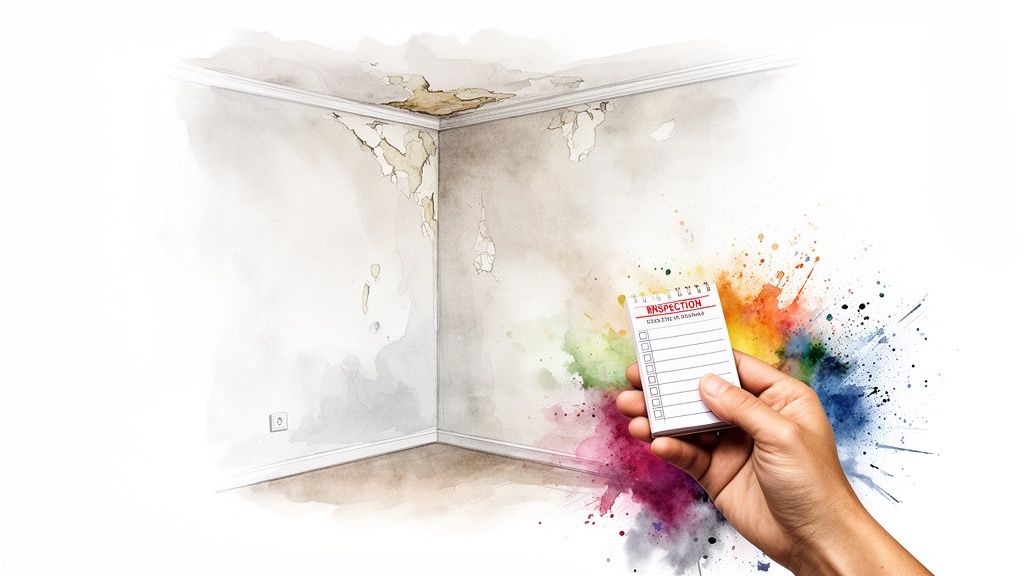
The condition of your rental property’s interior paint is more than just cosmetic; it sets the first impression for prospective tenants and is a key indicator of the unit’s overall upkeep. A thorough inspection of walls, ceilings, trim, and doors for issues like peeling, cracks, stains, or significant scuffs is a non-negotiable part of any comprehensive rental property inspection checklist. A fresh, clean coat of paint signifies a well-maintained property, directly impacting tenant satisfaction and your ability to command premium rent.
Why It’s Crucial
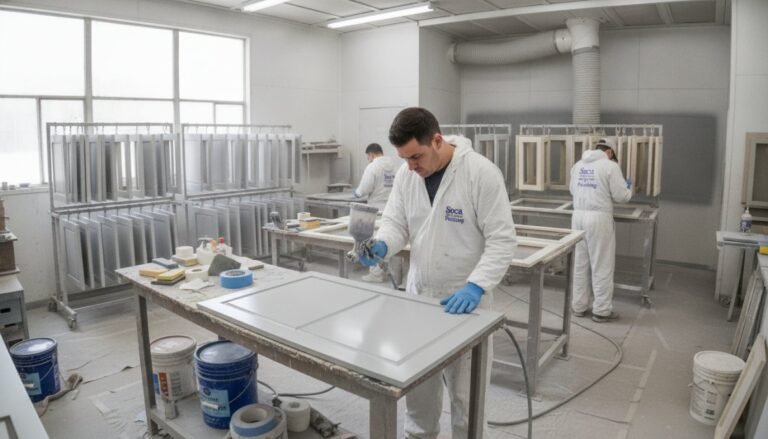
Neglecting paint issues can lead to tenant complaints and devalue your investment. Water stains, for example, may point to hidden leaks, while significant peeling could violate health standards. Property managers across Toronto recognize this, often engaging professionals like Soca Services for pre-occupancy painting to guarantee a move-in ready, appealing space. This proactive approach helps attract high-quality tenants and minimizes vacancy periods.
Actionable Inspection Tips
To effectively assess paint condition, follow these steps:
- Document Everything: Before a tenant moves in, take high-resolution photos and videos of all painted surfaces. This documentation is invaluable for distinguishing between normal wear and tear and tenant-caused damage upon move-out.
- Look for Underlying Issues: Pay close attention to bubbling or discoloured spots, especially on ceilings or under windows. These are often the first signs of moisture intrusion that require more than just a paint touch-up.
- Use High-Quality Materials: When repainting is necessary, opt for durable, washable paints from reputable brands like Sherwin-Williams or Benjamin Moore. Using a high-quality, washable finish in a neutral colour (like light grey or beige) simplifies maintenance for both you and your tenant.
- Know When to Call Professionals: While minor scuffs can be a DIY fix, extensive issues like widespread peeling require expert attention. For an in-depth guide on addressing this common problem, explore our resource on how to fix peeling paint.
2. Exterior Paint and Siding Integrity
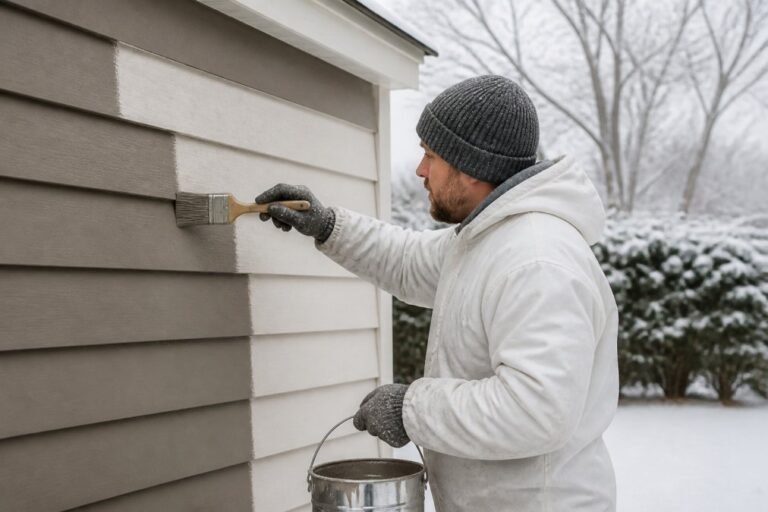
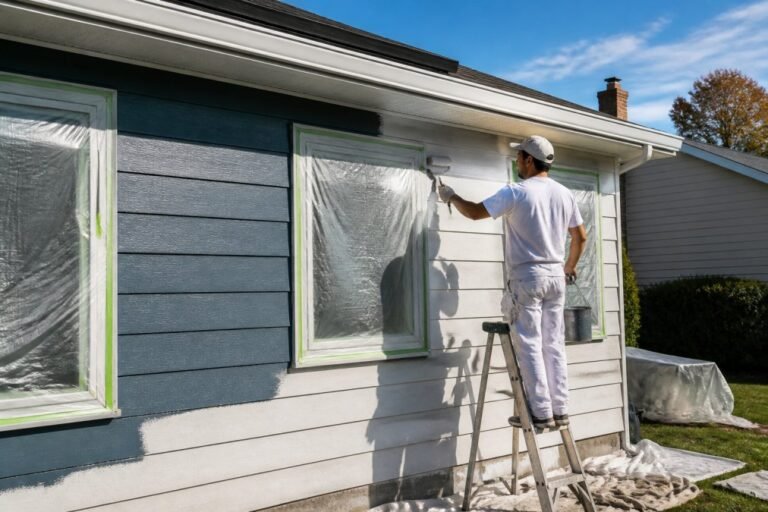
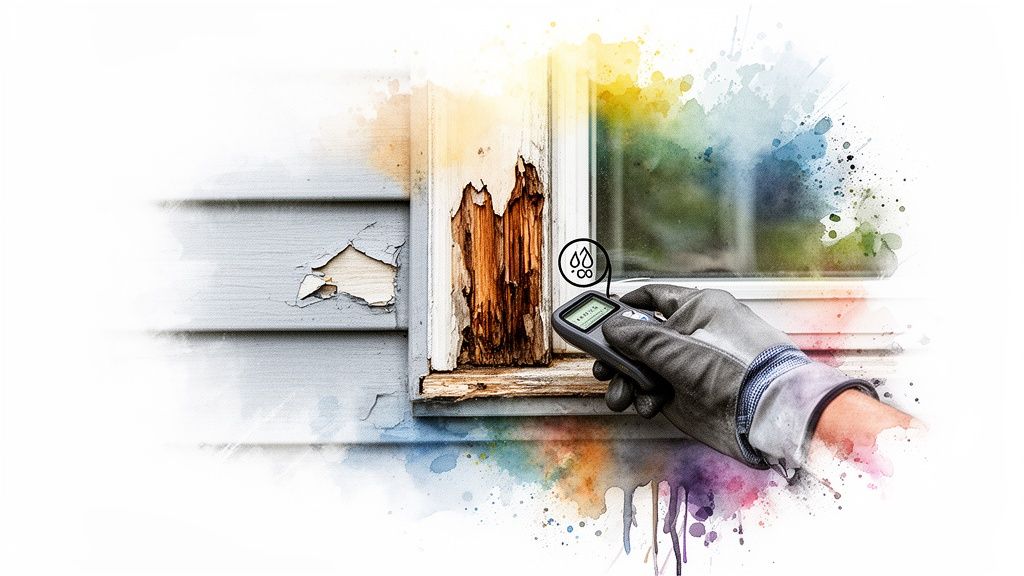
The integrity of your rental property’s exterior paint and siding is a critical line of defence against the elements, safeguarding your investment’s structural health. A meticulous assessment of siding, fascia, soffits, trim, and doors for signs of peeling, chalking, rot, or moisture intrusion is an essential component of any rental property inspection checklist. A well-maintained exterior not only boosts curb appeal but also prevents minor issues from escalating into expensive, structural failures, particularly in Toronto where freeze-thaw cycles present a constant challenge.
Why It’s Crucial
Ignoring exterior deterioration can lead to water penetration, wood rot, pest infestations, and compromised insulation, resulting in significant repair bills and potential tenant disputes over property safety. Property managers across the Greater Toronto Area understand that preventative maintenance is key. Engaging professionals like Soca Services for exterior painting ensures the building envelope is sealed and protected, maintaining the property’s value and appeal for prospective high-quality tenants.
Actionable Inspection Tips
To thoroughly evaluate your property’s exterior paint and siding, follow these targeted steps:
- Schedule Seasonal Inspections: Conduct detailed exterior checks each spring to identify and document any damage incurred during the harsh winter months. This is the ideal time to plan for repairs before the peak summer season.
- Probe for Underlying Damage: Look beyond surface-level paint. Gently probe wood trim, window sills, and door frames with a screwdriver for soft spots, which indicate underlying rot that must be repaired before any painting can begin.
- Invest in Climate-Appropriate Materials: When repainting is necessary, insist on premium exterior-grade paints specifically formulated for the Canadian climate. Products from brands like Sherwin-Williams or Benjamin Moore offer superior durability and protection against moisture and UV damage.
- Prioritize Proper Preparation: A lasting paint job depends on preparation. Ensure surfaces are properly cleaned, often with a power wash, and that all loose paint is scraped and sanded to guarantee optimal adhesion for the new coating.
- Know When to Call Professionals: Addressing widespread exterior issues is a complex job that requires specialized equipment and expertise. For projects ranging from heritage home restorations to multi-family property maintenance, it is crucial to rely on experienced professionals. Contact Soca Services for a free estimate on your next exterior project.
3. Door and Window Frame Condition
The condition of door and window frames is a critical component of any rental property inspection checklist, directly impacting tenant security, energy efficiency, and the property’s overall aesthetic. A thorough inspection of all entry doors, interior doors, and window frames for paint quality, weatherproofing, and structural integrity is essential. Well-maintained frames, from the classic trim in a Victorian home to the clean lines in a modern North York condo, signify a secure and well-cared-for property, which is a major draw for discerning tenants.
Why It’s Crucial
Neglecting door and window frames can lead to significant problems far beyond cosmetics. Peeling paint and deteriorating caulk can allow moisture intrusion, leading to wood rot and costly structural repairs. Poorly sealed frames contribute to drafts, increasing utility bills and decreasing tenant comfort. Furthermore, a compromised door frame poses a serious security risk. Professional attention to these details ensures the property is safe, energy-efficient, and visually appealing, preserving its long-term value.
Actionable Inspection Tips
To properly assess and maintain your door and window frames, integrate these steps into your process:
- Check for Function and Security: Open and close every door and window to ensure they operate smoothly. Check that all locks, latches, and deadbolts are secure and functioning correctly.
- Inspect for Gaps and Drafts: Visually inspect the sealing around all frames. You can often feel for drafts on a windy day, which indicate poor weatherproofing that needs immediate attention.
- Assess Paint and Finish: Look for chipping, cracking, or faded paint, which compromises the wood’s protection against the elements. A durable semi-gloss or satin finish from a brand like Benjamin Moore is ideal for these high-traffic, high-exposure areas. To ensure your rental property remains in top condition, refer to expert schedules for window cleaning, which contribute significantly to the overall aesthetic and longevity of window components.
- Prepare Surfaces Properly: Before repainting, ensure optimal adhesion by sanding glossy surfaces and applying a quality primer to any raw wood. For a detailed walkthrough on achieving a professional finish, our guide explains how to paint window frames step-by-step.
4. Basement and Foundation Wall Condition
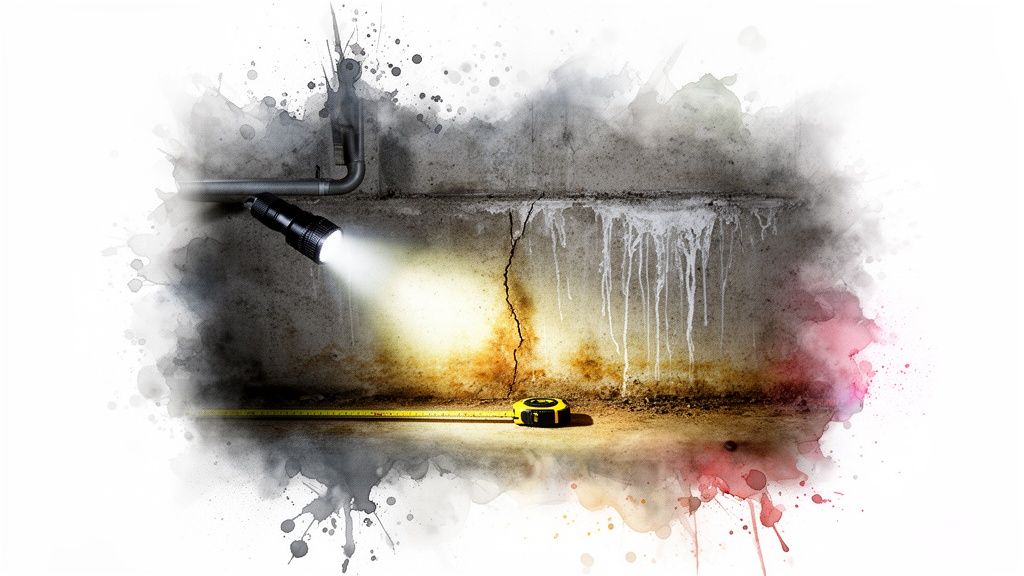
The state of a rental property’s basement and foundation is a fundamental aspect of a tenant’s safety and the building’s long-term health. A thorough check of basement walls, foundation concrete, and any existing paint or sealants is a critical part of your rental property inspection checklist. Inspecting for signs of moisture intrusion, such as efflorescence (a white, powdery residue), cracks, mould, or water stains, helps prevent major structural issues and ensures a habitable living space for your tenants.
Why It’s Crucial
Ignoring foundation and basement issues can lead to costly structural repairs and significant health risks from mould, creating legal liabilities. In areas like Toronto, where a high water table and aging housing stock are common, groundwater pressure can lead to persistent seepage, especially in older homes. Proactively addressing these concerns protects your investment and ensures the unit, particularly if it’s a finished basement apartment, remains a safe and desirable rental.
Actionable Inspection Tips
To properly evaluate your basement and foundation, integrate these professional steps into your inspection:
- Check for Moisture First: Before any cosmetic work, use a moisture meter to test concrete walls. Painting over damp surfaces will only trap moisture and cause the new paint to peel and fail quickly.
- Document and Repair Cracks: Photograph and measure all visible cracks. Hairline cracks may be cosmetic, but larger or horizontal cracks can indicate structural problems requiring a professional assessment before any painting begins.
- Prioritize Waterproofing: When preparing the space, use high-quality waterproofing primers designed for masonry. For durable protection, apply two coats of a premium paint like Benjamin Moore’s, which offers excellent resistance to moisture and mould.
- Evaluate Exterior Conditions: Ensure the ground around the foundation is properly graded away from the house and that eavestroughs and downspouts are clear and directing water away. These external factors are often the root cause of interior water problems. For expert advice on preparing and finishing these crucial spaces, review our comprehensive guide on painting a basement.
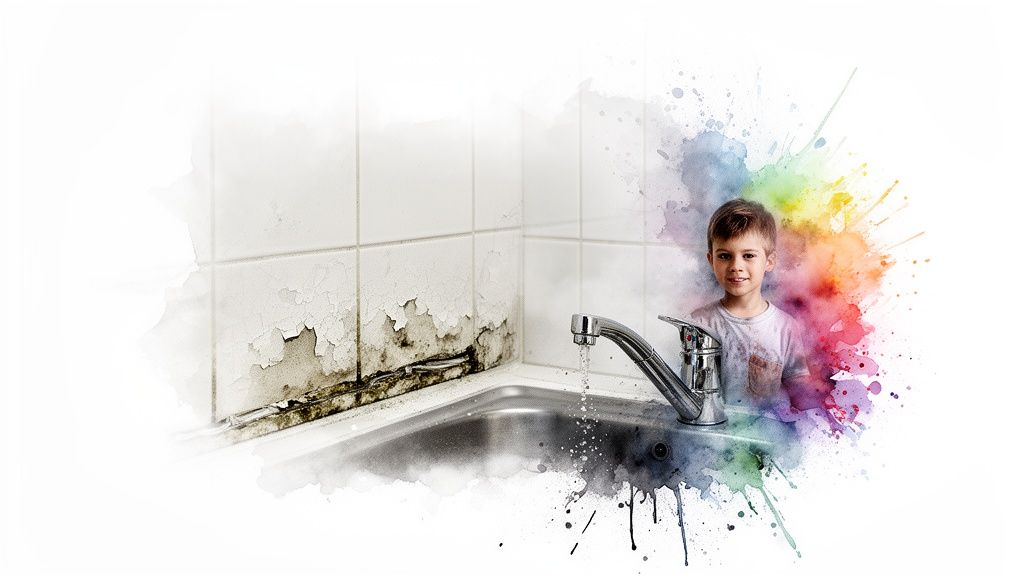
5. Kitchen and Bathroom Walls and Fixtures
Kitchens and bathrooms are high-moisture, high-traffic areas where wall and fixture conditions are paramount to tenant health and property longevity. A focused assessment of these spaces for mold, mildew, water stains, and peeling paint is an essential component of any diligent rental property inspection checklist. Ensuring these areas are properly sealed, ventilated, and finished with appropriate materials prevents costly water damage and maintains a hygienic, appealing environment for tenants.
Why It’s Crucial
Neglecting moisture-related issues in kitchens and bathrooms can lead to rapid deterioration, structural damage, and serious health concerns from mold growth. In Toronto’s condo towers and older homes alike, poor ventilation can quickly turn minor condensation into a significant problem. Proactively managing these areas by using moisture-resistant finishes and ensuring proper sealing not only protects your investment but also demonstrates a commitment to tenant well-being, reducing complaints and turnover.
Actionable Inspection Tips
To thoroughly evaluate your property’s kitchens and bathrooms, implement these targeted checks:
- Inspect All Seams: Carefully check the caulking around sinks, bathtubs, showers, and backsplashes. Cracked, peeling, or missing caulk is a primary entry point for water and must be replaced immediately to prevent hidden damage.
- Look for Water Damage Signs: Check under sinks and around toilets for any signs of leaks, stains, or soft spots in the cabinetry or flooring. Don’t forget to inspect the ceiling below second-floor bathrooms for discolouration.
- Prioritize Correct Paint Finishes: These areas demand finishes that can withstand moisture and frequent cleaning. Opt for high-quality, mold-and-mildew-resistant paints with a satin or semi-gloss sheen for maximum durability and washability. For detailed guidance, explore our resource on the best paint for bathrooms.
- Test Ventilation Systems: Ensure that exhaust fans in all bathrooms and the range hood in the kitchen are functioning correctly. Proper airflow is your first line of defence against the buildup of humidity that leads to paint failure and mold.
6. Trim, Crown Molding, and Baseboards
The quality of a property’s trim, crown molding, and baseboards is a detail that speaks volumes about the level of care invested in the unit. These architectural elements are often overlooked, but their condition significantly impacts the overall aesthetic and perceived value. A thorough check of all trim work for scuffs, chips, gaps, and paint quality is a vital component of any detailed rental property inspection checklist, ensuring the property presents a polished, high-end appearance.
Why It’s Crucial
Damaged or poorly maintained trim can make an otherwise clean space look worn and neglected, potentially deterring discerning tenants. In older Toronto homes, ornate original molding is a valuable feature that requires special care, while in modern condos, crisp, clean lines define the contemporary feel. Neglecting these details can lead to a lower rental rate and signal to tenants that minor maintenance issues may be overlooked. A pristine finish on trim work from a professional painting company like Soca Services demonstrates a commitment to quality that justifies premium rent.
Actionable Inspection Tips
To ensure your property’s trim work is in top condition, follow these steps:
- Inspect at Eye Level and Floor Level: Thoroughly examine baseboards for scuffs from furniture or vacuums and check door casings and window trim for chips and dents. Document the condition with photos before tenant move-in.
- Check for Gaps and Cracks: Look for separation between the trim and the wall. These gaps should be sealed with a flexible caulk to create a seamless, professional finish and prevent drafts.
- Use the Right Finish: When repainting is necessary, choose a durable, washable paint in a semi-gloss or satin finish. This makes cleaning easy for tenants and resists the wear and tear common in high-traffic areas.
- Create Crisp Lines: For a truly professional look, ensure paint lines between the trim and walls are sharp and clean. This small detail elevates the entire room. To achieve this, explore our expert advice on painting trim and doors.
7. Stairways, Hallways, and High-Traffic Areas
Stairways, hallways, and entryways are the arteries of your rental property, experiencing constant daily use. The condition of these high-traffic areas heavily influences a tenant’s perception of the building’s overall maintenance and care. A meticulous review of these spaces for scuffs, dents, and worn paint is a critical component of any rental property inspection checklist, ensuring the property remains safe, clean, and inviting from the moment someone steps inside.
Why It’s Crucial
Neglecting these common areas can quickly make an entire property feel dated and poorly managed, which can deter high-quality tenants and justify lower rent. For multi-unit buildings in Toronto and Vaughan, pristine hallways and stairwells are not just amenities; they are essential for tenant retention and property value. Property managers often schedule annual or semi-annual painting refreshments for these zones with professionals like Soca Services to maintain a premium, durable finish that withstands heavy use.
Actionable Inspection Tips
To maintain your high-traffic areas effectively, integrate these steps into your inspection routine:
- Choose the Right Finish: Opt for satin, semi-gloss, or scuff-resistant eggshell finishes. These are far more durable and easier to clean than a matte finish, making them ideal for walls that are frequently brushed against.
- Use Commercial-Grade Paint: Invest in high-quality, commercial-grade paints from trusted brands like Sherwin-Williams or Benjamin Moore. These products are formulated to offer superior durability and resistance to chipping and scuffing in busy environments.
- Consider Strategic Design: A two-tone or wainscoting-style paint job, with a darker, more durable paint on the lower portion of the wall, can cleverly conceal scuffs and reduce visible wear. Lighter wall colors on the upper portion can make narrow hallways feel brighter and more spacious.
- Schedule Proactive Touch-Ups: Don’t wait for significant damage to accumulate. Schedule quarterly or semi-annual touch-ups to address minor scuffs and keep these areas looking their best. A proactive approach is more cost-effective than a complete repaint down the line.
8. Closets, Pantries, and Storage Spaces
Often overlooked, the condition of closets, pantries, and other storage areas is a critical component of a thorough rental property inspection checklist. These spaces, while less visible, significantly impact a tenant’s perception of cleanliness, available space, and overall property upkeep. Inspecting these areas for paint condition, signs of moisture, and structural integrity reveals hidden issues and ensures the unit is truly move-in ready. A freshly painted and well-maintained closet not only looks bigger but also signals a high standard of care.
Why It’s Crucial
Neglected storage spaces can harbour moisture, mould, or pests, leading to tenant complaints and potential health concerns. A clean, freshly painted closet or pantry enhances the perceived value and utility of the storage, contributing to tenant satisfaction. Property managers in Toronto often find that a simple coat of light-coloured paint in a small closet can make a rental feel more spacious and appealing. This small detail can be a deciding factor for a prospective tenant looking for a well-cared-for home.
Actionable Inspection Tips
To properly assess and prepare your rental’s storage spaces, follow these key steps:
- Prioritize Light Colours: Use light colours like classic whites, creams, or light greys from quality brands like Sherwin-Williams to maximize the perception of space and brightness. This simple choice makes closets feel larger and cleaner.
- Inspect Before Painting: Before applying any paint, thoroughly check all surfaces for signs of water damage, mould, or mildew. These issues must be fully remediated first; painting over them will only trap moisture and worsen the problem.
- Choose a Durable Finish: Opt for a semi-gloss or satin finish for shelves and walls within pantries and closets. These finishes are more resistant to scuffs and are significantly easier to wipe clean, ensuring long-term durability and simple maintenance.
- Ensure Proper Ventilation: Enclosed spaces require adequate ventilation during and after painting. Allow for extended drying time before closing doors or placing items back inside to prevent fumes from lingering and ensure the paint cures correctly. For a flawless and professional result in these tricky spaces, contact Soca Services for a free estimate.
9. Accent Walls and Feature Areas
Accent walls and other feature areas are design elements that can make a rental property stand out, but they also require specific attention during an inspection. These intentionally painted or finished walls add character and a modern feel, yet their condition, colour vibrancy, and overall design effectiveness must be evaluated. A well-executed feature wall can significantly boost rental appeal, while a damaged or dated one can detract from it, making its assessment a crucial part of any rental property inspection checklist.
Why It’s Crucial
A striking accent wall in a modern Toronto condo can be a major selling point, but chips, scuffs, or faded paint can turn it into an eyesore. Unlike standard neutral walls, damage to specialty finishes is harder to touch up discreetly. Neglecting these areas can lead to tenant dissatisfaction and may signal poor overall property maintenance. Property managers know that ensuring these high-impact areas are in pristine condition is key to attracting discerning tenants and justifying premium rental rates.
Actionable Inspection Tips
To properly assess accent walls and feature areas, follow these detailed steps:
- Inspect for Consistency and Flaws: Look closely at the wall under various lighting conditions. Check for uneven colour, roller marks, or imperfections in specialty finishes like metallic or textured paints. Document the exact colour specifications (brand, colour name, and code) for future touch-ups.
- Assess Design Relevance: Evaluate whether the colour choice enhances the space. While bold choices can be effective, trendy-yet-timeless colours like charcoal, navy, or sage green often have broader appeal and a longer design lifespan. An overly personal or niche colour may need to be neutralized to attract more applicants.
- Check for Damage: Feature walls often serve as backdrops for furniture or televisions, making them susceptible to scuffs, scratches, and nail holes. Photograph any pre-existing damage in detail before a tenant moves in to clearly distinguish it from future issues.
- Ensure Quality Application: A professional application is key for deep, saturated colours. Look for proper primer use, which prevents uneven patches and ensures the true colour shines through. Soca Services recommends using high-quality paints from brands like Sherwin-Williams for their superior durability and colour retention, ensuring your feature wall remains a positive feature.
10. Paint Colour Consistency and Touch-Up Supplies
Maintaining a uniform aesthetic across your rental property is a hallmark of professional management. This goes beyond a single paint job; it involves a systematic approach to colour consistency and the availability of touch-up supplies. Documenting the exact paint colours, sheens, and brands used throughout the unit is a critical but often overlooked component of a rental property inspection checklist. This practice ensures that any necessary repairs or touch-ups blend seamlessly, preserving the property’s premium appearance and value.
Why It’s Crucial
Inconsistent paint patches from mismatched colours create a sloppy, poorly maintained look that can deter high-quality tenants. Having precise colour information and supplies on hand streamlines the turnover process, saving valuable time and money between tenancies. Property management companies in Toronto and Vaughan often maintain detailed paint schedules for their portfolios to ensure every unit meets a consistent standard of excellence, which is a best practice for any landlord.
Actionable Inspection Tips
To effectively manage your property’s paint and colour consistency, implement these steps:
- Create a Detailed Paint Schedule: Document the specific details for each room: colour name, brand (e.g., Sherwin-Williams), product code, and finish (e.g., eggshell, satin). Store this information digitally and in a physical binder for quick access.
- Maintain Touch-Up Kits: Keep at least a small, well-sealed container of each paint colour used on the property. Storing these in an accessible maintenance closet allows for quick fixes of scuffs and minor damage during and after a tenancy.
- Provide Clear Tenant Instructions: Consider providing tenants with a small, labelled touch-up kit upon move-in for minor scuffs. This empowers them to maintain the unit while ensuring they use the correct paint, preventing larger repair jobs later.
- Standardise Your Palette: For multi-unit properties or an expanding portfolio, standardising your colour palette simplifies maintenance significantly. When professional repainting is needed, Soca Services can help you select a durable, appealing, and consistent colour scheme for all your properties.
10-Point Rental Property Condition Comparison
| Item | 🔄 Implementation Complexity | ⚡ Resource Requirements | ⭐ Expected Outcomes | 📊 Ideal Use Cases | 💡 Key Advantages & Quick Tips |
|---|---|---|---|---|---|
| Interior Wall and Ceiling Paint Condition | Moderate — visual inspection, minor repairs or full repaint | Low–Medium — paint, labor, lighting; higher if full repaint | Improves aesthetics and tenant satisfaction; protects surfaces | Pre‑occupancy touch‑ups, turnover refresh, aesthetic updates | Low‑cost prevention; use washable paint, photo‑document condition, refresh every 3–5 yrs |
| Exterior Paint and Siding Integrity | High — moisture diagnosis, siding/rot repairs, weatherproofing | High — scaffolding, exterior‑grade materials, carpentry, seasonal window | Protects building envelope, reduces structural risk, boosts curb appeal | Seasonal exterior maintenance, post‑winter inspections, heritage restoration | Use premium exterior paints, address rot immediately, schedule work in warm months |
| Door and Window Frame Condition | Moderate — caulking, hardware checks, possible replacements | Medium — weatherstripping, caulk, trim paint, occasional carpentry | Improved security, energy efficiency and weather resistance | Entry points, historic trim restoration, energy‑efficiency upgrades | Use paintable caulk, sand glossy surfaces, apply semi‑gloss for durability |
| Basement and Foundation Wall Condition | High — moisture diagnostics, crack assessment, potential remediation | High — waterproofing products, structural repairs, specialized contractors | Prevents major water damage; improves habitability and long‑term integrity | Properties with high water table, finished basements, visible efflorescence | Confirm drainage before painting, use waterproof primer, document active leaks |
| Kitchen and Bathroom Walls and Fixtures | Moderate — focus on humidity, caulking and ventilation | Medium — mold‑resistant paints, caulk, ventilation upgrades | Reduces mold/mildew risk; healthier environment; easier maintenance | High‑moisture rooms, rentals with frequent turnover, older buildings | Use anti‑microbial paints, ensure exhaust fans, choose semi‑gloss for cleanability |
| Trim, Crown Molding, and Baseboards | Moderate–High — precise prep and finish work | Medium — specialty trim paint, caulk, skilled labor/time | High visual impact; raises perceived property quality | Heritage homes, staging, units emphasizing finish details | Semi‑gloss/satin for durability, caulk gaps, sand and prime before painting |
| Stairways, Hallways, and High‑Traffic Areas | Moderate — durable finishes and scheduled touch‑ups | Medium–High — commercial‑grade paint, routine maintenance | Maintains professional appearance; reduces tenant complaints | Multi‑unit buildings, common areas, commercial spaces | Use commercial‑grade paint, satin/semi‑gloss finishes; document monthly condition |
| Closets, Pantries, and Storage Spaces | Low — small scope but ventilation attention needed | Low — small paint quantities, careful drying times | Improves perceived storage quality; uncovers hidden issues | Unit turnover, pantry/closet refreshes, utility spaces | Use light colors, ensure ventilation, consider semi‑gloss for durability |
| Accent Walls and Feature Areas | Low–Medium — color matching and finish quality critical | Medium — high‑quality paint, primers, lighting consideration | Adds character and memorability when well‑executed | Model units, designer suites, branding feature walls | Use quality paint and primer, avoid overly bold colors, test lighting impact |
| Paint Color Consistency & Touch‑Up Supplies | Low–Medium — administrative setup and record‑keeping | Low — samples, labeled storage, small paint reserves | Streamlines maintenance; preserves uniform appearance across units | Multi‑unit portfolios, property managers, long‑term maintenance plans | Keep detailed paint schedule, store at least one quart per color, use color‑matching tools |
Elevate Your Property’s Appeal with Professional Painting
Transforming a detailed checklist into decisive action is the hallmark of a proactive and successful property manager. This comprehensive rental property inspection checklist serves as more than just a procedural guide; it is a strategic framework for protecting your investment, enhancing tenant satisfaction, and maximising your property’s value. By systematically evaluating everything from the exterior paint and siding integrity to the nuanced condition of interior trim and high-traffic hallways, you are building a complete picture of your asset’s health. This diligent approach moves you from a reactive maintenance model to a proactive asset management strategy, which is crucial for long-term profitability in competitive markets like Toronto and Vaughan.
The insights gained from your inspection are only as valuable as the actions that follow. Identifying a small chip in a window frame or minor water staining on a basement wall is the first step. The critical next phase involves addressing these issues with professional precision before they escalate into costly, time-consuming repairs. Remember, the condition of your property’s paint is a powerful signal to prospective and current tenants about your standards of care and professionalism. A flawlessly maintained property not only attracts higher-quality tenants but also commands better rental rates and fosters a sense of pride and ownership, leading to longer tenancies and reduced turnover.
Key Takeaways for Proactive Property Management
Mastering your inspection process involves internalising a few core principles that elevate your approach from basic to exceptional.
- Consistency is Crucial: Regular, scheduled inspections (move-in, move-out, and periodic) are non-negotiable. Using the same detailed rental property inspection checklist for each one creates a consistent, documented history of the property’s condition, which is invaluable for resolving security deposit disputes and planning capital expenditures.
- Detail-Oriented Diagnosis: Don’t just note that the “paint is chipped.” Document where it’s chipped (e.g., “bottom corner of the third-floor bedroom door frame”), the potential cause (e.g., “appears to be impact damage”), and the required action (e.g., “sand, prime, and repaint with matching colour”). This level of detail makes delegating repairs to a contractor, like the professionals at Soca Services, seamless and efficient.
- Prioritise Protection and Prevention: Your inspection should focus heavily on areas where paint serves a protective function. This includes exterior surfaces exposed to the harsh Canadian weather in North York and King City, as well as moisture-prone areas like kitchens and bathrooms. Using high-quality, durable paints from reputable brands like Sherwin-Williams and Benjamin Moore in these zones is not a luxury; it’s a necessary investment in your property’s longevity.
From Checklist to Action: Your Next Steps
With your completed inspection report in hand, the path forward is clear. Organise your findings into categories based on urgency: immediate safety concerns, preventative maintenance tasks, and cosmetic improvements. For any painting-related issues, from minor touch-ups to a complete interior painting or exterior repaint, seeking professional expertise is the most effective way to ensure a durable, high-quality finish that enhances your property’s appeal. A professional paint job does more than just cover walls; it creates a clean, welcoming environment that tenants are proud to call home. This directly contributes to a positive rental experience and strengthens your reputation as a top-tier landlord or property manager.
Ultimately, this rental property inspection checklist is your tool for maintaining excellence. It empowers you to see your property not just as it is, but as it could be: a well-maintained, highly desirable, and profitable asset. By embracing a meticulous and proactive approach, you safeguard your investment and build a foundation for sustained success in the dynamic real estate landscape.
A thorough inspection often reveals the need for a professional touch to restore a property’s lustre and durability. Soca Services Painting specialises in transforming rental properties with expert interior and exterior painting services, ensuring your investment is protected and appealing to the best tenants. Visit Soca Services Painting to get a free estimate and see how our commitment to quality can elevate your property.