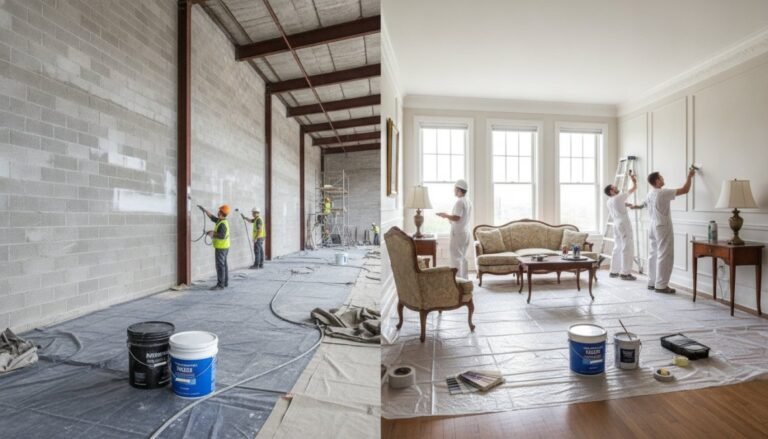

Picking the right paint for your basement isn’t just about choosing a colour. It’s about finding the best formula that can stand up to moisture, fight off mould, and bring some light into a space that’s often naturally dark. Think of it less like decorating and more like adding a protective shield to your home’s foundation, especially for homeowners in Toronto and the GTA.
Your Guide to the Best Basement Paint Options
Painting a basement is a completely different beast than painting any other room in your house, especially for those of us in Toronto, Mississauga, and the wider GTA where dampness is a constant battle. Your basement walls and floors are below-grade, meaning they’re right up against the soil and constantly exposed to moisture.
Slapping a coat of regular interior paint on these surfaces is a recipe for disaster. It’s a common mistake, and one that almost always leads to peeling, bubbling, and even mould growth in less than a year.
This is where specialized basement paints come in. They’re built from the ground up to tackle these exact problems, giving you a tough defence against that underground environment so your hard work actually lasts. When you’re choosing a paint, ask yourself what its main job is. Are you trying to block minor water leaks, deal with general humidity, or just create a tough floor that can handle spills and foot traffic? Your answer will point you to the right can of paint.
For a broader look at how paint qualities differ from room to room, our guide on the best interior paint for walls can offer some helpful context.
What’s in a Can? Understanding Paint Types and Features
To make things easier, let’s break down the best options by what they do and the features they offer. The right choice is all about matching the paint to your basement’s specific needs.
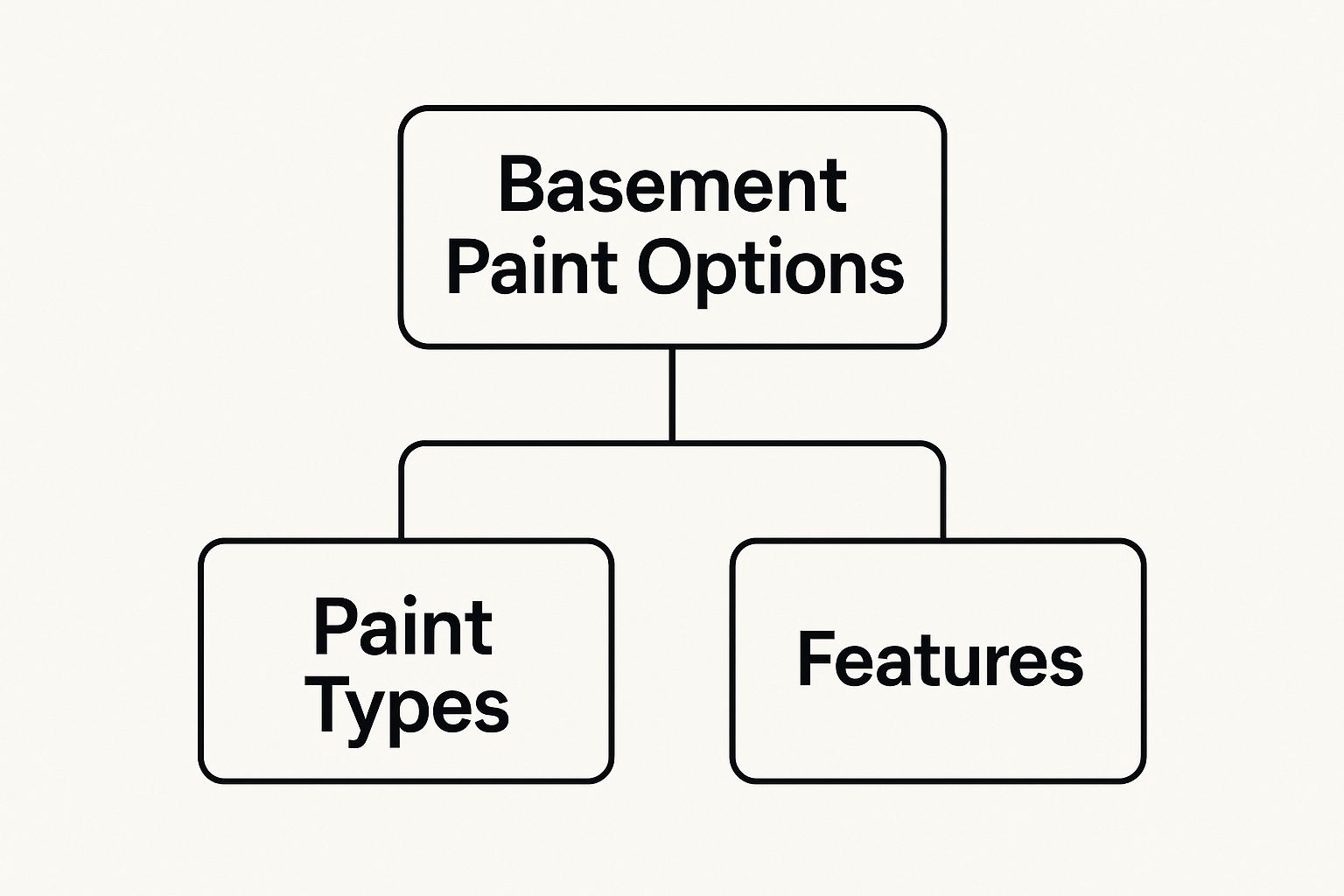
As you can see, it’s not about finding one “best” paint. It’s about connecting the right type of paint with the features your space desperately needs, whether that’s hardcore waterproofing or just solid mould resistance. From tough epoxy coatings for your floor to waterproof paints for concrete walls, each product has a specific job.
Once you get a handle on these categories, you can make a much more informed decision for your home, whether you’re in Mississauga, Scarborough, or looking for the “best basement painters near me” anywhere else across the GTA.
When you’re painting a basement, you’ll quickly realize not all paints can handle the job. The damp, unique environment of a basement in places like Toronto or Mississauga demands something more robust. It’s crucial to understand the difference between waterproof and moisture-resistant paints before you even pick up a brush.
Think of it like this: a waterproof paint is your heavy-duty raincoat, designed to keep you dry in a downpour. A moisture-resistant paint is more like a light windbreaker that can handle a bit of mist or humidity but will soak through in a real storm. One offers a complete barrier, while the other just manages the dampness in the air.
The Power of a True Waterproof Barrier
Waterproof paint is the real deal when it comes to stopping water. It’s a thick, almost rubbery coating that doesn’t just sit on the surface of your concrete walls—it actively blocks water from seeping through. It works by filling the tiny pores in the masonry, creating a solid shield that can stand up to hydrostatic pressure, which is just the fancy term for the force of groundwater pushing against your foundation.
If you’ve got walls that feel damp to the touch or show signs of minor leaks, this is your go-to solution. It’s a proactive defence, not just a pretty colour.
You’ll generally find two main types of waterproofing paint for basements, and they work in slightly different ways to create that protective seal.
- Cementitious Waterproofers: This stuff comes as a powder that you mix with water, turning it into a thick, cement-based paint. When you apply it, it actually bonds chemically with the concrete, becoming a physical part of the wall. It’s an incredibly durable and solid barrier against water.
- Elastomeric Waterproofers: These are super thick, flexible coatings that have a bit of stretch to them. This is a huge advantage because they can bridge over tiny, non-structural cracks in the foundation. As your house settles and shifts with temperature changes, this paint moves with it, ensuring the waterproof seal doesn’t break.
Choosing the best waterproof paint isn’t just about aesthetics; it’s an investment in protecting the structural integrity of your home from the inside out.
Key Takeaway: Waterproof paints are specifically made to stop water from actively entering your basement. They create a thick, impermeable barrier designed to hold back water pressure, making them essential for any walls that have moisture problems.

When Moisture-Resistance is Enough
Now, let’s talk about moisture-resistant paint. This is a different beast altogether. It’s designed to handle the dampness in the air—the high humidity and condensation common in basements—not active leaks pushing through the wall.
These are usually high-quality acrylic latex paints that have special additives to keep moisture from soaking into the paint film itself. This is the same logic you’d use when choosing the best paint for bathrooms, another part of the house that deals with a lot of steam and humidity.
This type of paint is fantastic for preventing mould and mildew from growing on the surface. It also helps stop that chalky white powder you sometimes see on concrete, a problem called efflorescence. That powder is just salt deposits left behind when moisture evaporates from the wall, and a good moisture-resistant paint can block the water that carries it. But remember, it won’t stop a leak.
The need for coatings that can handle these challenges is huge. Just look at the painters industry in California, where the market is projected to hit $6.1 billion in 2025. A big driver of that growth is residential remodelling, with basement finishing and waterproofing being incredibly popular projects. You can read more about the growth of the painting industry and its connection to real estate.
The Best Durable Paint Options for Basement Floors
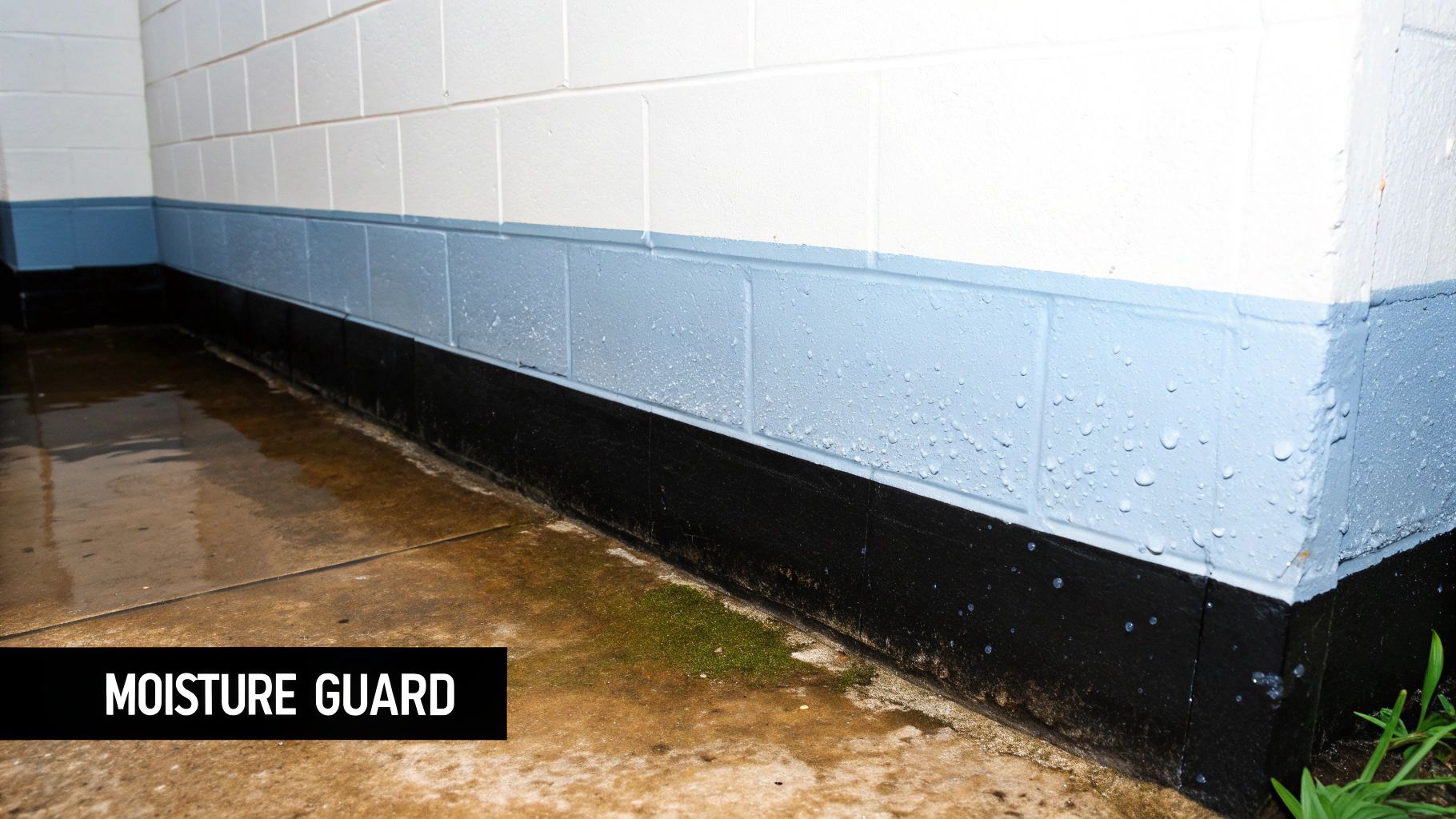
Basement floors have a tough life. They deal with everything from constant foot traffic and shuffling furniture to the persistent threat of moisture seeping up through the concrete slab. Regular wall paint just can’t handle that kind of abuse; it’ll scuff, peel, and give up in no time.
That’s why picking the right coating is so important for a finish that actually lasts. When you’re looking at basement paint options for your floor, you need something specifically built for resilience. Think of it less like paint and more like armour for your concrete.
The Gold Standard: Epoxy Coatings
When people think of tough basement floors, epoxy is usually the first thing that comes to mind—and for good reason. It cures into a thick, hard, and incredibly durable surface that shrugs off scuffs, chemicals, and moisture. This makes it an ideal choice for a home gym, a busy workshop, or even a laundry room where spills are a fact of life.
You’ll generally find two types of epoxy for a project like this:
- 1-Part Epoxy Paint: This is the most user-friendly option, coming pre-mixed in a single can. It goes on a lot like regular paint but offers a big step up in durability from standard latex floor paints. It’s a solid DIY choice for basements with low to moderate foot traffic.
- 2-Part Epoxy Systems: This is the professional-grade stuff. It comes in two parts—a resin and a hardener—that you mix together right before you start painting. The chemical reaction creates a much tougher, more resilient finish that can handle heavy use and offers top-tier protection.
Epoxy is a fantastic product, but its success is completely dependent on good prep work. This isn’t a step you can afford to skip. The concrete has to be spotless and usually needs to be etched or ground to create a profile the epoxy can really bite into. Rushing the prep is the #1 reason floor coatings fail. And if you’re tackling the walls at the same time, our guide has some great tips on choosing the right paint for concrete walls to go with your new floor.
Other Tough Contenders for Your Floor
While epoxy is a clear front-runner, it isn’t the only option out there. Depending on the final look you want and how you plan to use the space, there are a couple of other excellent choices worth a look.
Concrete stains, for example, give you a completely different, more decorative finish. Instead of sitting on top like a thick film, stains soak into the concrete, creating a beautiful, mottled, translucent look that can’t chip or peel. They are perfect for giving a basement living area a more finished, less “industrial” feel.
For areas that see a ton of action, polyurethane floor paints are another fantastic choice. These coatings are famous for their flexibility and incredible resistance to scratches and abrasion, making them a very durable alternative to epoxy.
It’s worth noting that environmental regulations can influence which products are available in your area. Many regions now have strict rules about volatile organic compounds (VOCs), which has led to a rise in popularity for water-based epoxies and newer, fast-curing polyaspartic coatings.
Basement Floor Coatings Head-to-Head
Choosing between these top contenders can be tricky, as each has its own strengths. Think about how you use your basement—is it a workshop, a playroom, or a polished entertainment space? This table breaks down the key differences to help you decide on the best option.
| Coating Type | Durability | Application Difficulty | Moisture Resistance | Best Use Case |
|---|---|---|---|---|
| Epoxy Coating | Very High | Moderate (prep is key) | Excellent | Garages, workshops, high-traffic areas, home gyms. |
| Polyurethane | High | Moderate to High | Good | High-traffic areas needing scratch and UV resistance. |
| Concrete Stain | Good (won’t chip) | Easy to Moderate | Fair (needs sealer) | Decorative finishes, living spaces, low-impact areas. |
Ultimately, epoxy remains the king for sheer toughness and protection, but don’t overlook polyurethane for scratch resistance or stains for pure aesthetics. The best choice is always the one that fits your basement’s specific needs and your own DIY comfort level.
Getting Your Surfaces Ready for a Flawless Finish

Here’s a little secret from the pros: the key to a basement paint job that lasts isn’t in the can of paint. It’s all in the prep work. Honestly, a successful project is 90% preparation and only 10% painting. If you rush this part, you’re practically guaranteeing yourself a future of peeling, bubbling paint.
Think of it like this: your basement walls and floors are the canvas. You’d never start an oil painting on a dirty, torn canvas, right? The same principle applies here. Taking the time to prep the surface is what allows the paint to grab on and create a strong, durable bond.
Building the Foundation for a Great Paint Job
Before a single drop of paint is applied, you need to give those surfaces a deep clean. Basements are magnets for dust, grime, and that pesky chalky white powder known as efflorescence, which is a tell-tale sign of moisture.
This step is absolutely non-negotiable. Any dirt or residue left behind creates a barrier, preventing the paint from adhering properly and causing it to fail much sooner than it should. Grab a stiff-bristled brush and a good quality masonry cleaner to get the job done right. For those of us in Toronto and Mississauga, running a dehumidifier while everything dries out is a smart move to combat our regional humidity.
It’s tempting to just paint over imperfections, but you have to fix the root cause first. Simply patching a crack from a foundation problem without addressing the foundation itself is like putting a small plaster on a major wound—it covers the symptom but doesn’t solve the real issue.
Repair, Prime, and Get Ready for Success
With the surfaces sparkling clean and bone dry, it’s time for a close inspection. Hunt down every crack, hole, or rough patch that needs to be dealt with.
- Patching Up Flaws: For any cracks or holes, use a quality hydraulic cement or an epoxy-based concrete patch. This will give you that smooth, uniform surface you’re after.
- Dealing with Dampness: If you repaired a crack that was letting water in, double-check that the source of the leak has been fixed. Even the best waterproof paint can’t hold back constant water pressure forever.
After all the repairs are done, there’s one final, crucial step: priming. Primer is the bridge between the concrete and your paint, making sure your topcoat sticks and lasts.
The primer you choose really depends on the surface you’re working with. A good bonding primer is perfect for very slick surfaces or walls that have been painted before. If you’re dealing with bare concrete blocks, a block filler primer is your best bet; it’s designed to seep into all those tiny pores and create a solid, even base for your paint.
Of course, having the right materials is only half the battle—you also need the right tools. To get a better handle on which applicators to use, check out this guide on the best paint brushes and rollers for your job. By putting in the effort to create a clean, repaired, and perfectly primed surface, you’re setting yourself up for a beautiful finish that will keep your basement looking bright and fresh for years.
Choosing the Best Paint Colours to Brighten Your Basement
Picking the right paint colour is one of the biggest decisions you’ll make for your basement. It can single-handedly transform a space that often feels dark and a bit forgotten. Since natural light is usually in short supply down there, your colour choice becomes your secret weapon for making the room feel larger, brighter, and way more welcoming.
This is where we shift from the technical side of things to pure aesthetics. The goal is to pick colours that work overtime, amplifying every bit of artificial light to create an illusion of space and warmth. Think of your walls as giant light reflectors.
The right hue can turn a gloomy lower level into the family’s favourite hangout spot. For homeowners in the GTA, where a finished basement is prime real estate, getting the colour right is the key to unlocking the room’s full potential.
Harnessing the Power of Light Neutrals
When you’re short on windows, light-reflecting colours are your best friends. We’re not talking about stark, clinical white, though. The most effective options are soft neutrals that feel inviting and bounce light around the room, maximizing the glow from every lamp and pot light.
Here are a few powerhouse choices to brighten up your space:
- Warm Off-Whites: Look for whites with subtle undertones of yellow or cream. These hints of warmth prevent the colour from feeling cold or sterile, creating a soft, sun-kissed effect that’s both cozy and expansive.
- Soft Greys: A light, warm grey (sometimes called “greige”) is perfect for a modern, sophisticated look that doesn’t close the room in. It creates a beautiful backdrop that works with almost any style of furniture or decor.
- Pale Beiges: This is a classic choice for a reason. A warm beige adds a layer of comfort that directly counters that subterranean chill many basements have.
Choosing the right shade is crucial for making your basement feel inviting. For more detailed guidance, explore our expert tips on selecting the ideal basement paint colours that can truly elevate your space.
Using Accent Walls and the Right Sheen
Don’t think a neutral palette has to be boring! An accent wall is a fantastic way to inject some personality and create a focal point without overwhelming the space. Painting just one wall in a deeper, richer colour—like a sophisticated navy blue or a deep forest green—adds depth and draws the eye, making the entire room feel more dynamic.
The paint’s sheen is just as important as the colour itself. The finish you choose can make or break the final look in a basement.
An eggshell or satin finish is almost always the best choice for basement walls. These sheens have a gentle lustre that helps reflect light, subtly brightening the room. More importantly, they’re durable and easy to clean, which is a must for a space that sees a lot of traffic. Stay away from high-gloss finishes; their intense shine will highlight every single tiny bump and imperfection on your walls.
Finding the Best Basement Painters in the GTA
Tackling a basement painting project yourself is definitely one way to go, but if you want a finish that looks truly professional and is built to last, calling in an expert is a smart move. This is especially true in places like Toronto and Mississauga, where the dampness of a below-grade space presents unique challenges. Hiring a painter who really gets the science behind the best basement paint options isn’t just a cost—it’s an investment in your home.
A seasoned pro brings a lot more to the table than just paint supplies. They have a trained eye for the subtle signs of moisture problems that most homeowners would easily overlook. They can recommend the right waterproofing systems or specific paint formulas to protect your investment for years. That kind of expertise is what makes the difference between a paint job that lasts and one you have to redo in a year.
How to Vet Painters in Your Area
When you start your search for the best painters in the GTA, don’t just focus on the price tag. You need to find a team that genuinely specializes in basement environments. Think about it: a painter who spends all their time on sunny, dry bedrooms probably won’t have the hands-on experience needed to properly prep and coat concrete walls against hydrostatic pressure.
To make sure you’re hiring the right crew, it’s a good idea to have a checklist of questions ready. This helps you cut through the sales pitch and find a reliable company that will stand by their work.
Choosing the right professional is about safeguarding your investment. A painter with deep knowledge of moisture-prone areas ensures the job is done right once, preventing costly repairs from peeling or bubbling paint down the line.
Here are a few key things to ask any potential contractor:
- Experience: How many basements have you actually painted? Do you have examples in older Toronto homes or newer builds in Mississauga? Always ask for a portfolio or references.
- Preparation: Walk me through your process. What specific steps do you take to prepare concrete walls and floors before a single drop of paint is applied?
- Product Choice: What specific waterproofing or moisture-resistant paint brands do you trust for a space like mine, and why do you prefer them?
- Warranty: What kind of warranty do you offer on your work? Does it specifically cover issues like peeling or paint failure due to moisture?
There’s a reason more people are turning to skilled professionals for this kind of work. As paint technology has advanced, so has the need for expert application to get the best results. You can dig deeper into the coating industry trends and skilled labour availability in recent market reports to see how the industry is shifting.
Common Basement Painting Questions
When you’re getting ready to paint your basement, a few questions always seem to pop up. It’s totally normal—this isn’t like painting any other room in your house. Let’s tackle some of the most common ones I hear from homeowners in the Toronto area.
Getting the right answers upfront can save you a world of headaches later on.
We often get asked about the best way to handle this unique space. To make things a little easier, here are answers to the top 4 questions we hear all the time.
| Question | Answer |
|---|---|
| 1. Can I just use regular interior paint in my basement? | I really wouldn’t recommend it. Standard wall paint just isn’t built for the damp, cool conditions of a basement. It lacks the crucial additives that fight off mould and mildew, and it won’t bond properly to concrete or masonry, which almost always leads to bubbling and peeling down the road. |
| 2. Is primer really that important for basement walls? | Absolutely, 100%. Think of primer as the essential foundation for a lasting paint job. It does three critical things: it ensures your topcoat actually sticks to the wall, it blocks old water stains from bleeding through, and it adds an extra barrier against moisture. Skipping it is a shortcut you’ll regret. |
| 3. What paint sheen works best for a basement? | For basement walls, you can’t go wrong with an eggshell or satin finish. These sheens have a slight lustre that makes them durable and easy to wipe down, but they’re subtle enough that they won’t put a spotlight on every little bump and imperfection in the concrete, the way a glossy paint would. |
| 4. Will waterproofing paint fix my leaky basement? | This is a big one. While top-notch waterproofing paints like DRYLOK are fantastic for stopping minor dampness and moisture seepage, they are not a permanent fix for active leaks. If you’ve got water actually coming in, you need to address the root cause first—that might mean foundation work or improving your exterior drainage. Paint is a barrier, not a structural repair. |
Hopefully, that clears a few things up! The key takeaway is that your basement has its own set of rules, and using the right products and techniques is what separates a beautiful, dry space from a peeling, mouldy mess.
For homeowners in Toronto, Mississauga, and across the GTA, a little local expertise can go a long way. We understand the specific challenges our climate brings to below-grade spaces and can help you find a solution that lasts.
For a professional consultation and a flawless finish on your next project, trust the best basement painters at Soca Services Painting. Find out more by visiting our website at https://www.socaservicespainting.com.