Table of Contents
- Why Local Painting Services for Heritage Homes Require a Specialist Approach
- Best Paint for Heritage Homes: Materials That Protect Architectural Charm
- How to Choose Historic Paint Colors for Your Heritage Property
- Hiring Professional Painters for Historic Houses: Costs, Credentials, and What to Expect
Last Updated: June 7, 2026
Heritage homes demand care that most standard painting crews cannot provide. Finding the right local painting services for heritage homes in Toronto means looking beyond a fresh coat of paint into the structural, historical, and regulatory details that make these properties unique. At Soca Services Painting, we have spent over a decade working across Toronto, North York, and Vaughan, and heritage properties consistently present the most technically demanding work we encounter.
The real challenge is material compatibility. Old-growth wood, lime plaster, and masonry behave completely differently from modern materials, and the wrong paint product will trap moisture, accelerate rot, and void any workmanship guarantee within a season.
Why Local Painting Services for Heritage Homes Require a Specialist Approach
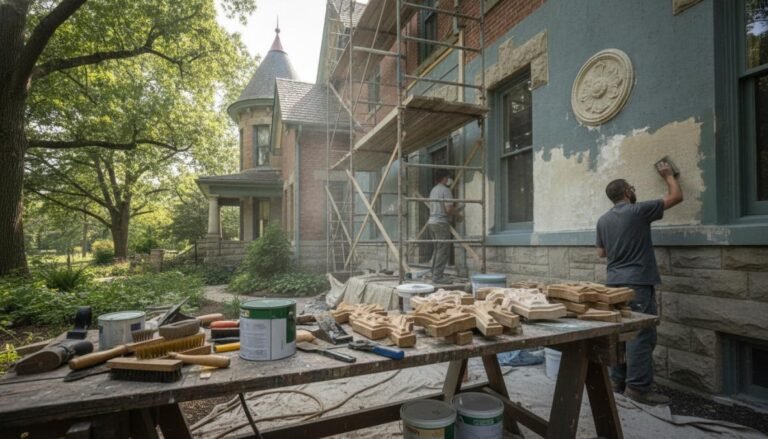
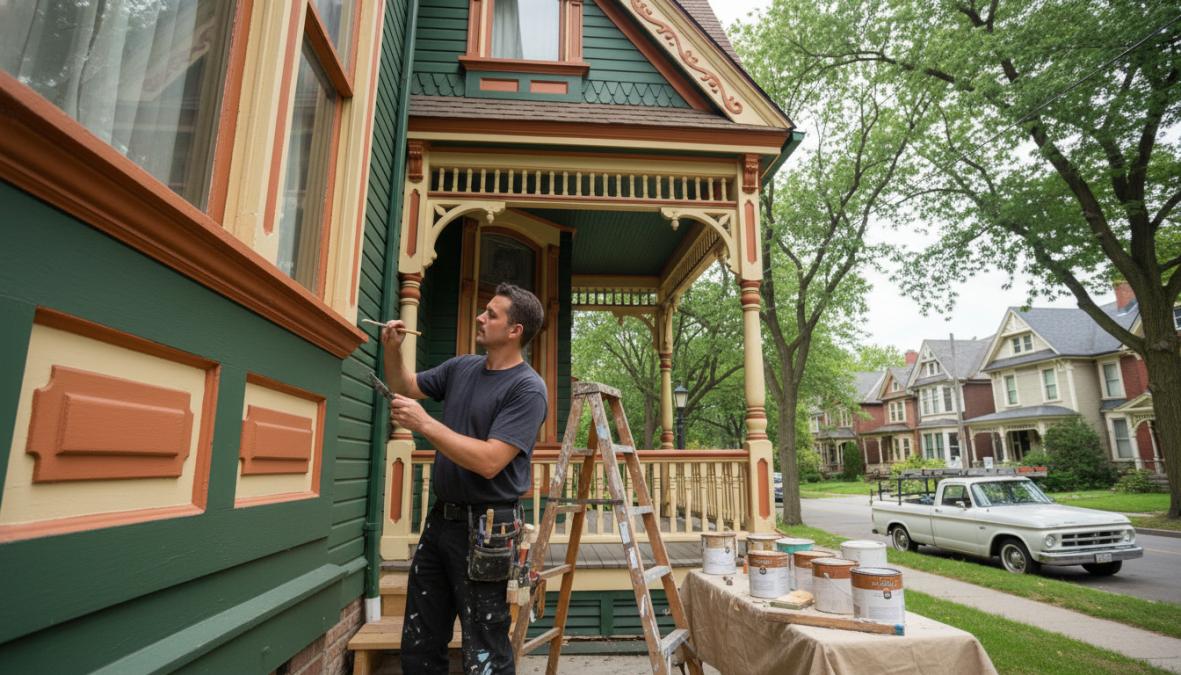
Heritage home restoration is an entirely different discipline from standard painting. Victorian, Craftsman, and Edwardian properties in Toronto were built with materials and methods that are no longer standard, and applying modern techniques without adjustment causes real damage.
The core problem is breathability. Original plaster walls and old-growth wood siding need to release moisture vapor. Many modern latex paints form a vapor barrier that traps moisture inside the substrate, leading to peeling, blistering, rot, and mold. Specialist painters assess the substrate first and select vapor-permeable formulations or traditional oil-based primers that penetrate rather than film-form.
Applying a standard exterior latex paint directly over original wood siding is one of the most common mistakes homeowners make. Trapped moisture causes paint failure within one to two seasons and can accelerate wood decay, turning a cosmetic project into a structural repair.
Properties built before 1978 very likely contain lead-based paint layers. According to Health Canada’s guidance on lead paint in older homes, disturbing lead paint without proper protocols creates serious health risks. Certified lead-safe practices include wet scraping, HEPA vacuuming, and proper disposal of contaminated debris, a clear credential to ask about before hiring any contractor. Surface preparation on heritage homes also takes significantly longer than on modern construction, and contractors who skip this phase are the single biggest source of heritage painting failures in Toronto.
Best Paint for Heritage Homes: Materials That Protect Architectural Charm
Choosing the best paint for heritage homes comes down to three priorities: substrate compatibility, UV protection, and paint longevity.
Vapor-permeable exterior paints: Best for original wood siding and timber-framed structures. Many heritage specialists prefer oil-based alkyd primers beneath water-based topcoats.
Lime wash: The traditional choice for masonry and brick. Breathable, naturally antimicrobial, and historically accurate for pre-1900 construction, it weathers gracefully rather than peeling.
Acrylic latex (vapor-open formulations): Modern products from Sherwin-Williams and Benjamin Moore now include vapor-open options developed for historic substrates, offering improved moisture control and durability.
Epoxy consolidants and primers: Used for rotted wood that cannot be replaced due to preservation requirements. Epoxy consolidants stabilize wood fibers before priming, extending the life of original woodwork.
For exterior woodwork on Victorian or Edwardian homes in Toronto, prime with a penetrating oil-based primer, then topcoat with a high-quality acrylic latex rated for UV protection. This combination gives you the adhesion and breathability of oil with the color stability of modern acrylic.
Toronto’s freeze-thaw cycles are harsh on painted surfaces, and a proper maintenance schedule, including annual touch-ups at window sills, fascia boards, and trim joints, extends the life of a full exterior refresh by several years. According to the National Trust for Historic Preservation’s guidance on exterior paint, selecting period-appropriate materials is not just an aesthetic choice but a structural one.
How to Choose Historic Paint Colors for Your Heritage Property
Historic paint colors are shaped by architectural style, local heritage district guidelines, and the original pigment palette of the era, not simply personal preference.
Start with these four steps:
Identify your home’s architectural period. Victorian homes typically used rich, multi-tone palettes with contrasting trim. Craftsman bungalows favored earthy tones. Edwardian properties leaned toward lighter, cleaner palettes.
Check with your local heritage authority. Many Toronto neighborhoods, including Cabbagetown, Rosedale, and the Annex, have specific color guidelines or require approval for exterior changes. The City of Toronto heritage preservation office guidelines outlines what approvals may be required before painting begins.
Commission a paint analysis if the original scheme matters. Specialty contractors can take micro-samples of existing paint layers to identify original historic paint schemes, particularly valuable for landmark properties.
Use manufacturer historic palettes as a starting point. Both Sherwin-Williams and Benjamin Moore publish curated historic color collections developed with preservation organizations.
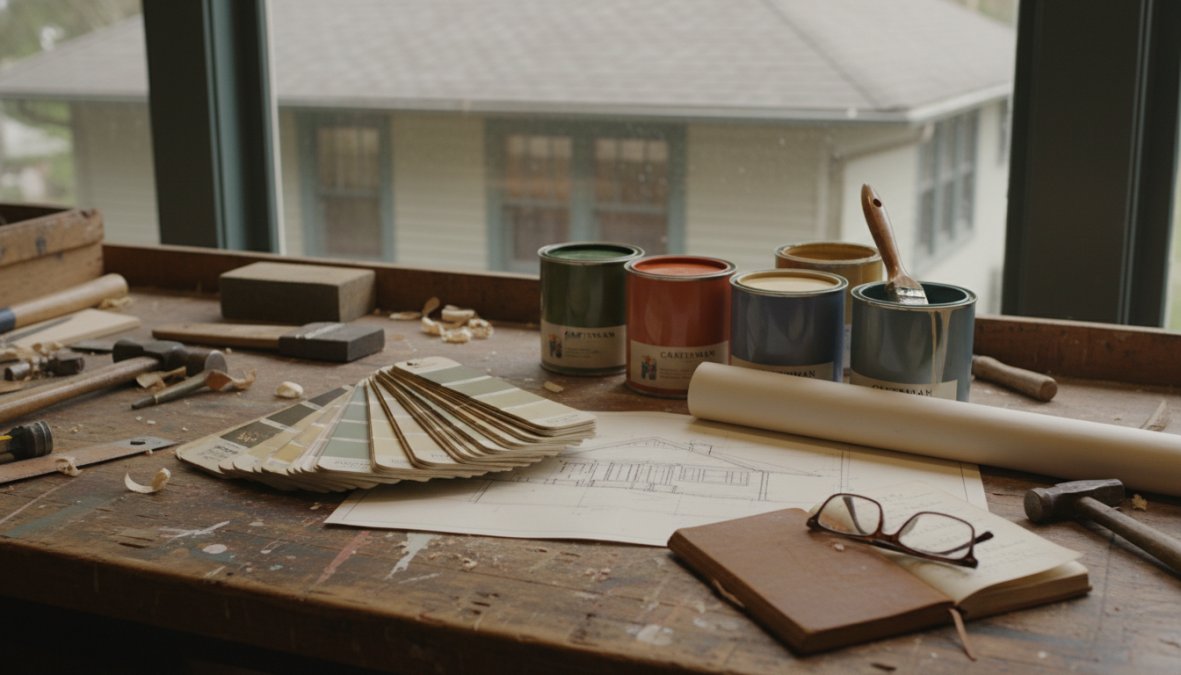
A three-color approach, body, trim, and accent, is standard for Victorian and Craftsman properties and is what most heritage paint schemes are designed around.
Historic paint color selection is both a design decision and a regulatory one. Always verify local heritage district requirements before committing to an exterior color scheme, since non-compliant choices can result in required reversal at the owner’s expense.
Hiring Professional Painters for Historic Houses: Costs, Credentials, and What to Expect
Hiring professional painters for historic houses requires more thorough vetting than a standard residential project. Mistakes on heritage substrates are expensive to reverse and can compromise structural integrity.
Credentials to verify before signing anything:
- Lead-safe certification (required for any pre-1978 property)
- Proof of liability insurance and WSIB coverage in Ontario
- Specific experience with Victorian, Craftsman, or Edwardian properties
- References from heritage projects, not just standard residential painting
- A detailed written proposal specifying surface preparation steps, primer products, and finish coats by name
What to expect from the project process:
- Site assessment and substrate evaluation
- Lead paint testing if not previously documented
- Permitting review if the property is in a heritage district
- Surface preparation: scraping, sanding, caulking, and wood repair
- Priming with substrate-appropriate products
- Finish coat application, often two coats minimum
- Final inspection and touch-up
A full exterior refresh on a Victorian semi-detached in Toronto typically takes several days to a week, depending on existing paint condition and woodwork preservation required. Expect to pay a premium over standard residential rates, specialty materials, extended preparation time, and required expertise all factor in. Treat any quote that comes in dramatically below others as a red flag rather than a bargain.
Soca Services Painting brings over ten years of experience across Toronto, with a structured four-step process that includes a detailed project proposal before any work begins. As documented in Ontario’s heritage property standards and guidelines, property owners in designated heritage areas carry specific maintenance obligations, making professional documentation of painting work an added practical benefit.
Heritage Painting Contractor Checklist:
- Confirmed lead-safe certification
- Verified liability insurance and WSIB coverage
- Portfolio of completed heritage or historic home projects
- Written proposal specifying materials by product name
- Clear surface preparation protocol included in scope
- References from comparable heritage projects available
- Awareness of local heritage district regulations
Well-maintained heritage exteriors consistently command stronger property values in Toronto’s real estate market. Investing in qualified local painting services for heritage homes is both sound preservation and a financially smart decision.
Heritage properties in Toronto present a genuine challenge: finding contractors who understand historic substrates, lead safety, and preservation requirements without compromising finish quality. Soca Services Painting combines over a decade of residential and commercial painting experience with a stress-free four-step process and detailed project proposals that give heritage homeowners full visibility before work begins. Get your free estimate today and protect the architectural charm of your heritage home with the professional finish it deserves.
Frequently Asked Questions
What is the difference between standard and heritage home painting?
Heritage home painting requires specialized knowledge that goes well beyond standard residential work. Painters must assess aging substrates like plaster, old-growth wood, and masonry before applying any coating. Surface preparation is far more involved, and material compatibility is critical, modern acrylic paints can trap moisture in porous historic materials. Lead-safe certification may also be required. Local painting services for heritage homes, like those offered by Soca Services Painting in Toronto, are equipped to handle these unique technical and regulatory demands.
Do I need special permits to paint a heritage-listed home in Toronto?
In many cases, yes. Toronto has designated heritage districts where exterior changes, including paint color, may require approval from the city's Heritage Preservation Services. Even if a formal permit isn't needed, your property may be subject to color guidelines that reflect its historic paint schemes. A qualified local contractor familiar with Toronto's heritage regulations can help you navigate this process before any work begins, avoiding costly compliance issues down the line.
What types of paint are best for heritage homes?
The best paint for heritage homes depends on the substrate. Breathable, vapor-permeable coatings are generally preferred for older masonry and plaster to prevent moisture trapping. For exterior woodwork on Victorian or Craftsman homes, high-quality oil-based or alkyd paints offer excellent adhesion and longevity. Modern premium latex formulas with UV protection can also work well when properly primed. A specialist painter will assess your specific surfaces and recommend products that balance historical accuracy with long-term paint longevity.
How often should a heritage home be repainted?
Most heritage home exteriors benefit from repainting every five to eight years, though this varies by material, climate exposure, and paint quality. Toronto's freeze-thaw cycles and UV exposure can accelerate weathering on older substrates. Establishing a maintenance schedule, including annual inspections for peeling, cracking, or moisture damage, helps protect structural integrity and curb appeal. Interior heritage surfaces, particularly woodwork and plaster, typically last longer between repaints, often ten years or more with proper preparation.
How do I find qualified local painters for historic properties in Toronto?
Look for local painting contractors who are licensed and insured, have documented experience with heritage or historic home restoration, and can demonstrate familiarity with lead-safe practices and local heritage district regulations. Ask for detailed project proposals and references from similar properties. Soca Services Painting, based in Toronto with over a decade of experience in residential and commercial painting, offers free estimates and a transparent four-step process designed to give heritage homeowners confidence from the first consultation through project completion.
This article was written using GrandRanker