Table of Contents
- Why Hiring a Painting Company in Toronto Is Worth It
- Interior and Exterior Painting: What Toronto Painters Cover
- Cost of Interior Painting in Toronto: What to Expect
- How to Prepare Your House for Professional Painters
- Hiring Professional Painters Checklist: What to Look For
- How Long Does Interior Painting Take in Toronto?
- Eco-Friendly Paint Options and Seasonal Painting Advice for Toronto
- Why Choose Soca Services Painting as Your Toronto Painting Company
- Conclusion: Get Your Free Estimate from a Trusted Toronto Painter
Last Updated: May 28, 2026
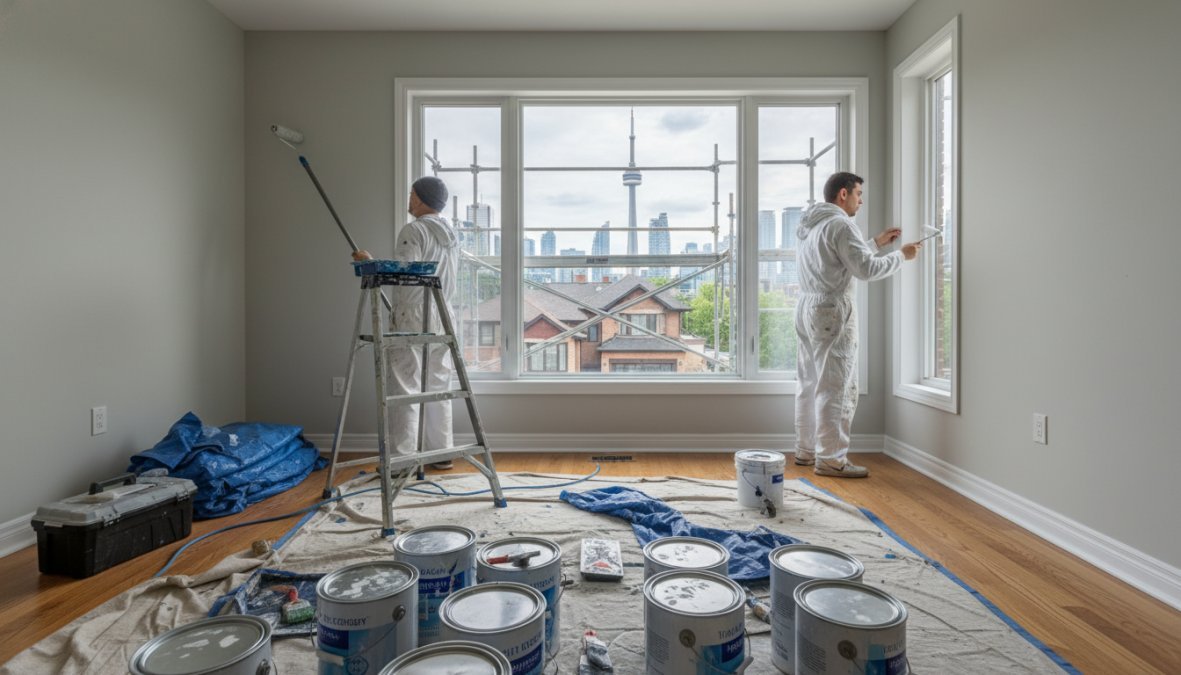
Choosing the right painting company toronto homeowners trust comes down to more than a fresh coat of paint. Soca Services Painting has spent over a decade helping Toronto residents and business owners transform their spaces, and the difference between a job that lasts and one that peels within a year almost always traces back to preparation, product choice, and the professionalism of the crew. Below, this guide covers everything from cost expectations and preparation checklists to eco-friendly paint options and seasonal timing advice. Most guides stop at surface-level tips. This one goes deeper.
Here’s what most homeowners get wrong: they hire based on price alone. The real differentiator is process.
Why Hiring a Painting Company in Toronto Is Worth It
Professional painting services deliver results that DIY projects rarely match, but the reason goes deeper than skill. The real gap is systematic: professional crews follow a preparation-first process that most homeowners skip entirely because it is time-consuming, unglamorous, and produces no visible result until the final coat goes on.
Toronto’s climate is one of the most demanding in North America for exterior finishes. The city experiences an average of 30 to 40 freeze-thaw cycles per year, summer relative humidity that regularly exceeds 70 percent, and UV exposure that degrades exterior coatings faster than in more temperate climates. A painting company toronto residents rely on will select primers and topcoats specifically rated for these conditions, products with higher elasticity to handle substrate movement and UV inhibitors to slow colour fade. These are not available at most retail hardware stores and are not the products a DIY painter typically reaches for.
The hidden cost of cutting corners is real and measurable. A paint job that fails within two to three years, through peeling, bubbling, or early colour fade, does not just cost the price of a repaint. It costs the labour of stripping the failed finish before the new one can go on, which is often more expensive than the original job. Professional contractors build longevity into the project from the first step.
What a Professional Process Actually Includes
The difference between a professional paint job and an amateur one is almost entirely in the preparation phase, not the application phase. Here is what a rigorous professional process looks like versus what most DIY projects skip:
| Step | Professional Standard | Common DIY Shortcut |
|---|---|---|
| Surface cleaning | Pressure wash (exterior) or TSP wash (interior) | Wipe with a damp cloth |
| Drywall repair | Fill, sand, prime spot repairs before full prime coat | Fill only, skip spot prime |
| Caulking | Recaulk all trim, window, and door transitions | Skip or apply over failed old caulk |
| Priming | Full prime coat on bare surfaces and colour changes | Skip primer to save time |
| Sanding between coats | Light sand after prime coat for adhesion | Skip between-coat sanding |
| Dry time | Follow manufacturer cure times between coats | Apply second coat same day |
Each skipped step compounds the next. A surface that was not properly cleaned will not hold primer. A primer coat that was not sanded will not bond the topcoat cleanly. The finish that looks acceptable on day one will reveal its shortcuts within one to two seasons.
The Toronto-Specific Material Consideration
Not all paints sold in Canada are formulated for Toronto’s climate range. Exterior products need to remain flexible at temperatures as low as minus 20 degrees Celsius and resist UV degradation through hot, humid summers. Professional painting contractors source commercial-grade products from manufacturers like Sherwin-Williams, Benjamin Moore, and PPG that publish technical data sheets specifying temperature ranges, elasticity ratings, and VOC content. Asking your contractor which specific product line they are using, and why, is a reasonable question that a qualified professional should be able to answer without hesitation.
Ask your painter to show you the technical data sheet for the exterior topcoat they plan to use. It will list the minimum application temperature, recoat window, and expected service life. This one document tells you more about the quality of the job than any sales pitch.
Residential Painting Services for Toronto Homeowners
Residential painting covers far more than rolling walls. A full-service local painting company will handle trim and baseboards, cabinetry painting, ceiling work, feature walls, and detailed colour consultation to help homeowners make decisions they will be happy with long-term.
Condo painting has become a significant part of the Toronto residential market. Condo units present unique challenges: limited ventilation, noise restrictions in shared buildings, and strict move-in and move-out windows. Experienced house painters who work regularly in Toronto neighbourhoods understand these constraints and plan accordingly.
Colour consultation is one of the most undervalued services in home renovation. The right paint finishes can make a small room feel significantly larger or a dated kitchen feel completely updated. This is a practical benefit, not just an aesthetic one.
Commercial Painting Services Across the GTA
Commercial painting across the Greater Toronto Area requires a different operational approach than residential work. Projects often run on tight timelines, require after-hours access, and must meet specific finish standards for retail, office, or industrial environments.
A qualified painting company toronto businesses work with will carry full liability insurance and WSIB coverage, maintain a dedicated project management process, and deliver on-time with minimal disruption to operations. These are non-negotiable requirements for commercial clients, and they should be confirmed before any contract is signed.
Interior and Exterior Painting: What Toronto Painters Cover
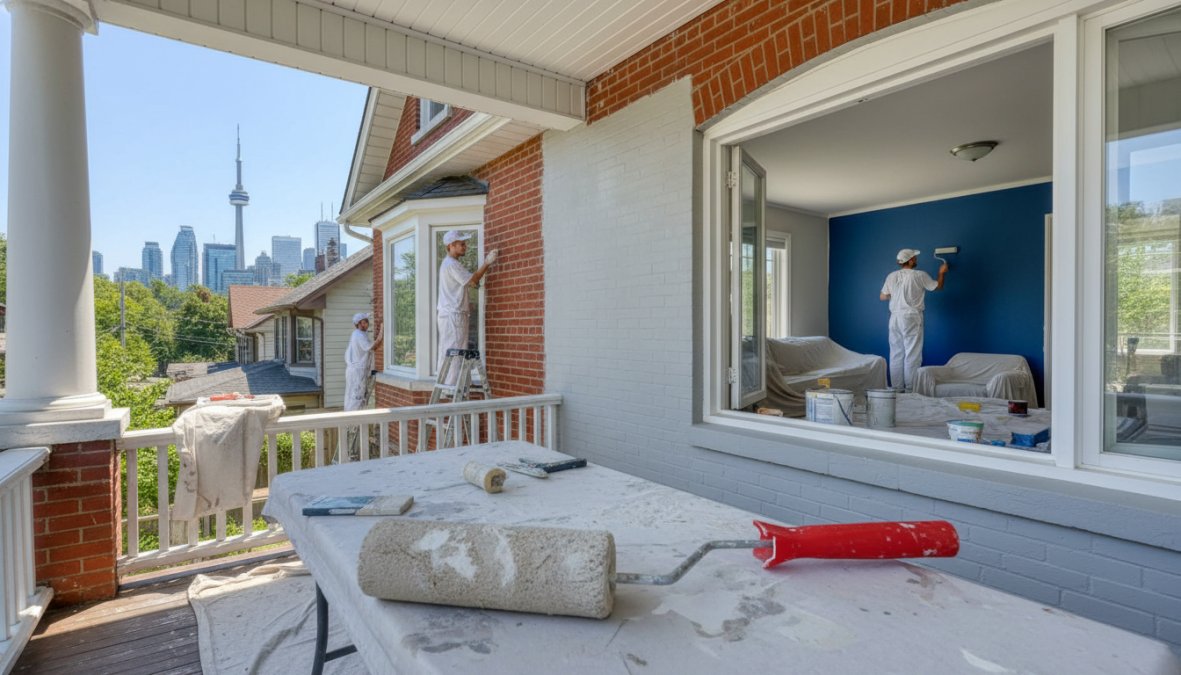
Professional Toronto painters cover a comprehensive range of services across both interior and exterior applications, from spray painting smooth ceilings to brick staining on century-old facades.
A professional painter applying a smooth coat to an interior wall sets the standard for what quality looks like: clean edges, consistent coverage, no lap marks, and surfaces that hold up to daily wear. The difference between a professional finish and an amateur one is visible within months.
Interior Painting: Rooms, Trim, Cabinetry, and Drywall Repair
Interior painting is not a single task. It is a sequence of steps where each one determines the quality of the next. Sanding, drywall repair, caulking, priming, and paint application must happen in the correct order with adequate dry time between stages.
Cabinetry painting has surged in popularity as Toronto homeowners look for cost-effective kitchen updates. Spray painting cabinets produces a factory-smooth finish that brush application simply cannot replicate. This is a specialized skill, and not every painting contractor offers it at a professional standard.
Trim and baseboards are where many paint jobs fall apart visually. Cutting in cleanly along trim lines requires steady technique and the right brush profile. When done correctly, crisp trim lines make an entire room look sharper.
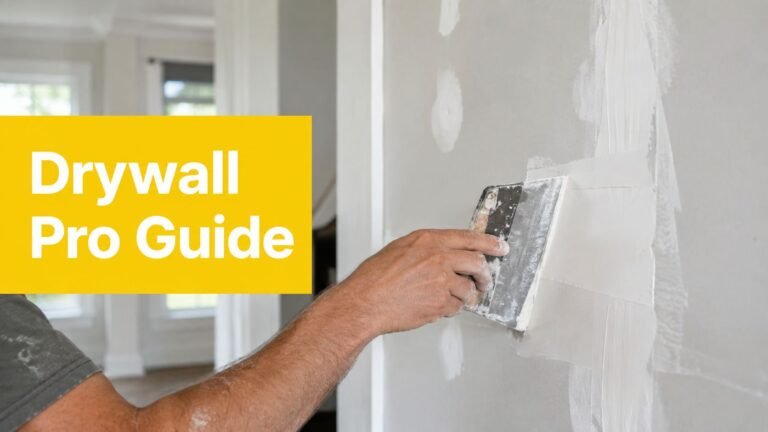
Drywall repair is often discovered mid-project. Nail holes, hairline cracks, and water damage all need to be addressed before paint goes on. Skipping this step creates a finish that highlights imperfections rather than hiding them.
Exterior Painting: Brick Staining, Wood Staining, and Caulking
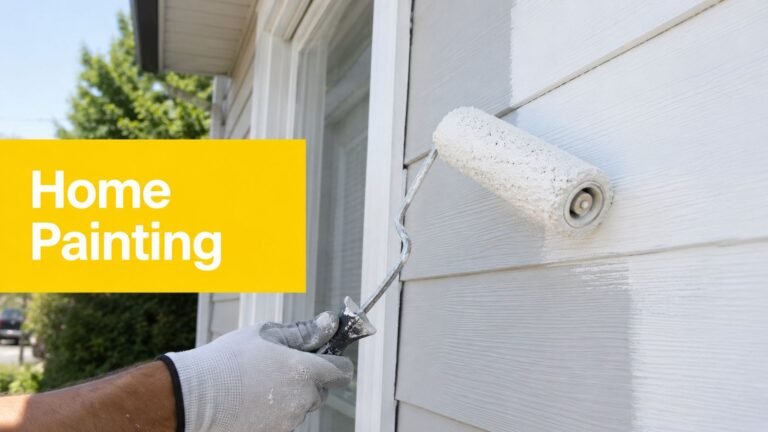
Exterior painting in Toronto demands products rated for wide temperature ranges and UV exposure. Paint application on exterior surfaces must account for moisture content in the substrate, which is why painting in the wrong season or on improperly dried surfaces leads to premature failure.
Brick staining is a specialized service that transforms the look of older Toronto homes without the cost or disruption of re-cladding. Unlike paint, stain penetrates the masonry and does not peel. Wood staining on decks, fences, and exterior trim requires similar expertise: the wood must be clean, dry, and lightly sanded before any stain is applied.
Caulking around windows, doors, and trim is a critical weatherproofing step that most homeowners overlook until they see drafts or water damage. A thorough exterior paint job always includes recaulking these transition points.
Cost of Interior Painting in Toronto: What to Expect
The cost of interior painting Toronto homeowners pay varies based on room size, surface condition, paint quality, and the number of coats required. Providing a single number without context is misleading, but understanding the key cost drivers helps set realistic expectations.
Surface condition is the biggest variable. A room with smooth, previously painted walls in good condition takes significantly less preparation time than one with extensive drywall damage, multiple layers of old paint, or previously applied textured finishes. Preparation time drives labour costs.
Paint quality matters more than most clients expect. Premium paints with better coverage, washability, and durability cost more per litre but often require fewer coats and hold up longer. The savings from buying cheaper paint rarely offset the additional labour of applying extra coats.
| Factor | Impact on Cost | Notes |
|---|---|---|
| Room size | High | Larger rooms require more material and time |
| Surface condition | High | Drywall repair and sanding add prep time |
| Number of coats | Medium | Quality paint often covers in two coats |
| Paint grade | Medium | Premium paints cost more but last longer |
| Trim and cabinetry | Medium-High | Detail work is labour-intensive |
| Colour change (dark to light) | Medium | May require additional primer coat |
Requesting a detailed painting estimate before work begins is the only way to get an accurate number. Reputable contractors provide itemized proposals, not just a single lump-sum figure.
Beware of unusually low quotes. A painting company that bids significantly below market rate is almost always cutting preparation steps, using lower-grade materials, or planning to add costs mid-project. The final invoice rarely matches the low initial quote.
How to Prepare Your House for Professional Painters
Preparing your home before professional painters arrive directly affects how quickly the job gets done and the quality of the final result. Proper preparation is a shared responsibility between the homeowner and the crew.
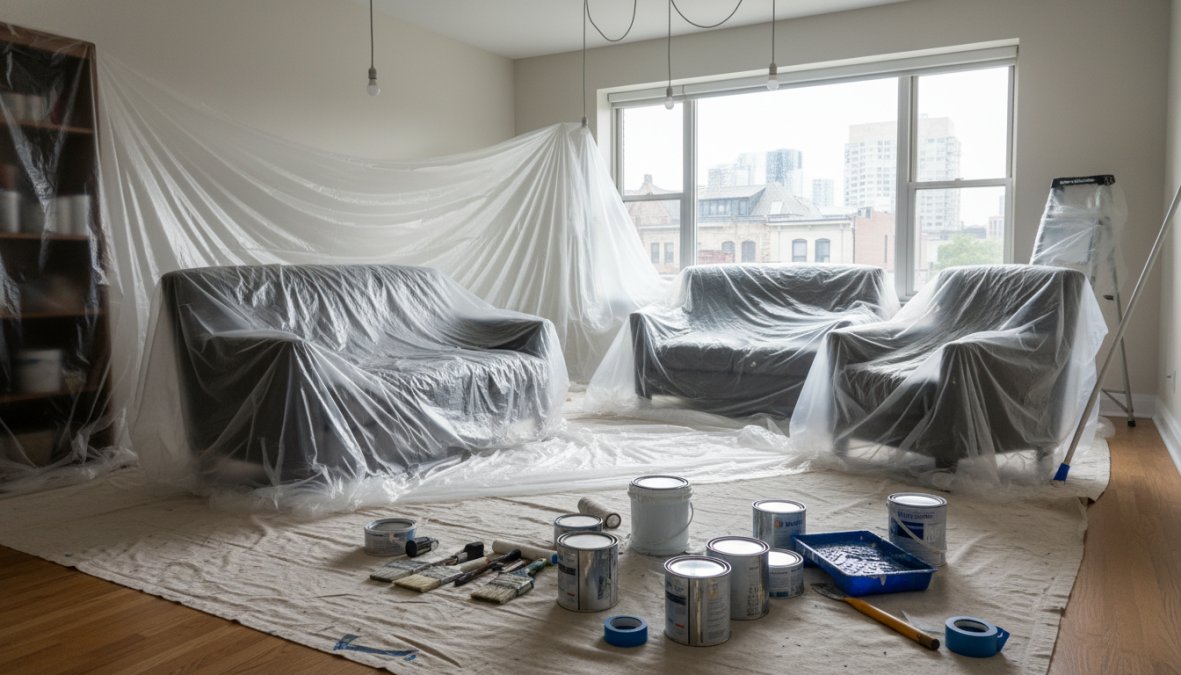
The most important step homeowners can take is clearing the space. Furniture that stays in the room needs to be moved to the centre and covered with plastic sheeting. Wall-mounted items, outlet covers, and light switch plates should be removed. The more accessible the walls are, the more efficiently painters can work.
Room-by-Room Preparation Checklist
Use this checklist before your painting crew arrives to avoid delays and protect your belongings.
Living Room and Bedrooms:
- Move furniture to the centre of the room or into a different room
- Cover remaining furniture with plastic sheeting
- Remove wall art, mirrors, and shelving
- Take down curtains and curtain rods
- Remove outlet covers and light switch plates
- Patch any obvious holes or damage you want addressed
Kitchen and Cabinetry:
- Clear countertops completely
- Remove items from cabinet interiors if cabinets are being painted
- Disconnect small appliances from walls
- Cover appliances that cannot be moved
Exterior Preparation:
- Clear plants and patio furniture away from the house perimeter
- Note any areas of wood rot, failed caulking, or loose siding
- Ensure water access for pressure washing if included in the scope
Communicating known issues to your painting contractor before work starts prevents surprises and allows for accurate project scheduling.
Hiring Professional Painters Checklist: What to Look For
The hiring professional painters checklist most guides provide is too vague to be useful. Here is a more specific version based on what actually separates quality contractors from unreliable ones.
The first filter is documentation. Any legitimate painting company toronto property owners should hire will provide proof of liability insurance and WSIB coverage without hesitation. If a contractor is reluctant to share these documents, stop the conversation there.
The second filter is the proposal quality. A detailed written proposal that itemizes preparation steps, materials, number of coats, and timeline tells you a great deal about how the contractor operates. Vague one-line quotes are a red flag.
Hiring Checklist:
- Verify proof of liability insurance
- Confirm WSIB coverage is current
- Request an itemized written proposal
- Ask specifically what surface preparation is included
- Confirm paint brands and grades being used
- Ask about the workmanship warranty terms
- Check for a verifiable portfolio or customer reviews
- Confirm the crew doing the work are employees, not unvetted subcontractors
Insurance, WSIB Coverage, and Workmanship Warranty
Liability insurance protects your property if something goes wrong during the project. WSIB (Workplace Safety and Insurance Board) coverage protects workers on your property. Both are legal requirements in Ontario for professional contractors, and both should be verified before work begins.
A workmanship warranty is your assurance that the contractor stands behind the quality of their work. The terms vary, but a credible warranty covers defects in application, peeling, and finish failures that are not caused by external damage. Always get the warranty terms in writing.
According to Ontario’s Ministry of Labour, Immigration, Training and Skills Development guidelines on contractor requirements, homeowners can face liability exposure if uninsured workers are injured on their property. This is not a technicality. It is a real financial risk.
How Long Does Interior Painting Take in Toronto?
Interior painting duration depends on the scope of work, the number of rooms, surface preparation requirements, and the size of the crew. A single bedroom with minimal prep work can be completed in a day. A full home repaint with cabinetry work and drywall repair typically spans several days to a week.
The most common mistake homeowners make is expecting the job to be done faster than is physically possible. Paint requires dry time between coats. Rushing this step compromises adhesion and finish quality. Experienced painting contractors build proper dry time into their project schedules, this is not padding, it is a technical requirement.
Here is a general reference for typical project timelines:
| Project Type | Typical Duration | Key Variable |
|---|---|---|
| Single room (walls only) | 1 day | Surface condition |
| Single room (walls, trim, ceiling) | 1-2 days | Number of colour changes |
| Full home interior (3 bedrooms) | 4-7 days | Drywall repair scope |
| Kitchen cabinetry painting | 3-5 days | Number of cabinet doors and drawers |
| Full exterior repaint | 3-6 days | Weather window availability |
These are estimates. Surface condition, drywall repair scope, and number of colour changes all affect actual timelines. A project that looks like a two-day job on paper can extend to four days if significant drywall damage is discovered once furniture is moved.
The Toronto Seasonal Planning Guide: When to Book and Why It Matters
This is the planning information most Toronto homeowners search for and almost no painting company website actually provides. Booking at the wrong time of year, or failing to book far enough in advance, is the most common reason homeowners end up with rushed work or a contractor they did not fully vet.
Exterior Painting: The Optimal Window Is Narrower Than Most People Expect
Exterior painting in the GTA has a clear technical constraint: most exterior latex and acrylic products require ambient temperatures consistently above 10 degrees Celsius during application and for a minimum curing period afterward, typically 24 to 48 hours depending on the product. In practice, this means the reliable exterior painting window in Toronto runs from approximately mid-May through early October.
The edges of that window carry risk. A warm week in late April can be followed by a cold snap that drops overnight temperatures below the threshold. Paint applied just before that drop will not cure properly, and the adhesion failure may not be visible until the following spring when the finish begins to peel. The same risk applies to painting in September when nights are cooling, the days may be warm enough but the overnight temperatures can undercut the cure.
The practical implication: if you want exterior work done in the optimal window of June through August, you need to book in April or early May. Quality painting contractors in Toronto are typically booked four to eight weeks out during peak season.
Interior Painting: Year-Round Is Possible, But Timing Still Matters
Interior painting can technically be done in any month, but Toronto winters create conditions that affect both the painting process and the occupant experience.
In winter, homes are sealed against the cold. This means VOC off-gassing from paint, even low-VOC products, accumulates in the indoor air more than it would in warmer months when windows can be opened. Ventilation during and after painting is important for air quality, and it is significantly easier to achieve from May through October when windows can stay open for hours at a time.
Winter interior painting also affects dry times. Lower indoor humidity in heated homes can actually speed surface drying, but it can also cause paint to skin over before it has fully cured through its depth, which affects long-term durability. Maintaining indoor temperatures between 15 and 25 degrees Celsius and using a humidifier if the air is very dry helps manage this.
The best months for interior painting in Toronto, balancing scheduling availability, ventilation, and dry time conditions, are April through June and September through October. These shoulder seasons offer good ventilation conditions, moderate temperatures, and, importantly, more scheduling flexibility with contractors than the peak summer months.
Booking Lead Times by Season: A Practical Reference
| Season | Typical Booking Lead Time | Notes |
|---|---|---|
| Spring (April-May) | 3-6 weeks | Demand rises quickly; book early |
| Summer (June-August) | 6-10 weeks | Peak season; top contractors fill fast |
| Fall (September-October) | 2-4 weeks | Good availability, ideal conditions |
| Winter (November-March) | 1-2 weeks | Interior only; most flexible scheduling |
If you want exterior work done in summer, book in April. If you want interior work done with good ventilation and flexible scheduling, the fall shoulder season, September and October, is the most underrated window of the year for Toronto homeowners.
According to Canada Mortgage and Housing Corporation guidance on home maintenance timing, exterior maintenance work including painting should be completed before the first frost to protect building envelope integrity through winter. In Toronto, the first hard frost typically arrives in late October, which means exterior projects should be wrapped up by mid-October at the latest to allow adequate cure time before temperatures drop.
Eco-Friendly Paint Options and Seasonal Painting Advice for Toronto
Toronto homeowners are increasingly asking about eco-friendly paint options and the best time of year to schedule painting projects. Both questions have practical answers that go beyond marketing claims.
Low-VOC and Eco-Friendly Paint: What Toronto Homeowners Should Know
Low-VOC and eco-friendly paint options have improved significantly in quality over the past decade. VOC stands for volatile organic compounds, which are the chemicals responsible for the strong smell associated with conventional paints. These compounds off-gas into indoor air and are associated with respiratory irritation, headaches, and longer-term health concerns with repeated exposure.
Low-VOC paints are now available at performance levels that match conventional products in coverage, durability, and colour range. Many professional painting contractors in Toronto use them as their standard offering, not just as a premium add-on.
According to Health Canada’s guidance on indoor air quality and VOC exposure, reducing VOC exposure in indoor environments is particularly important in homes with children, elderly residents, or anyone with respiratory sensitivities.
The practical advice: specify low-VOC products in your project proposal and confirm the brand and product line being used. Reputable paint manufacturers publish their VOC content clearly.
Low-VOC paint is no longer a compromise. For interior spaces, it is the better default choice for air quality reasons, and it performs comparably to conventional products on durability and coverage.
Best Seasons to Paint in the Greater Toronto Area
Exterior painting in the GTA has a clear optimal window: late spring through early fall, roughly May through October. Paint application requires temperatures consistently above 10 degrees Celsius, both during application and for the curing period that follows. Applying exterior paint in cold or wet conditions leads to adhesion failures that appear weeks or months later.
Interior painting can technically be done year-round, but winter presents ventilation challenges. Homes are sealed against the cold, which slows off-gassing and means occupants are exposed to paint fumes for longer periods. Scheduling interior work in spring or fall, when windows can be opened, improves both air quality during the project and dry times.
The busiest season for Toronto painting contractors is late spring and summer. Booking a quality painting company toronto homeowners recommend often requires scheduling several weeks in advance during peak season. Booking in early spring or fall typically offers more scheduling flexibility and sometimes better pricing.
According to Canada Mortgage and Housing Corporation guidance on home maintenance timing, exterior maintenance work including painting should be completed before the first frost to protect building envelope integrity through winter.
Why Choose Soca Services Painting as Your Toronto Painting Company
The difference between a good paint job and a great one comes down to process discipline, material quality, and the willingness to communicate clearly with clients throughout the project.
Soca Services Painting brings over ten years of experience to every residential and commercial project across Toronto. The team specializes in spray painting and precise finishes, which produces results that brush-only application cannot achieve on cabinetry, trim, and detailed surfaces. The service model is built around a straightforward four-step process: initial consultation, detailed project proposal, professional execution, and client review. No surprises, no vague timelines.
The aggregate rating of 5.0 based on 28 client reviews reflects consistent delivery on the core promise: quality assurance, on-time delivery, and a stress-free experience from estimate to final walkthrough.
For homeowners comparing painting company toronto options, the practical differentiators are documentation (insurance, WSIB, warranty), proposal quality (itemized scope, not a single number), and a verifiable track record. Soca Services Painting meets all three criteria.
What most painting company reviews miss is the importance of post-project communication. A contractor who is easy to reach if a touch-up is needed six months later is worth more than one who disappears after the final invoice.
Finding a reliable painting company toronto homeowners can trust requires looking past the lowest quote and focusing on process, credentials, and track record. Soca Services Painting delivers expert residential and commercial painting services across Toronto backed by over a decade of experience, spray painting specialization, detailed project proposals, and a simple four-step process designed to remove stress from every project. Get started with Soca Services Painting and experience the difference that preparation, precision, and clear communication make on your next home renovation.
Frequently Asked Questions
How much does it cost to hire a painting company in Toronto?
The cost of interior painting in Toronto varies based on room size, surface condition, paint quality, and the number of coats required. Generally, a single room can range from a few hundred to over a thousand dollars. Factors like drywall repair, caulking, trim and baseboards, and the use of premium or low-VOC paints will affect the final price. Requesting a free estimate from a local painting company is the best way to get an accurate project-specific quote.
Do painting companies in Toronto provide free estimates?
Yes, most reputable painting companies in Toronto offer free estimates. During the estimate, a professional contractor will assess the scope of work, including surface preparation, number of coats, paint finishes, and any repairs needed. Soca Services Painting provides detailed project proposals as part of their free estimate process, so you know exactly what to expect before any work begins.
Are professional painters in Toronto insured and bonded?
A trustworthy painting company in Toronto should carry liability insurance and WSIB coverage to protect both their workers and your property. Before hiring, always ask for proof of insurance and confirm WSIB compliance. Checking for a workmanship warranty is equally important, it ensures that if any issues arise after the job is completed, the contractor will return to address them at no extra cost.
How long does it take to paint the interior of a house in Toronto?
How long interior painting takes depends on the size of the home, the number of rooms, surface preparation requirements, and the painting method used. A single room may take one to two days, while a full house can take anywhere from three to seven days or more. Spray painting techniques used by experienced contractors like Soca Services Painting can speed up the process without sacrificing quality, ensuring on-time delivery.
What should I look for when hiring a professional painter in Toronto?
When using a hiring professional painters checklist, prioritize verified reviews, proof of liability insurance and WSIB coverage, a clear written project proposal, and a workmanship warranty. Also look for experience with both residential and commercial painting, knowledge of eco-friendly and low-VOC paint options, and transparent pricing. A local Toronto painting company with strong customer satisfaction ratings and a defined painting process will typically deliver the most reliable results.
What is the best time of year to paint a house in Toronto?
For exterior painting in the Greater Toronto Area, late spring through early fall is generally ideal, when temperatures are consistently above 10°C and humidity is manageable. Interior painting can be done year-round, though good ventilation is important in warmer months when using solvent-based products. Avoiding extreme cold or high humidity helps paint adhere properly and ensures a longer-lasting, professional finish.
This article was written using GrandRanker