Table of Contents
- Understanding the Best Interior Paint Finish for Living Rooms
- Eggshell vs Satin Paint Finish: Which One Wins in the Living Room?
- Paint Finish Durability Guide: Choosing the Right Finish for Your Lifestyle
- How to Clean Matte Paint Walls Without Damaging the Finish
Last Updated: June 17, 2026
Understanding the Best Interior Paint Finish for Living Rooms
Choosing the best interior paint finish for living rooms is one of the most consequential decisions in any home refresh, yet most homeowners treat it as an afterthought. The finish determines how light bounces off your walls, how well the surface holds up to daily wear, and whether minor imperfections become eyesores.
Paint sheen measures how much light a dried paint surface reflects. The spectrum runs from flat through matte, eggshell, satin, semi-gloss, and high-gloss. Each step up adds washability and durability while reducing the ability to hide imperfections. For most living rooms in Toronto, North York, and Vaughan, the sweet spot sits between eggshell and satin.
Finish selection is a performance decision, not just an aesthetic one. A flat finish on a wall kids brush past daily will look dingy within months. A semi-gloss on a large living room wall will amplify every roller mark under natural light. The finish must match your lifestyle, lighting, and wall texture.
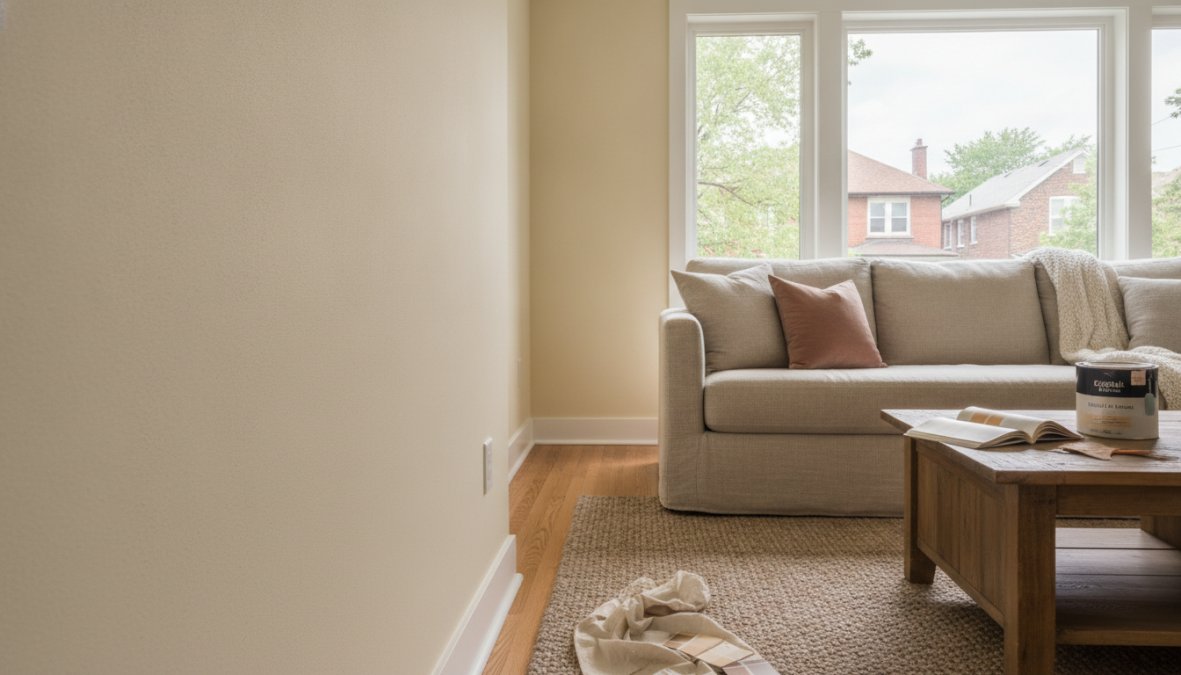
Paint finish is a performance specification, not just an aesthetic preference. Match the sheen level to your traffic patterns, lighting, and wall condition before you choose a color.
Eggshell vs Satin Paint Finish: Which One Wins in the Living Room?
The eggshell vs satin paint finish debate comes down to one thing: who lives in your home.
Eggshell finish sits at roughly 10-25% gloss. It produces a soft, low-luster appearance that reflects just enough light to feel warm without exposing wall texture or roller marks, and cleans up reasonably well with a damp cloth.
Satin finish runs at approximately 26-40% gloss. The extra sheen makes satin noticeably more durable and washable, but it amplifies light, highlighting dips, bumps, or patched drywall.
| Finish | Gloss Level | Washability | Hides Imperfections | Best Living Room Use |
|---|---|---|---|---|
| Flat/Matte | 0-5% | Low | Excellent | Formal, low-traffic rooms |
| Eggshell | 10-25% | Moderate | Good | Most living rooms |
| Satin | 26-40% | High | Moderate | Family rooms, high-traffic areas |
| Semi-Gloss | 41-69% | Very High | Poor | Trim, baseboards, cabinets |
| High-Gloss | 70%+ | Excellent | Very Poor | Accent walls, doors |
Young children, pets, or a high-traffic family room favor satin’s washability. A quieter, more formal space benefits from eggshell’s softer aesthetic and better coverage over imperfections. According to Benjamin Moore’s interior paint guidance, eggshell is the most commonly recommended finish for living rooms because it balances cleanability with a refined appearance.
Paint brand matters as much as sheen level. Benjamin Moore’s Regal Select Interior in Eggshell includes proprietary Stain Release Technology, making it significantly more washable than a generic eggshell. Quality paint is not the place to cut costs.
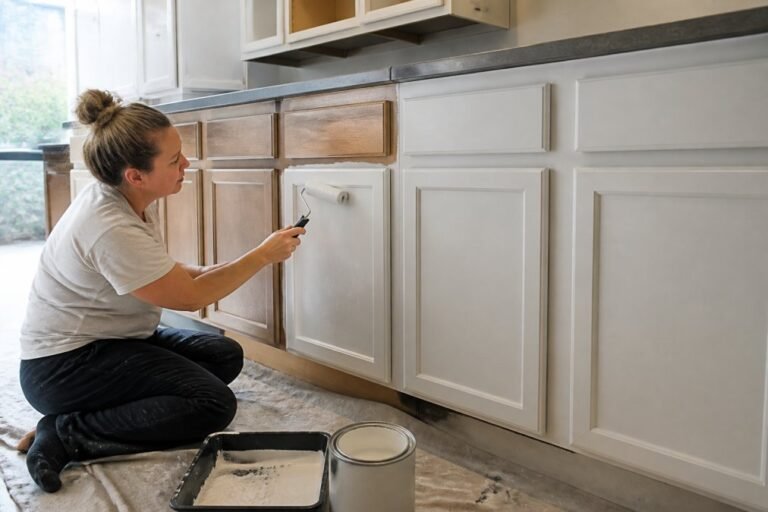
If you’re unsure between eggshell and satin, go eggshell on walls and satin on trim, baseboards, and cabinets. This creates natural contrast and puts the more durable finish exactly where you need it most.
Paint Finish Durability Guide: Choosing the Right Finish for Your Lifestyle
Paint finish durability is the product of sheen level, paint quality, surface preparation, and application method working together.
Sheen level and durability are directly linked. Higher gloss levels contain more resins relative to pigment, forming a harder film that repels contaminants. For living rooms, here’s how durability stacks up:
- Flat/Matte: Marks easily, difficult to clean without removing pigment. Best for low-traffic or formal spaces.
- Eggshell: Handles light cleaning well. Holds up to normal family use for years with proper prep.
- Satin: The durability workhorse. Resists scuffs, fingerprints, and moisture better than eggshell.
- Semi-gloss: Extremely durable and moisture resistant. Too reflective for large walls; ideal for trim, doors, and cabinets.
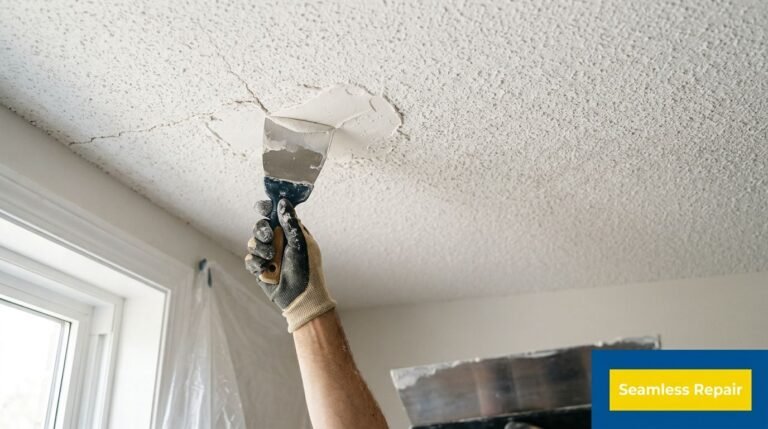
Surface preparation is the factor most homeowners underestimate. Even the most durable satin finish will peel prematurely if applied over poorly cleaned walls. Proper prep includes filling cracks, sanding rough spots, priming bare patches, and ensuring surfaces are clean and dry.
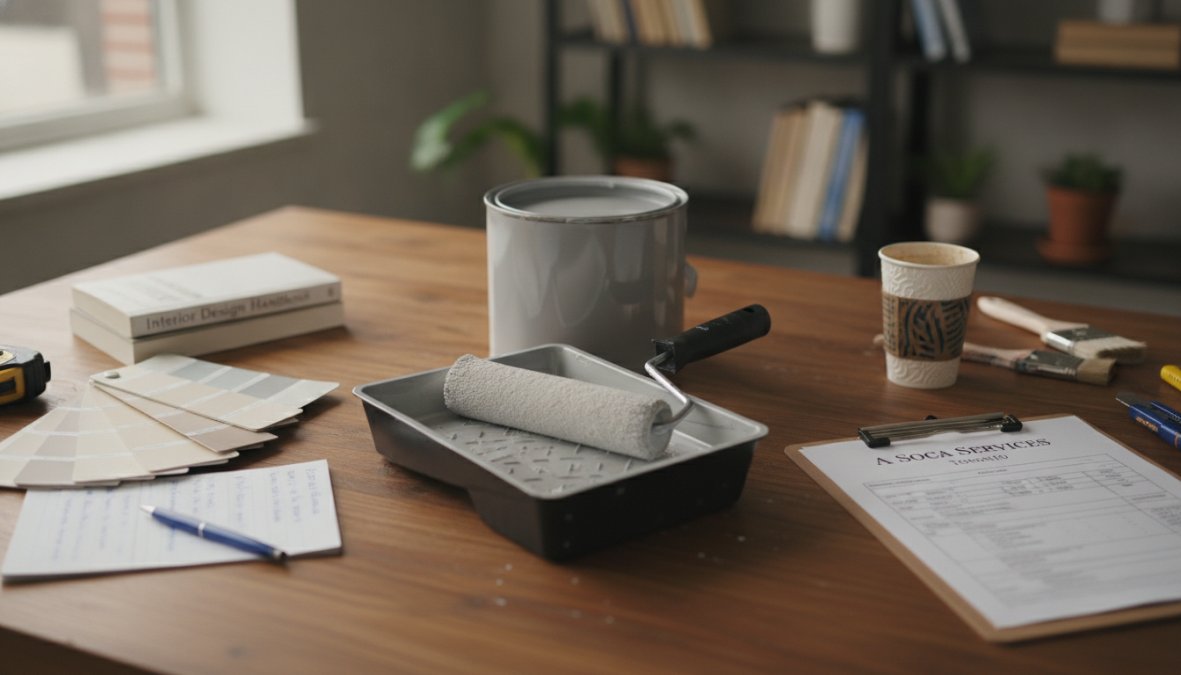
Application method also affects durability. Spray painting produces a more uniform film thickness than brush or roller application. According to Sherwin-Williams interior paint resource center, cross-linking technology in premium paints like Duration Home Interior creates a film that bonds more tightly to the substrate, this is why professional-grade paints genuinely outperform budget alternatives.
Eco-friendly and Low-VOC finishes don’t sacrifice durability. Clare Interior Eggshell (zero-VOC, GREENGUARD Gold Certified) and Benjamin Moore Aura Interior perform comparably to conventional paints. For households with young children or paint-odor sensitivities, zero-VOC options are worth the premium.
Never skip primer on patched or bare drywall sections. Skipping primer causes uneven sheen absorption, creating visible “flashing” where patched areas appear duller than surrounding walls even after two coats.
How to Clean Matte Paint Walls Without Damaging the Finish
Matte finishes are beautiful on imperfect walls but fragile to clean. Knowing how to clean matte paint walls correctly extends the life of your finish significantly.
Matte finishes have low resin content and a porous surface. Aggressive scrubbing breaks down the paint film and creates shiny patches called burnishing, once burnished, the only fix is repainting.
Safe cleaning method for matte paint walls:
- Dust the wall first with a dry microfiber cloth to remove loose particles.
- Mix a small amount of mild dish soap with lukewarm water. Avoid abrasive cleaners, vinegar, or anything acidic.
- Dampen (not soak) a soft sponge or microfiber cloth. Wring it out thoroughly.
- Use gentle circular motions with minimal pressure. Do not scrub.
- Rinse the area with a clean, barely damp cloth to remove soap residue.
- Pat dry immediately with a soft towel. Do not let water sit on a matte surface.
Always test any cleaning method on an inconspicuous area first.
When cleaning won’t work: Spot touch-ups are often the more practical solution. Matte finishes are uniquely forgiving for touch-ups because the low luster makes blended patches nearly invisible, unlike satin or semi-gloss where touched-up areas appear shinier than surrounding walls.
As noted in the Painting and Decorating Contractors of America’s maintenance guidance, the ambiance and color depth of flat and matte finishes are worth preserving with proper care routines. For living rooms in King City or North York where natural light is strong, a matte finish paired with a careful cleaning routine delivers beautiful color depth without highlighting every bump in the drywall.
Choosing the right interior paint finish involves balancing aesthetics, durability, and the realities of daily life in your home. If you’re ready to get it right the first time, Soca Services Painting brings over a decade of experience to residential and commercial projects across Toronto, Vaughan, North York, and King City. From detailed surface preparation to precise spray application and a stress-free 4-step process, the team ensures your finish performs as well as it looks. Get Your Free Estimate Today.
Frequently Asked Questions
Is eggshell or satin better for living room walls?
Both are excellent choices for the best interior paint finish for living rooms, but the right pick depends on your lifestyle. Eggshell offers a softer, low-luster look that hides minor wall imperfections well and suits formal or low-traffic spaces. Satin has a slightly higher gloss level, making it more washable and moisture resistant, ideal for busy households with kids or pets. In most Toronto homes, eggshell is the go-to for aesthetics, while satin wins on durability and ease of cleaning.
What is the most durable paint finish for a living room?
According to our paint finish durability guide, satin and semi-gloss finishes offer the highest durability for living rooms. Satin resists scuffs and is easy to wipe clean, making it great for high-traffic areas. Semi-gloss is even tougher but reflects more light, which can highlight wall imperfections. For most living rooms, satin strikes the best balance between durability and aesthetics. Premium paints like Sherwin-Williams Emerald or Benjamin Moore Aura in satin deliver long-lasting, washable results.
Does flat or matte paint hide imperfections better than eggshell?
Yes, flat and matte finishes absorb light rather than reflecting it, which makes them the best choice for hiding surface imperfections like dents, patches, or uneven texture on living room walls. Eggshell has a slightly higher sheen level that can draw attention to bumps under certain lighting. If your walls aren't perfectly smooth, a matte or flat finish is the smarter aesthetic choice, though keep in mind these finishes are less washable than eggshell or satin options.
How do I clean matte paint walls without damaging the finish?
Cleaning matte paint walls requires a gentle approach. Use a soft, damp microfibre cloth and mild dish soap diluted in warm water. Avoid scrubbing aggressively, dab or blot stains instead of rubbing, which can burnish the surface and create shiny spots. Never use abrasive cleaners or magic erasers on matte finishes. For tough marks, test your cleaning method on a hidden area first. Regular dusting with a dry cloth also helps maintain the finish between deeper cleans.
Can you use semi-gloss paint in a living room?
Semi-gloss is rarely the best interior paint finish for living room walls because its high light reflection tends to highlight every imperfection, bumps, patches, and roller marks become very visible. However, semi-gloss works beautifully on living room trim, baseboards, and cabinets, where its durability and easy-clean surface shine. If your living room walls are in excellent condition and you want a bold, dramatic look, semi-gloss can work, but most professionals recommend eggshell or satin for the walls themselves.
This article was written using GrandRanker