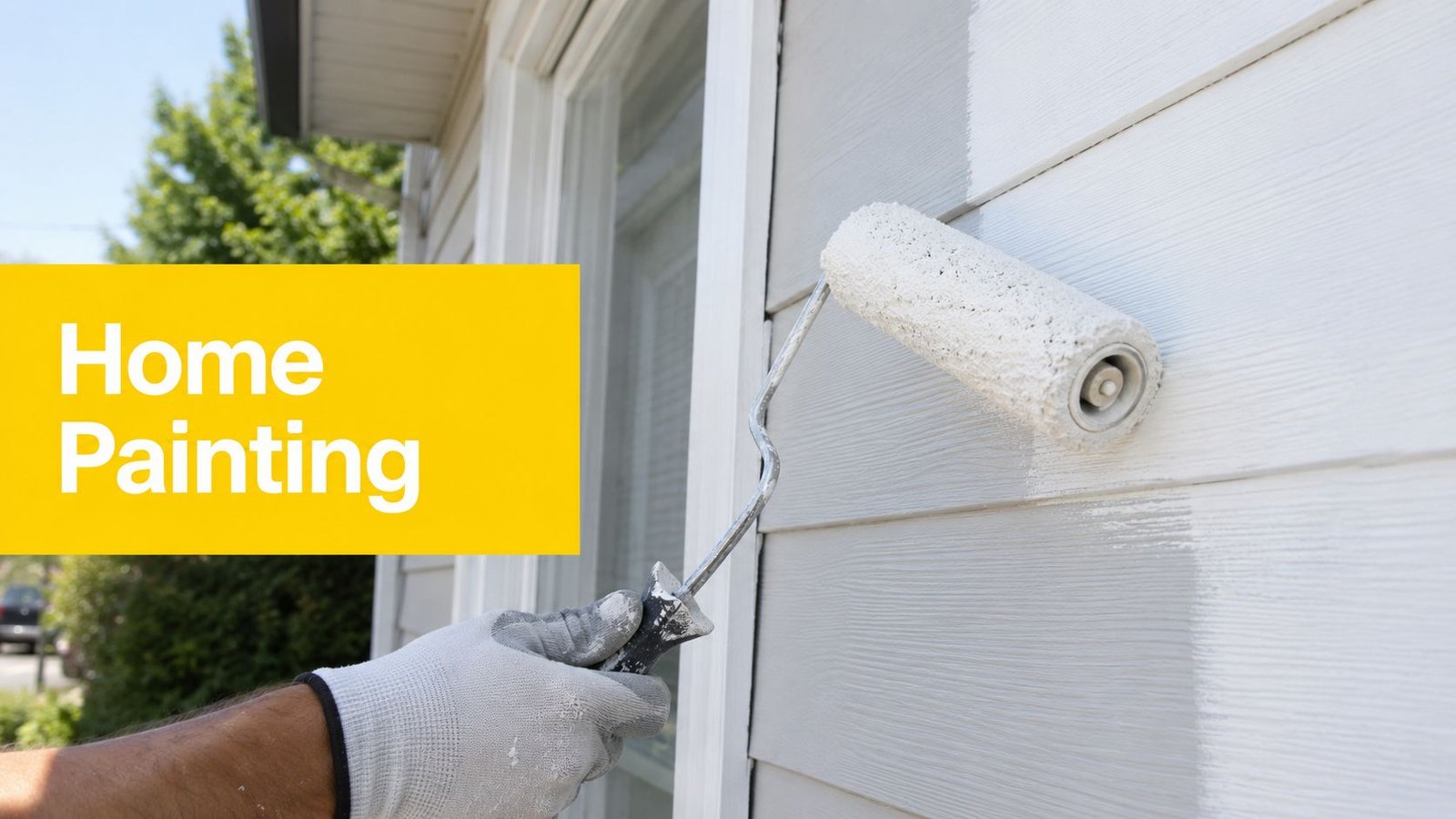
You've just moved the furniture back into a freshly painted living room. The colour looks right, the walls feel cleaner, and for a moment the project seems finished. Then you notice a rough patch beside the window, a faint roller edge in the hallway, or trim that still feels tacky days later. That's when most homeowners realise home painting in Mississauga isn't a colour decision. It's a decision about preparation, moisture, air quality, timing, product selection, and who will be responsible when the finish fails.
A good repaint should look quiet and effortless. The edges should be crisp, the sheen should remain consistent, and the coating should hold up to everyday cleaning and Ontario weather. Soca Services Painting works across Mississauga and the GTA, including Toronto, Vaughan, North York, and King City, with a focus on organised preparation and durable finishes rather than rushed coverage.
Why Home Painting in Mississauga Is a Bigger Decision Than It Looks
A homeowner in Port Credit may choose a soft neutral before listing a property, while a family in Erin Mills may repaint after years of fingerprints, furniture marks, and sun exposure. Both projects involve rollers and brushes, but they don't have the same risks or scope. The first needs a resale-friendly finish delivered on schedule. The second may need extensive patching, stain blocking, trim work, and a washable coating that can survive daily use.
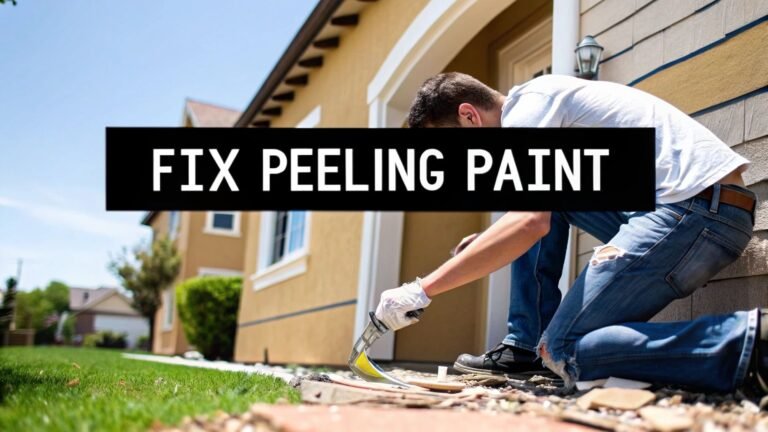
Mississauga homes also sit in a demanding climate. Moisture from Lake Ontario, humid summer air, wet shoulder seasons, and winter heating all affect how paint spreads, dries, and cures. Exterior trim faces additional stress from rain, snow, and freeze-thaw movement. A coating that looks acceptable on application day can peel early if the surface wasn't cleaned, dried, sealed, and primed correctly.
Contractor's rule: Colour gets attention, but preparation determines whether the job still looks good after the first heating season.
Air quality deserves equal attention. In newer subdivisions near the Highway 403 and 401 corridors, occupied homes often have limited opportunities for natural ventilation, particularly during winter. Selecting a compliant low-odour product helps, but the crew still needs to control dust, manage airflow, and follow the manufacturer's thinning and application instructions.
The age of the home changes the risk
Older blocks in Mineola and Lakeview can contain layers of historic coatings that require more than cosmetic preparation. If a surface may contain lead-based paint, sanding and scraping can create a containment problem. Health Canada's guidance addresses the need for ventilation and careful handling of lead-based paint, so a responsible quote should identify substrate age and risk before work begins. Health Canada's lead-based paint guidance is a useful reference for homeowners assessing older surfaces.
Insurance and resale decisions also expose weak exterior work. After hail or storm damage, adjusters may inspect the condition of siding, trim, and other exposed components. A fresh coat won't conceal rotten wood, failed caulking, or water entry for long. Before selling in Port Credit, Erin Mills, or elsewhere in Mississauga, insist that the contractor separates cosmetic painting from repairs.
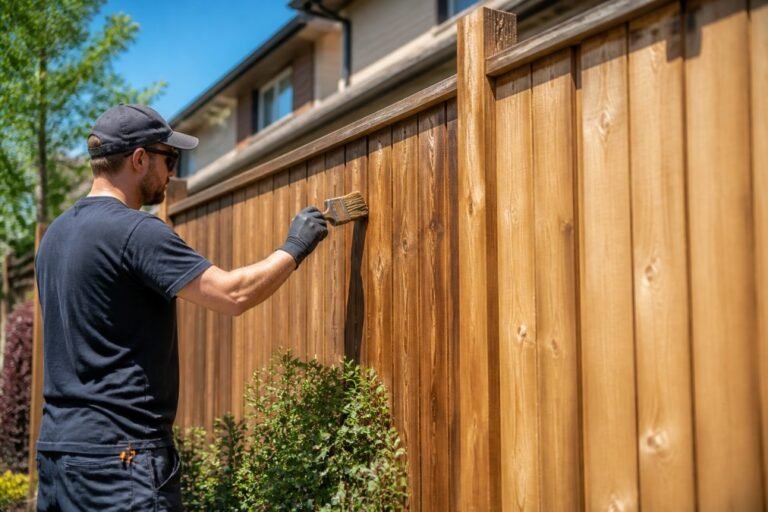
For exterior projects, preparation matters more than a fashionable colour. Proper preparation for long-lasting exterior paint means cleaning, scraping, repairing, sanding where appropriate, priming exposed areas, and sealing vulnerable joints before the finish coats go on.
Understanding Mississauga's Housing Stock and What It Means for Your Paint Job
A 1970s bungalow in Applewood does not receive the same preparation as a newer townhouse in Churchill Meadows. Mississauga's housing mix makes the building profile the first painting decision, before colour or finish.
The 2021 Census recorded 717,961 residents living in 244,575 occupied private dwellings, with 254,089 total private dwellings in the city, according to Statistics Canada's Mississauga census profile. The city includes 90,660 single-detached homes, 26,855 semi-detached homes, and 34,455 row houses. That range means a quote based only on floor area misses important preparation and access differences.
Ownership also shapes the brief. Mississauga had 172,220 owner households and a 70.4% homeownership rate, so many projects involve long-term maintenance, updates, or preparation for sale. A contractor should identify the home's age, exterior material, interior layout, and previous coating condition before setting the scope.
Three housing profiles, three preparation plans
An established bungalow or side-split from the 1960s to the 1980s often has stucco, aluminum siding, and wood trim. These surfaces require substrate testing, oxidation removal, repairs, and careful priming. Aluminum frequently develops chalking, while textured stucco holds dirt and moisture. Washing alone does not make either surface paint-ready.
A 1990s or 2000s suburban two-storey commonly combines vinyl siding, brick, and composite or wood trim. Exterior preparation is usually more controlled, but interior trim, drywall patches, stairwells, and numerous door openings often drive labour. Vinyl still needs cleaning and an adhesion check before coating.
Newer detached and attached homes typically use vinyl, fibre cement, or composite trim. Their paint scope is lighter only when builder-grade drywall, shrinking caulk, and earlier touch-ups are in good condition. Inspect those areas first. Quick construction does not guarantee a quick repaint.
Interior floor area tells only part of the story. Built-ins, vaulted ceilings, open-plan transitions, window openings, and stairwells increase cutting and rolling time. Tree-lined streets add exterior labour because crews must remove leaves, sap, moss, and other organic debris before washing and coating.
Homes with heritage-sensitive details need a contractor who understands older materials and decorative features. Soca Services' guide to painting heritage homes in Ontario explains why those surfaces require a different approach from standard subdivision work.
Detailed Cost Breakdown for Interior and Exterior Painting in Mississauga
A painting quote is only useful when it shows what the crew will do. Compare labour, materials, preparation, access, and cleanup as separate items. A low total that leaves out repairs, primer, or protection is not a bargain. It is an incomplete scope.
For a four-bedroom interior repaint, read the estimate line by line. Preparation: $800–$1,200, covering cleaning, patching, sanding, caulking, spot priming, and floor or furniture protection. Walls and ceilings: $1,500–$2,200, depending on coverage, colour changes, and the condition of the existing finish. Trim and doors: $900–$1,400, including detailed brushing, sanding between coats where required, and hardware protection. Closets, stair areas, and minor repairs: $400–$800 when those areas are included in the scope. These figures are editorial benchmarking ranges, not verified market statistics. Use them to test whether a quote explains its work, then request a site-specific estimate.
Old wallpaper residue, nicotine staining, water marks, damaged drywall, and uneven coatings increase preparation time. Stained ceilings require stain-blocking primer, not another quick coat of ceiling paint. Ask whether the quote includes walls, ceilings, trim, doors, closets, accent walls, and repairs before comparing totals.
A professional estimate should spell out the following:
- Surface preparation: Cleaning, patching, sanding, caulking, spot priming, and protection of floors and furnishings.
- Application labour: Cut-and-roll work, back-rolling where needed, second coats, and detailed trim application.
- Materials: Primer, finish paint, caulking, patch compound, masking materials, abrasives, rollers, brushes, and protective coverings.
- Access and setup: Furniture movement, stairwell access, ladders, scaffolding where required, and daily site organisation.
- Final delivery: Touch-ups, masking removal, debris collection, and a walkthrough.
Exterior pricing needs the same discipline. List siding, stucco, soffits, fascia, eaves, shutters, garage doors, decks, railings, and fences separately. Two-storey access changes the labour plan, especially around rooflines, dormers, and narrow side yards. Scaffolding, peeling coatings, wood rot, and difficult access should appear as defined costs, not vague allowances.
Do not accept a quote that hides setup costs. Caulking, primer, scaffolding, disposal, and surface repairs are real inputs. Contractors who exclude them win the job on paper and then issue change orders once work starts.
For a broader GTA comparison, review interior versus exterior house-painting costs in Toronto and the GTA. Compare scope first, then compare the final total.
Project Timelines and Seasonal Timing for Mississauga Paint Jobs
A Mississauga interior repaint that looks like a two-day job can easily become several working days once protection, repairs, drying, recoating, detailing, and cleanup are included. A contractor promising two days may be counting application only. Rushed patching and paint applied over a tacky surface will show after the crew leaves.
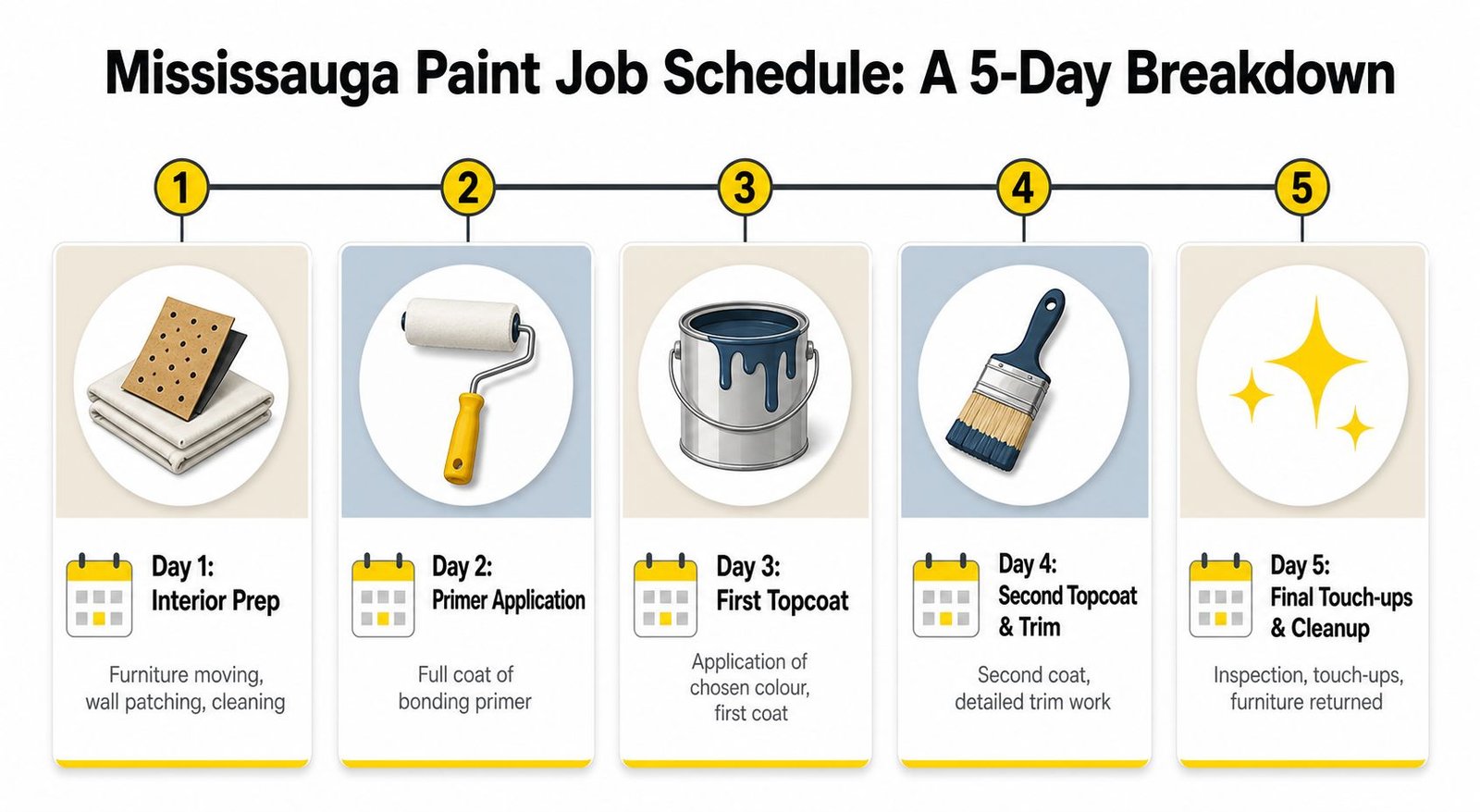
The 5-day interior schedule shown here reflects the sequence most Mississauga contractors follow: protection and prep, primer, two finish coats, then inspection and handover.
A realistic interior sequence
Day one starts with protection and preparation. The crew moves or covers furniture, protects floors, removes suitable hardware, cleans surfaces, patches defects, sands repairs, and caulks visible gaps. This stage determines how smooth the finished walls will look.
Day two may involve primer. Bonding primer helps difficult surfaces accept paint, while stain-blocking primer handles nicotine, tannin, or water marks. Primer should match the substrate and the problem. A blanket promise that “everything gets primed” is not a proper specification.
Days three and four cover finish application. The first topcoat establishes colour and coverage. The second improves uniformity, followed by trim, doors, edges, and detailed corrections. Manufacturer guidance for Canadian interior latex products lists touch-dry times around 1 to 2 hours, minimum recoat times around 4 to 6 hours, and full cure around 14 days. Drying can take substantially longer when relative humidity exceeds 50%. This GTA interior paint-drying guidance explains why stable indoor conditions matter.
Day five is for inspection and handover. The crew checks corners, transitions, trim lines, hardware areas, and missed defects before returning furniture. Keep HVAC running as agreed, and delay a coat if the surface remains tacky.
Choose the season, not just the date
Interior-only projects can proceed in any season if HVAC and humidity are stabilized. Interior-plus-exterior projects should target late spring through early autumn, with indoor access coordinated around rain-free exterior windows. Exterior-only work requires warm, dry weather outside the freeze-thaw window. July and August bring humidity spikes, April and October invite rain interruptions, and November through March is generally unsuitable for exterior painting.
Clear access and arrange pet care before the crew arrives. Quality crews can be booked six to eight weeks ahead between May and September, so schedule before the first warm weekend rather than treating weather as an afterthought. For practical guidance on planning exterior painting in the GTA around weather delays, build weather interruptions into the plan instead of forcing an unsuitable application day.
Comparing Paint Brands and Finishes for Mississauga Homes
The right paint depends on the room, surface, and cleaning demands. A hallway needs scrub resistance, a bathroom needs a coating suited to humid conditions, and a low-use ceiling rarely needs the same product as a family room. Choose the product by performance, not by whichever brand has the largest retail display.
Match the product to the room
Hallways and high-traffic areas: Sherwin-Williams Duration or Benjamin Moore Regal in satin. Both suit busy circulation areas where walls need regular cleaning and a finish that hides minor surface variation.
Kitchens and bathrooms: Sherwin-Williams Emerald or Benjamin Moore Aura in semi-gloss for washability. These premium lines are a strong choice for demanding rooms, but ventilation and moisture repairs still matter. Paint will not correct a leaking fixture, failed caulking, or poor exhaust.
Living rooms and bedrooms: Benjamin Moore Regal, Sherwin-Williams Duration, Dulux Diamond, or Behr Premium Plus in eggshell. Eggshell gives many Mississauga homes a practical balance between appearance and cleanability.
Ceilings: Use a flat finish. Apply stain-blocking primer to marked surfaces before painting, especially where water stains, smoke residue, or old tannin bleed could show through.
Trim, doors, crown moulding, and moisture-prone details: Choose satin or semi-gloss. Flat paint hides irregularities well, but it is a poor choice for surfaces that require frequent washing.
Ceramic-enriched acrylics are a strong choice for scuff-prone rooms. On older stucco, elastomeric coatings are a proven option where movement and hairline cracking require flexibility. Standard 100% acrylic suits stable, properly prepared surfaces.
The finish is only as reliable as the preparation beneath it. Glossy surfaces need proper deglossing or adhesion primer, patched areas need sanding, and stained surfaces need the correct primer. A premium product applied over dust, grease, or unstable old paint will still fail.
Compare the actual product line
Benjamin Moore Regal and Aura, Sherwin-Williams Duration and Emerald, Dulux Diamond, and Behr Premium Plus can all work in GTA homes. Their results vary with surface preparation, application method, colour, sheen, and indoor conditions. Check the current product label and technical data sheet for VOC content, coverage, warranty terms, and approved uses rather than relying on a brand name alone.
Homeowners comparing the two major premium lines can review this Benjamin Moore versus Sherwin-Williams comparison. Use it as a starting point, then base the final choice on the room's exposure, existing surface, cleaning requirements, and finish expectations.
How to Hire and Evaluate Mississauga Painting Contractors
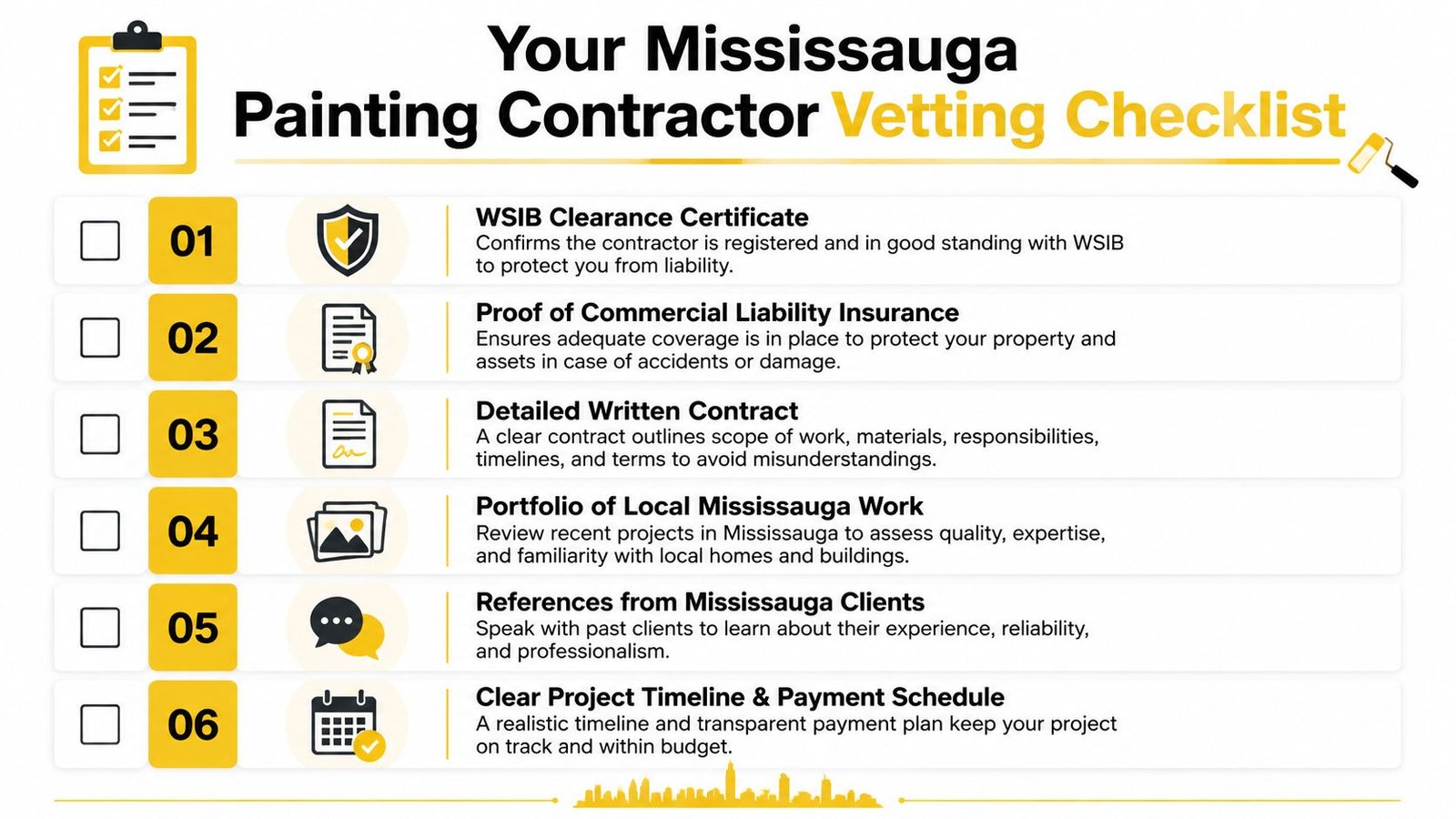
Treat the first meeting as a contractor interview, not a sales presentation. A legitimate Mississauga painter should be willing to provide a WSIB clearance certificate, proof of commercial general liability insurance with at least $2 million in coverage, and either a City of Mississauga business licence or a registered HST number. Verify documents rather than accepting verbal assurances.
Ask who will be on-site, whether the work is performed by employees or subcontractors, and who supervises the crew. Then ask how the contractor prices preparation. “Two coats included” means little if patching, sanding, caulking, stain blocking, or adhesion primer appears later as an extra.
Questions that expose weak estimates
- Product specification: Which brand and exact product line will you use in each room?
- Primer decision: Is primer included, and where will the crew apply it?
- Preparation scope: What happens to cracks, nail pops, wallpaper residue, stains, glossy surfaces, and damaged trim?
- Coat count: How many finish coats are included, and what happens if the colour doesn't cover evenly?
- Warranty language: Does the written warranty address peeling, blistering, or premature fading?
- Site responsibility: Who protects floors, controls dust, handles daily cleanup, and completes the final inspection?
A vague estimate is not a bargain. It's an unfinished scope of work.
Red flags include door-to-door solicitation after a storm, demands for full payment before work begins, cash-only invoicing, and a one-line estimate with no preparation details. Those practices can turn a $4,000 job into a $12,000 headache when the contractor disappears, surfaces fail, or every repair becomes a change order.
Score written quotes across the same categories: labour and materials, preparation, primer, number of coats, access equipment, repair allowances, protection, cleanup, warranty, payment schedule, and start date. The cheapest quote often stops looking cheap once you add the work that the better estimate already included.
Eco-Friendly Paint, Low-VOC Rules, and Lead-Safe Repainting
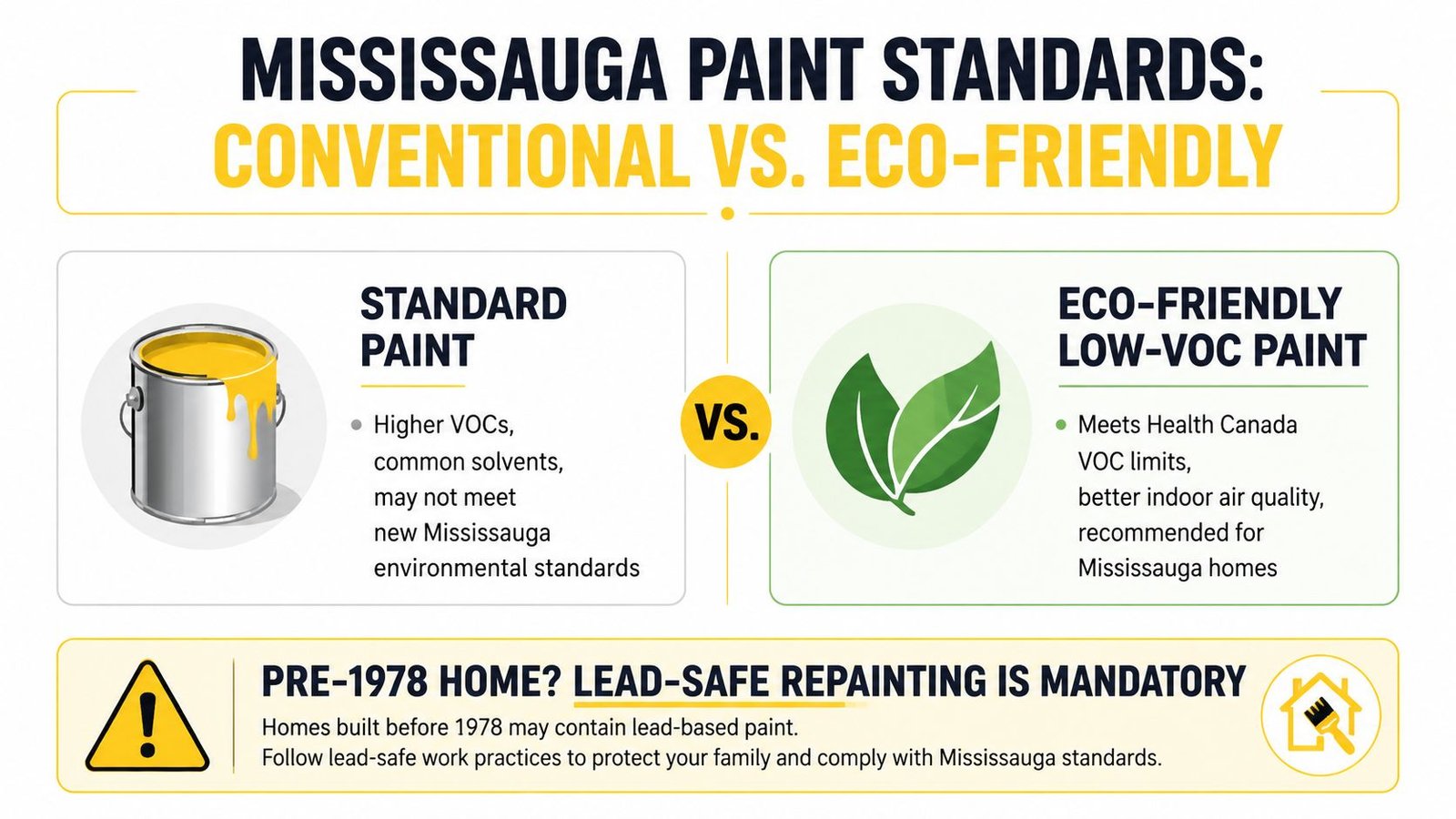
Low-VOC selection isn't a luxury upgrade in an occupied Mississauga home. Canada's architectural-coatings rules apply category-specific VOC limits across 53 coating classes, and those limits apply at the time of application, including after thinning. The federal architectural-coatings regulation makes clear that compliance involves more than choosing a can labelled “low odour.”
The federal limits vary by coating type, from 100 g/L to 800 g/L. Common residential categories include flat coatings at 100 g/L, non-flat coatings at 150 g/L, and high-gloss coatings at 250 g/L, as outlined in Canada's VOC concentration limits. The rule applies to manufacturing, importing, selling, and using architectural coatings, so the application method matters as much as the label.
Don't confuse low odour with complete risk control
Zero-VOC, low-VOC, and natural-paint claims aren't interchangeable. Ask for the technical data sheet, confirm the product category, follow thinning instructions, and plan ventilation around the household. Families managing asthma, children, pets, or same-day re-occupancy should discuss airflow, drying, and isolation before the crew starts. A portable VOC purifier for office may also help manage indoor air concerns in a separate work area, but it doesn't replace ventilation or correct application.
Pre-1978 surfaces require a separate assessment. Don't let anyone dry-sand suspicious layers without discussing testing, containment, dust control, and disposal. HEPA vacuuming, controlled work zones, and careful cleanup are appropriate topics for the quote, particularly in basements, rental units, and renovation areas.
Peel Region's household hazardous waste guidance should determine how leftover latex and alkyd paint gets handled. Never pour paint into a drain or leave unlabelled containers for a future occupant. A contractor should also explain how the crew will protect occupied rooms and keep dust away from HVAC pathways.
Real Mississauga Projects, Warranties, Permits, and Your Next Step
The right painting plan becomes easier to understand when you compare properties by condition rather than by room count. A Meadowvale two-storey with sound drywall needs a different sequence from a Port Credit stucco exterior with failing trim. A Lakeview bungalow updating one kitchen and an accent wall may need careful finish control, not a full-home production crew.
The profiles below are representative planning examples. The price bands are intentionally left for a site-specific estimate because verified project data doesn't establish reliable dollar ranges for these properties.
| Project Type | Home Profile | Scope | Products Used | Duration | Price Band (CAD) |
|---|---|---|---|---|---|
| Full interior repaint | 1990s Meadowvale two-storey | Walls, ceilings, trim, doors, stair areas, repairs | Interior acrylic, bonding primer where required | Several working days, subject to repairs and drying | Site-specific written estimate |
| Exterior refresh | Port Credit heritage-area stucco home | Stucco cleaning, trim repair, rot repair, caulking, finish coats | Masonry-compatible primer and exterior acrylic or elastomeric system as specified | Weather-dependent multi-day project | Site-specific written estimate |
| Focused interior update | Lakeview bungalow | Accent wall and kitchen-cabinet refinish | Interior wall coating and cabinet-rated system | Shorter focused project, subject to prep | Site-specific written estimate |
Read the warranty before you read the headline price
A credible warranty should explain coverage for peeling, blistering, and premature fading, along with the conditions that void coverage. Substrate movement, moisture damage, leaks, and customer-supplied paint commonly fall outside warranty protection. GTA contractors may offer coverage tiers from 2 to 5 years, but the duration matters less than the written exclusions and the contractor's willingness to inspect a complaint.
Most interior repainting and same-colour exterior repainting generally don't require a building permit in Mississauga. Structural repairs, siding replacement, or work involving heritage-designated properties can change that assessment. Ask the municipality or qualified professional when the project includes more than surface coating.
A Soca Services in-home estimate should begin with a walkthrough, surface assessment, colour and product discussion, preparation notes, access requirements, schedule, payment terms, and a written scope. The deposit and booking process should be clear before you commit, and every extra should require approval rather than appearing after completion.
Soca Services Painting provides organised interior and exterior painting for Mississauga homeowners, property managers, commercial clients, and renovation partners, with scope built around preparation, product selection, and local conditions. Visit Soca Services Painting to request a free estimate and discuss the right plan for your home painting project.