

If you're wondering about the cost to paint your home in Toronto, you're in the right place. An objective look at the numbers shows that for a standard interior painting job, you can expect to pay between $2.00 to $5.00 per square foot. For exterior painting, the price for siding typically falls between $1.50 and $4.50 per square foot.
These figures are a solid baseline. The final quote will depend on the specifics of your project, whether you're searching for painters "near me" in downtown Toronto or looking for the best team in Mississauga.
Your Quick Guide to Painting Costs in the GTA
Trying to budget for a painting project can feel complex. Whether you're refreshing a condo in Toronto or planning a makeover for your family home in Mississauga, understanding the typical price range is crucial. A professional quote isn't just about paint; it includes skilled labour, detailed prep work, and quality materials.
To give you a clearer picture, let's examine the numbers. While every home is unique, these estimates provide a realistic idea of what to expect as a homeowner in the Greater Toronto Area (GTA).
Average Painting Cost Estimates for the GTA
Here’s a table that breaks down what you can generally expect to pay for the best professional painting services in Toronto and surrounding areas like Mississauga. Keep in mind that the final quote can shift based on factors like wall condition or job complexity.
| Project Type | Average Cost per Square Foot | Estimated Cost for 1,500 sq ft Home |
|---|---|---|
| Interior Painting | $2.00 – $5.00 | $3,000 – $7,500 |
| Exterior Painting | $1.50 – $4.50 | $2,250 – $6,750 |
These figures are specific to our region. For comparison, a homeowner in California might see interior painting costs run from $2,000 to $7,000, with exterior jobs climbing as high as $10,000 due to higher local labour and material prices.
A detailed, itemized quote is your best tool in this process. It should clearly separate costs for labour, materials, and any prep work, ensuring there are no surprises.
Ultimately, having these averages helps you confidently assess quotes and choose the best painter for your project.
Deconstructing Your Quote: Labour Versus Materials
When you receive a painting quote, it's easy to focus only on the final price. However, understanding its components helps you see the value. Every professional quote is built on two core elements: labour and materials.
Think of it like hiring a chef. You pay for more than just the ingredients; you're paying for skill and experience. In painting, the labour—the expertise of the painters—is the largest component, typically accounting for 70% to 85% of the total cost.
This structure is consistent across the industry, whether you're in Toronto or another major city. It reflects the cost of getting the job done right.
The True Cost of Skilled Labour
What does that labour cost cover? It's much more than just applying paint. A professional painter’s expertise ensures your paint job looks great and lasts for years.
Skilled labour includes several critical stages:
- Meticulous Prep Work: This is the foundation of a great paint job. It involves patching holes, sanding imperfections, caulking gaps, and taping edges for crisp lines.
- Expert Application: A professional knows how to achieve an even, streak-free finish using the best techniques and tools for every surface, from drywall to trim.
- Seamless Project Management: The best crews handle everything from moving furniture and protecting your floors to executing the job efficiently and cleaning up thoroughly.
The difference between a DIY job and a professional one often comes down to the preparation. A perfectly prepared surface is the foundation for a finish that doesn't just look incredible—it lasts.
Beyond the Paint Can: Materials Matter
While labour is the largest cost, materials make up the remaining 15% to 30% of your quote. Using cheap paint is a common mistake that can compromise an entire project. Professionals use trade-quality paints and supplies that offer superior coverage and durability.
This part of your quote covers more than just the paint:
- High-Quality Primers: Essential for ensuring proper paint adhesion, especially when covering dark colours or stains.
- Professional Tapes and Covers: The right supplies prevent sloppy edges and protect your floors, furniture, and fixtures.
- Specialized Tools: Professional-grade brushes, rollers, and sprayers are key to a flawless finish.
Understanding this breakdown helps you see what goes into painting costs and the true value that expert residential painting contractors in Toronto bring to your home. It's an investment in a beautiful, long-lasting result.
Key Factors That Influence Your Final Price
Ever wondered why a quote for painting a 1,500-square-foot house in Toronto can differ significantly from one for a similar-sized home in Mississauga? The answer lies in the details. A professional painting quote is more than a simple square-footage calculation; it’s an assessment of your space's unique requirements.
Several key variables directly impact how much a painting project will cost. Understanding these factors helps explain why one job may be quick, while another requires more time, skill, and resources. These are the details that define the scope of the project.
Interior Versus Exterior Projects
The most obvious distinction is whether the work is inside or outside. Exterior painting presents unique challenges. Painters must contend with weather, work safely at heights, and use specialized paints designed to withstand Toronto’s varied seasons.
While interior work might seem simpler, its own set of variables can significantly affect the final price.
Job Complexity and Architectural Details
Imagine two living rooms of the exact same size. One is a modern condo with simple, flat walls. The other is a classic Toronto home with 12-foot ceilings, ornate crown moulding, and intricate trim. The latter will cost more to paint.
The complexity of a space is a huge cost driver. Details like trim, baseboards, window frames, and doors demand incredible precision, which dramatically increases the time spent on taping, cutting in, and careful brushwork.
This meticulous labour adds hours—and dollars—to the job. Even painting an accent wall or built-in shelving requires more setup and care than rolling four plain walls.
Surface Condition and Prep Work
The condition of your walls is a major factor. No reputable painter will simply apply a fresh coat over damaged surfaces. The amount of prep needed is a significant part of your final cost.
This crucial prep phase can include:
- Drywall Repair: Filling nail holes, patching dents, or repairing larger sections of damaged drywall.
- Sanding and Smoothing: Ensuring every surface is perfectly smooth for a flawless finish.
- Wallpaper Removal: A time-consuming and messy job that must be completed before priming or painting.
- Popcorn Ceiling Removal: An intensive job that adds considerable labour and cleanup time. You can learn more in our guide on the cost to remove a popcorn ceiling.
Each of these steps adds to the labour hours and, consequently, the project's bottom line. A home with pristine walls will always be cheaper to paint than one requiring extensive prep work.
How Your Choice of Paint Affects the Budget
Choosing paint is like choosing tires. A budget option works, but a premium set offers better performance and longevity. The type and finish of paint you choose have a significant impact on your project's final cost, both now and in the long run.
The price of paint reflects the quality of its ingredients, from pigments that provide rich colour to binders that ensure durability. A higher-quality paint often provides better coverage, potentially saving money by requiring fewer coats, and results in a finish that stands up to daily life.
Unpacking Paint Finishes and Types
When selecting paint, you'll choose a finish (sheen level) and a type (composition). Each combination has a specific purpose, price, and ideal location in your home.
- Matte (Flat) Finish: Best for hiding minor imperfections on walls due to its lack of shine. It's typically the most budget-friendly but is the least durable and difficult to clean, making it suitable for low-traffic areas like ceilings.
- Eggshell & Satin Finishes: These are highly popular, offering a slight sheen that balances durability with a sophisticated look. They are much easier to clean, making a satin finish a smart choice for high-traffic zones like hallways, kids' rooms, and kitchens.
- Semi-Gloss & High-Gloss Finishes: With a noticeable shine, these are the most durable finishes. They are easy to clean, making them perfect for surfaces that endure heavy use, such as trim, doors, and cabinets.
Beyond the finish, the paint's base is typically latex (water-based) or acrylic/oil-based. Latex is standard for most interior walls due to its low odour and easy cleanup. For exterior jobs in Toronto, a tougher, specialized acrylic paint that can handle moisture and temperature shifts is essential for a long-lasting finish. For more details, explore our guide on the best interior paint for walls.
Investing in a premium, low-VOC (Volatile Organic Compounds) paint might add 10-20% to your material costs upfront. But you're getting better indoor air quality and a more durable finish that saves you from repainting sooner.
This objective comparison table breaks down common paint options.
Paint Finish and Type Cost Comparison
| Paint Finish/Type | Average Cost per Gallon | Best For | Durability |
|---|---|---|---|
| Matte (Flat) | $40 – $60 | Ceilings, low-traffic areas (e.g., closets) | Low |
| Eggshell | $45 – $70 | Living rooms, bedrooms, dining rooms | Medium |
| Satin | $50 – $75 | Kitchens, bathrooms, hallways, kids' rooms | High |
| Semi-Gloss | $55 – $80 | Trim, doors, cabinets, high-moisture areas | Very High |
| High-Gloss | $60 – $90+ | High-impact trim, furniture, front doors | Highest |
As shown, the price increases with durability and sheen. Matching the right paint to the right surface provides the best value.
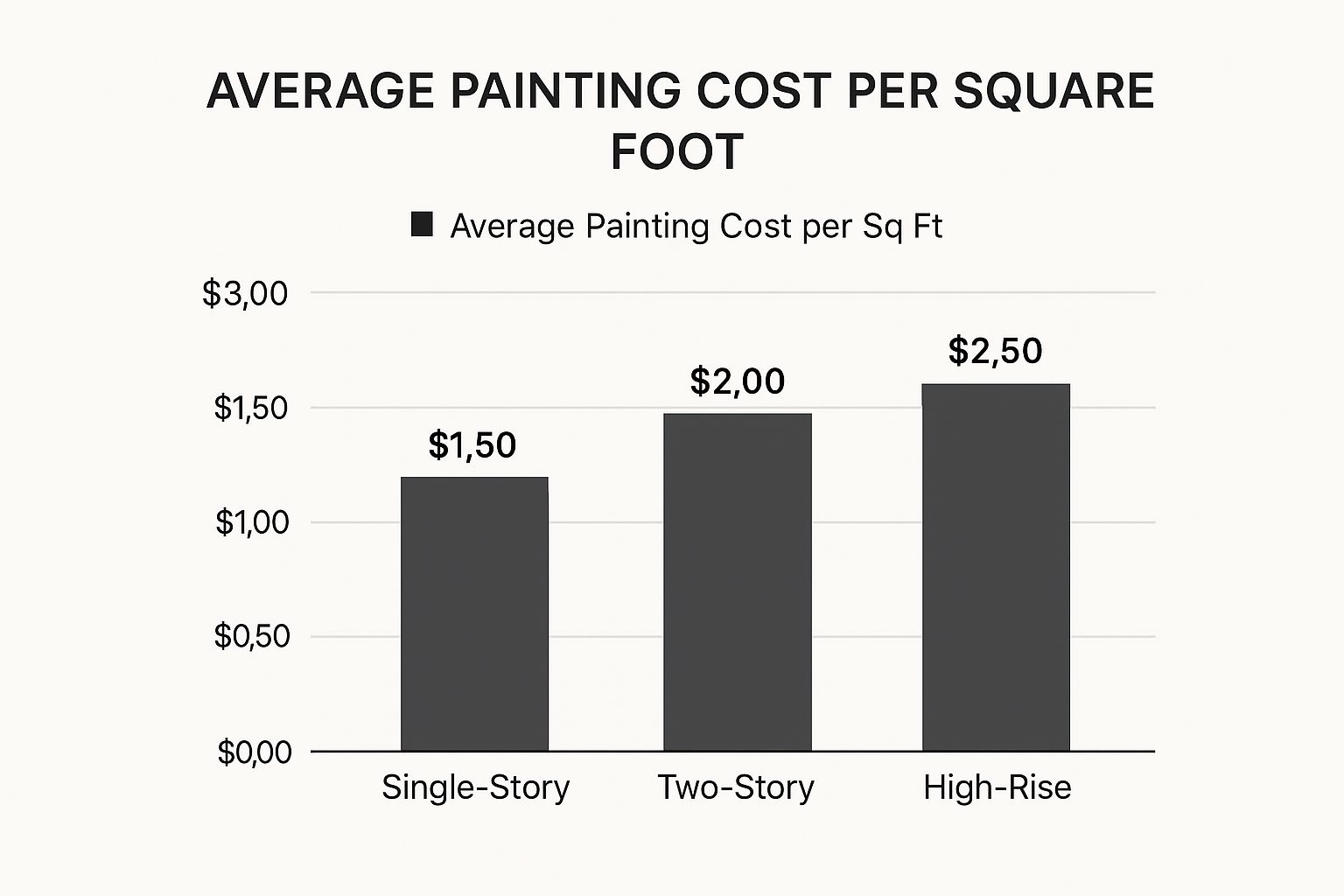
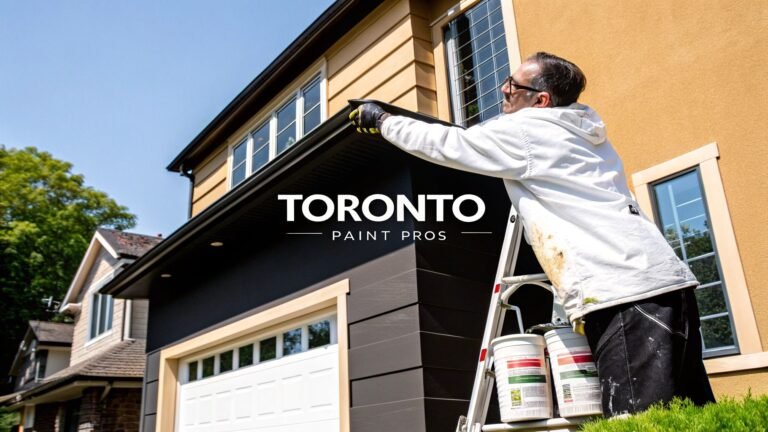
The image above highlights another key point: building type also affects cost. Taller buildings, for example, add complexity and are reflected in the price per square foot.
Navigating Painter Rates Across Toronto and the GTA
Why does a painting quote for a condo in downtown Toronto differ from the same job in Mississauga? The cost of professional painting varies across the Greater Toronto Area due to local economic factors.
Location plays a significant role in how much painting costs. A company based in a high-rent downtown area has higher overhead costs than one in a suburb. Factors like parking and workshop rent are factored into your quote.
Understanding Different Pricing Models
To properly evaluate quotes, you need to understand how painters structure their fees. The best Toronto painters are always transparent about their pricing.
You'll typically encounter one of these three pricing structures:
- Fixed Project Fee: This is the most common and preferred method. The painter assesses the entire job and provides a single, all-inclusive price, offering budget certainty.
- Per Hour Rate: Best for smaller jobs or projects with an uncertain scope, like extensive drywall repairs. In the GTA, hourly rates range from $50 to $100+ per painter.
- Per Day Rate: For larger, multi-day projects, some painters use a day rate. This clarifies the daily cost, but the final bill depends on the total number of days required.
A detailed, fixed-fee quote is usually a great sign. It indicates the company has thoroughly assessed the job and is confident in delivering on time and on budget.
This regional price variation is not unique to Toronto. In the San Francisco Bay Area, painters often charge between $3 and $6 per square foot for interiors due to stricter regulations and higher labour costs. You can learn more about these influences from these insights on regional painting price factors from greatbuildz.com.
Understanding these models allows you to compare quotes fairly, identify transparent estimates, and ensure you're getting the best value.
Getting the Best Bang for Your Buck
Now that you understand the components of a painting quote, you can make informed decisions to get the most value from your investment. Saving money doesn't mean sacrificing quality; it means being strategic.
A few practical steps can lead to significant savings on your final bill.
Smart Ways to Save on Your Painting Project
Planning ahead can make a big difference. By working with your painter to streamline the process, you can often reduce their labour hours—the largest part of the cost.
Here are a few actionable tips:
- Do a Little Prep Yourself: While you should leave major repairs to the pros, you can handle simple tasks. Moving furniture, taking down art and curtains, and removing outlet covers saves your painter time and you money.
- Bundle Your Projects: If you have multiple rooms to paint, do them all at once. Painters work more efficiently moving from one space to the next in a single job, often resulting in a better overall price.
- Book During the Off-Season: Painting demand is highest in spring and summer. If your project is indoors and your timeline is flexible, consider booking in the late fall or winter when painters may offer more competitive rates.
A word of caution: The objective is to find the best value, not the lowest price. An unusually low quote could indicate cheap materials or rushed prep work, which will cost you more in the long run.
Ultimately, the best strategy is to get at least three detailed, itemized quotes from reputable painters. Comparing them allows you to evaluate not just the final number, but also their approach, materials, and work breakdown. This helps you identify a true professional who offers a fair price for a quality, long-lasting finish.
Your Top Questions About Painting Costs Answered
Here are answers to some of the most common questions homeowners in the GTA have about painting costs.
What's the Ballpark Cost to Paint a Room in Mississauga?
For an average-sized bedroom (e.g., 10×12 feet) in Mississauga, the cost typically ranges from $450 to $800. This generally includes labour and two coats of quality paint on the walls.
This price can increase if walls require significant patching or if you include the ceiling, baseboards, and trim.
Can I Save Money by Buying the Paint Myself?
Surprisingly, buying your own paint is usually not the most cost-effective option. Professionals receive trade discounts on high-quality paints that provide better coverage and durability.
They are also experts at estimating the required quantity, preventing waste. Furthermore, when the painter supplies the materials, the entire job, including paint performance, is covered by their guarantee.
When a painter uses products they know and trust, they can confidently stand behind their work. It's the difference between just getting a paint job and getting a professional finish with a warranty.
How Much Extra Is It to Paint Ceilings and Trim?
Painting ceilings and trim adds to the cost because it is detailed, meticulous work. It requires careful cutting-in, extensive taping, and often different paint types (e.g., a durable semi-gloss for trim).
Adding these elements can increase the total project cost by 25% to 50%, depending on the amount and complexity of the trim. An itemized quote will break down these costs clearly.
Ready to see what the best professional paint job can do for your home? Reach out to Soca Services Painting for a clear, detailed quote. Let us show you the value of true quality. Head over to our website at https://www.socaservicespainting.com to get started.



4 Comments