Table of Contents
- Oil-Based vs Water-Based Paint: Key Differences
- Surface Preparation for Historic Homes
- Exterior Paint Durability in Toronto Climate
- Choosing the Right Paint for Your Historic Property
Last Updated: August 9, 2026
Oil-Based vs Water-Based Paint: Key Differences
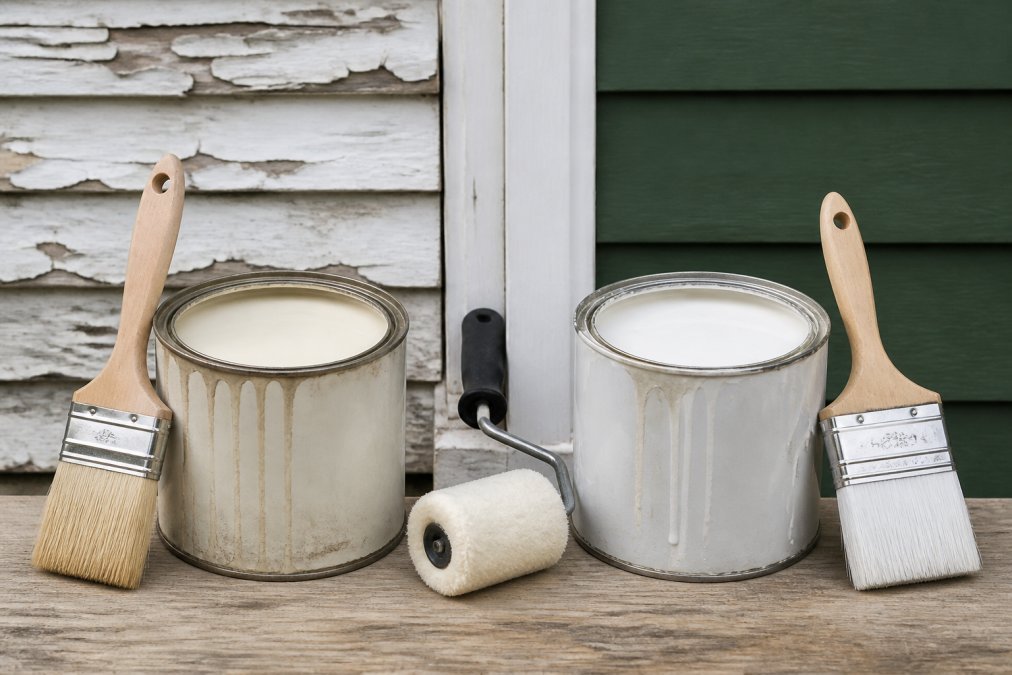
Oil-based vs water-based paint represents one of the most important decisions homeowners face when protecting historic exteriors in Toronto and across Ontario. Oil-based paints use alkyd resins dissolved in solvent, while water-based (acrylic latex) paints suspend acrylic polymers in water. This chemistry difference creates dramatic consequences for durability, adhesion, curing time, and how well the paint breathes on aging substrates.
For heritage properties, the choice affects not just aesthetics but the long-term integrity of your exterior wood. Historic homes often have substrates that move with temperature and moisture, and rigid, inflexible coatings can fail catastrophically.
Historic homes in Toronto’s climate experience significant seasonal movement. Paint that can’t flex with wood expansion and contraction will crack and peel within 3-5 years, regardless of brand quality.
Surface Preparation for Historic Homes
Proper surface preparation is non-negotiable for either paint type. For historic exteriors, you’re often dealing with multiple layers of old paint, potential lead contamination, and wood exposed to decades of weather stress.
Assess what you’re starting with. If your home was painted before 1978, assume lead paint is present. Lead paint requires specialized containment and remediation, this isn’t a DIY task. Professional painters in Toronto follow strict protocols for lead abatement. Disturbing lead paint without proper containment spreads toxic dust that poses serious health risks.
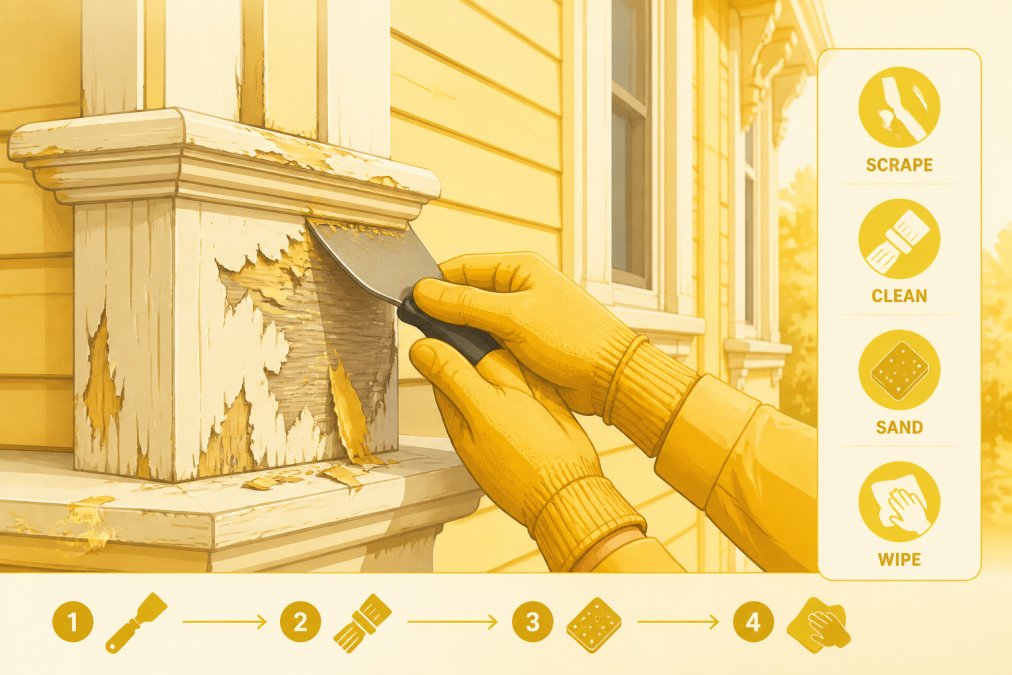
For non-lead substrates, follow these preparation steps:
- Scrape loose paint down to solid material
- Sand rough areas to create a smooth substrate
- Fill gaps and cracks with appropriate wood filler
- Prime bare wood with a quality primer matched to your topcoat type
- Clean thoroughly to remove dust, mildew, and debris
Oil-based paint penetrates deeper into wood grain, creating stronger mechanical adhesion. Water-based paint relies on proper primer and clean substrate for adhesion. Modern water-based urethane-modified alkyds (like Benjamin Moore Aura Grand Entrance and Sherwin-Williams Emerald Urethane Trim Enamel) bridge this gap, combining water-based convenience with oil-like adhesion and durability.
Exterior Paint Durability in Toronto Climate
Toronto’s climate creates specific challenges for exterior paint: significant temperature swings, freeze-thaw cycles, high humidity near Lake Ontario, and intense UV exposure.
Oil-based paints historically outperformed water-based alternatives here. They cure slowly (2-3 weeks for full hardness), creating a hard, flexible film that resists moisture penetration. The trade-off: oil-based paint yellows over time, especially on white or light colors. After 5-10 years, white oil-based trim can take on a distinctly cream or amber tone.
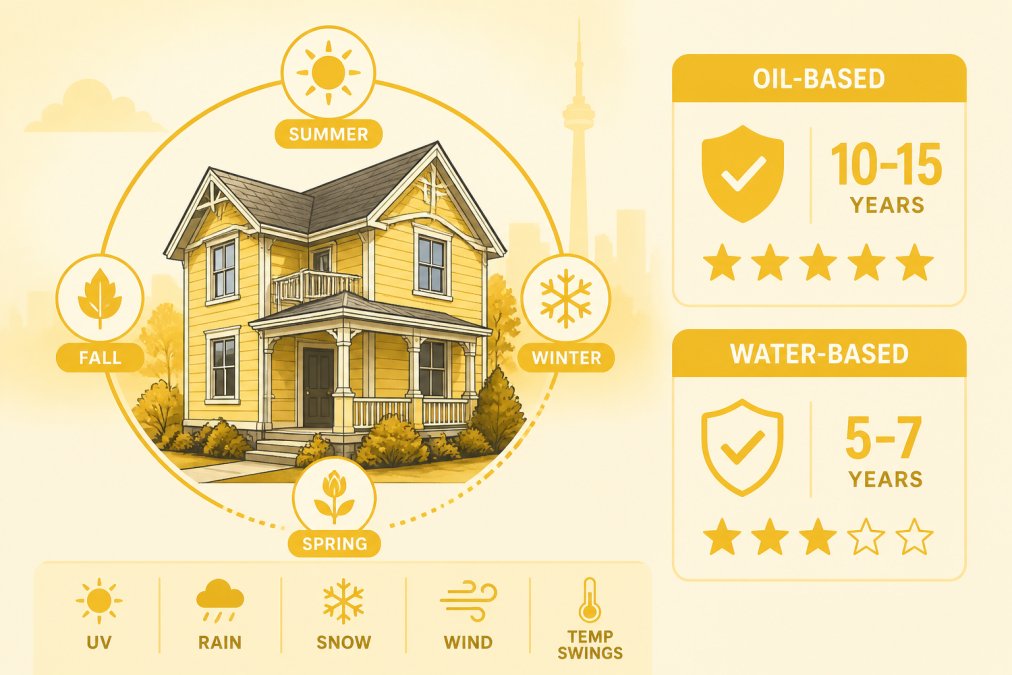
Water-based acrylic latex paints have improved dramatically. Standard 100% acrylic formulations offer excellent durability and UV resistance without yellowing. They dry quickly (4-8 hours between coats), making them practical for Toronto’s unpredictable weather. The limitation is that standard latex doesn’t penetrate wood as deeply and is more sensitive to moisture during application.
Water-based urethane-modified alkyds offer the best of both worlds for historic exteriors. These paints combine the adhesion and hard-film properties of traditional oil with water-based cleanup and low VOC emissions. They resist yellowing, cure to a furniture-like finish, and perform reliably through Toronto’s freeze-thaw cycles. For exterior trim and doors on heritage homes, they consistently outperform both traditional oil and standard latex.
Don’t apply water-based paint when temperatures are below 10°C or humidity exceeds 85%. Toronto’s spring and fall weather often sits in this problematic zone, leading to blistering, slow drying, and adhesion failure.
Choosing the Right Paint for Your Historic Property
The decision depends on three factors: the specific surface you’re painting, your climate tolerance, and your long-term maintenance commitment.
Choose oil-based paint if:
Get Your Free Estimate Today! →
- You’re painting over multiple layers of old oil-based paint and want maximum adhesion
- You’re willing to accept potential yellowing on light colors
- You have ventilation for solvent odors and can manage longer cure times
Choose water-based acrylic latex if:
- You want quick drying and easy cleanup with soap and water
- You’re painting new wood or previously painted surfaces in good condition
- Environmental impact and VOC emissions concern you
Choose water-based urethane-modified alkyd if:
- You own a historic home and want the best available option for exterior trim and doors
- You want oil-like durability without yellowing or solvent concerns
- You need color retention on white, cream, or other light heritage colors
For Toronto homeowners with historic properties, urethane-modified alkyds represent the modern standard. They address the specific weaknesses of both traditional oil and standard latex, delivering durability through Ontario’s challenging climate without the maintenance burden.
Farrow & Ball Exterior Eggshell deserves mention for heritage homes that prioritize authenticity. Its flexible, breathable formula respects how older wood naturally moves with seasonal changes. The low-luster finish complements historic aesthetics, and the curated heritage color palette aligns with period-appropriate choices.
For most historic exteriors in Toronto, a water-based urethane-modified alkyd delivers the best balance of durability, color retention, environmental responsibility, and performance through freeze-thaw cycles.
When you’re ready to move forward with your historic home’s exterior, professional application matters as much as paint selection. Surface preparation, primer choice, application technique, and weather conditions all influence how well your chosen paint performs. Soca Services Painting brings over a decade of experience with Toronto’s heritage properties, understanding the specific challenges historic homes face and the preparation standards required for lasting results. Contact Soca Services for a detailed assessment of your property’s needs and a comprehensive estimate tailored to your exterior’s unique requirements.
Protecting a historic home’s exterior requires choosing a complete system, paint type, primer, preparation, and professional application, that will preserve your property’s integrity. The right choice, applied properly, delivers years of reliable protection and maintains the character that makes heritage homes worth preserving. Get a free estimate from Soca Services Painting and discover how professional expertise transforms your historic exterior.
Frequently Asked Questions
Should exterior paint be oil-based or water-based for a historic home?
For historic exteriors, the choice depends on existing coatings and substrate condition. If your home has traditional oil-based paint, a water-based hybrid (urethane-modified alkyd) often works best because it offers oil-like durability without yellowing, while maintaining breathability. True oil-based paint provides superior adhesion on weathered surfaces but carries environmental concerns. Water-based acrylics are easier to apply and maintain but may not bond as well over old oil layers. Soca Services can assess your specific situation and recommend the best option for your property's needs.
How do I identify oil-based paint on my historic home?
Test with a cotton ball soaked in denatured alcohol or acetone. Rub it on the painted surface. If the paint dissolves or softens, it's oil-based; if it remains hard, it's water-based. You can also check the paint can if original documentation exists, or consult with a professional painter familiar with heritage homes. Identifying the existing coating type is critical before selecting a new paint system, as applying water-based paint directly over oil without proper primer can lead to adhesion failure and peeling.
What is the best exterior paint for an old house in the Toronto area?
The best choice balances durability, breathability, and Toronto's freeze-thaw cycles. Hybrid paints like Sherwin-Williams Emerald Urethane or Benjamin Moore Aura offer durability similar to oil-based paints with water-based cleanup and low VOC levels. For maximum breathability on older structures, Farrow & Ball Exterior Eggshell is designed to flex with wood movement. Standard acrylic latex (like Dulux Diamond) provides good all-around performance at a lower investment. Soca Services recommends a site assessment to choose the right product for your home's age, existing finish, and exposure.
Can you apply water-based paint over old oil-based paint?
Direct application typically fails because water-based paint doesn't adhere well to oil surfaces. You must use a bonding primer designed for this transition, or sand and clean the surface thoroughly to remove the glossy oil finish. Many professionals prefer hybrid water-based alkyds (urethane-modified) for this situation because they bridge the gap between old oil coatings and modern water-based systems. Proper surface preparation is essential to prevent peeling and delamination, especially on historic exteriors exposed to Toronto's weather.
How does Toronto's climate affect paint durability on historic exteriors?
Toronto's freeze-thaw cycles, high humidity, and UV exposure create demanding conditions for exterior coatings. Water expands when frozen, stressing paint films and causing blistering or peeling. High humidity accelerates mildew growth and moisture penetration. UV rays break down pigments and binders over time. Water-based acrylics and hybrid alkyds handle these cycles better than traditional oil-based paints because they allow substrate breathability, reducing moisture trapping. For historic homes, this means choosing paints with proven weather resistance and flexibility. Soca Services' experience with GTA properties ensures recommendations suited to local climate challenges.
This article was written using GrandRanker