


Figuring out the cost of house painting in Toronto can feel a bit like guesswork. As a starting point, you can expect a typical professional interior job to run anywhere from $2,000 to $6,000. If you're tackling the exterior, that number often climbs to between $3,000 and $8,000+.
Of course, these are just ballpark figures. The final price tag really hinges on the size of your home, its current condition, and exactly what you need done. This guide offers an objective structure to help you understand what the best painters in Toronto, Mississauga, and across the GTA factor into their quotes.
A Snapshot of Toronto House Painting Costs
Before we dig into the nitty-gritty details that can push your final quote up or down, it helps to have a general idea of what to budget for. Think of these numbers as a solid starting point for planning your project, whether you're in the heart of Toronto or in a surrounding GTA community like Mississauga.
Nothing beats a detailed, in-person estimate for pinpoint accuracy, but this overview will give you a good financial framework to begin with.
Understanding What You're Paying For
The total cost on your quote is much more than just the price of paint and brushes. It's a careful blend of labour, high-quality materials, and the all-important prep work that makes a job last.
In fact, labour is the biggest piece of the pie, usually making up 80-85% of the total estimate. This isn't just for slapping paint on walls; it covers the painstaking preparation, the skilled application, and the thorough cleanup that separates a professional finish from a DIY job.
Here’s a quick breakdown of what goes into that final number:
- Labour: The expertise and time of the professional painters.
- Materials: This includes premium paints and primers, but also things like caulking, tape, and other supplies.
- Preparation: The essential foundation of a great paint job, including cleaning, sanding, and repairing surfaces.
- Overhead: Every legitimate company has costs like insurance, equipment, and other business expenses that are factored in.
Remember, a professional paint job is a true investment in your property. A fresh coat of paint doesn't just look good; it can deliver a return on investment (ROI) of over 100% by seriously boosting curb appeal and making your home stand out to potential buyers.
To give you a clearer picture, the table below outlines some estimated costs for different home sizes across the GTA. For a more detailed breakdown of what quality professional painting services include, it’s always a good idea to chat with experienced local pros.
Average House Painting Costs in Toronto & GTA
This table shows estimated price ranges for professional painting services in the Greater Toronto Area, broken down by home size and project type.
| Home Size / Project Type | Average Interior Cost Range | Average Exterior Cost Range |
|---|---|---|
| 1,500 sq. ft. Bungalow | $3,000 – $5,500 | $3,500 – $6,000 |
| 2,500 sq. ft. 2-Storey | $5,000 – $8,000 | $5,500 – $9,000 |
| 3,500+ sq. ft. Large Home | $7,500 – $12,000+ | $8,000 – $15,000+ |
Keep in mind that these are average ranges. A home with intricate trim work or one that needs extensive repairs before painting will naturally fall on the higher end of these estimates.
What Really Drives Your Painting Quote
Have you ever gotten two painting quotes that were thousands of dollars apart and wondered why? It’s not random. A truly professional paint job is a lot like getting a custom-tailored suit—it’s built specifically for your home. The final number on that quote isn't pulled out of thin air; it’s a careful sum of several core factors unique to your property.
When you understand what those factors are, you can see precisely where your money is going. A one-size-fits-all price just doesn't fly in the world of professional painting, especially with the variety of homes across the GTA. Let's pull back the curtain on the three main pillars that every solid painting estimate is built on.
Home Size and Paintable Area
The most obvious driver of cost is, of course, the size of the space being painted. A bigger home means more paint, more supplies, and—most importantly—more hours of skilled labour. It's why painting a small bungalow in Mississauga will have a completely different starting price than a multi-storey Victorian in the heart of Toronto.
But here’s a key detail: professional painters don’t just look at your home’s floor plan. They calculate the paintable square footage, which is the total surface area of everything getting a new coat—walls, ceilings, trim, doors, and window frames. A room with soaring 12-foot ceilings has dramatically more paintable area than the exact same room with standard 8-foot ceilings, and that extra height requires more prep, more time, and specialized equipment like scaffolding, all of which will be reflected in the quote.
A professional paint job is a significant investment, but one that pays dividends. Studies show that a fresh, well-executed paint job can deliver an average return on investment (ROI) of around 107% when you eventually sell your home.
This infographic gives a great visual breakdown of the primary cost factors for both inside and outside jobs.
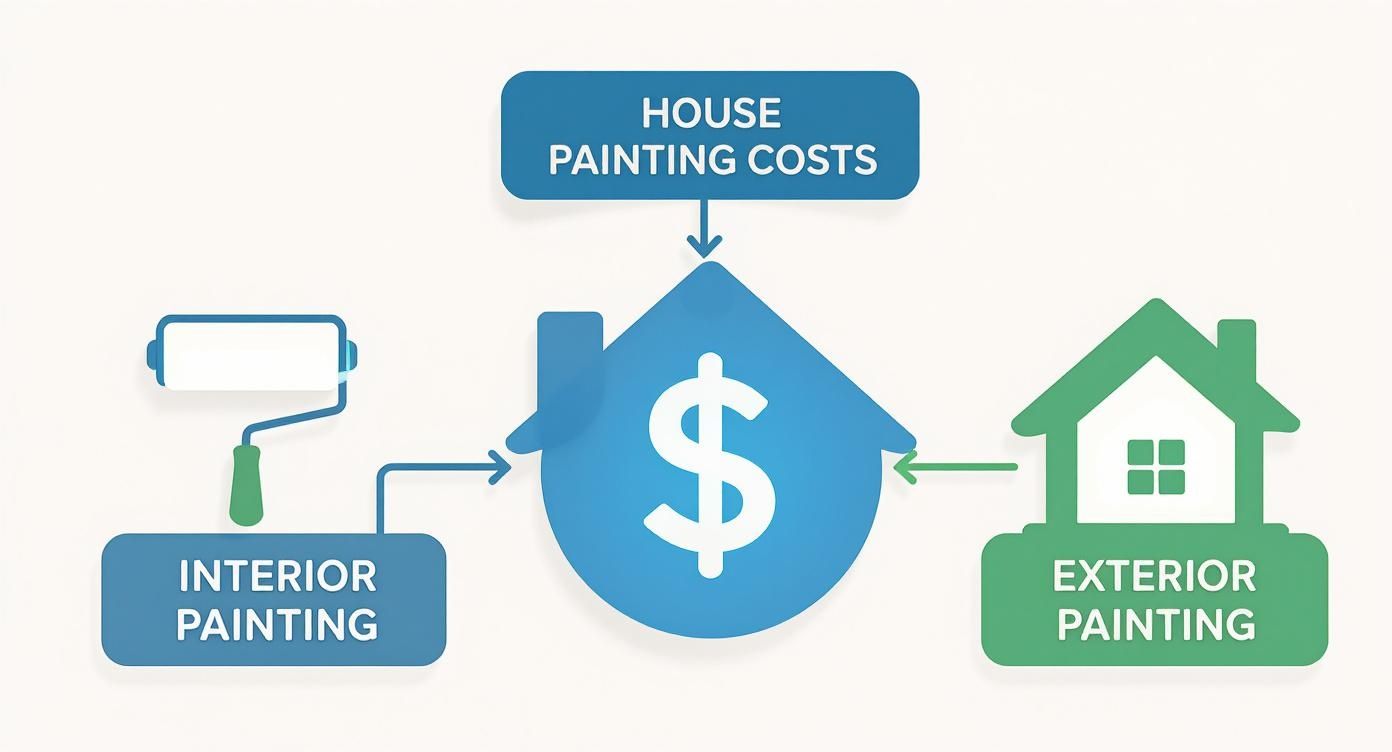
As you can see, both project types share a lot of the same core cost drivers. However, exterior projects come with their own unique challenges, like dealing with different siding materials and the wear-and-tear from Canadian weather.
Condition of Existing Surfaces
Next up is the current state of your walls and trim. This is a huge factor. A painter can't just slap a coat of Benjamin Moore over peeling paint, cracked drywall, or a dozen nail holes and call it a day—at least not if they want the finish to look good and actually last. The prep work is often the most time-consuming part of the entire project, and time is money.
Think of it in tiers:
- Minor Prep: Your walls are in great shape. They just need a quick wipe-down and a light scuff-sanding to ensure the new paint adheres properly.
- Moderate Prep: This is the most common scenario. We're talking about filling all the little nail holes, patching minor dings and cracks, and sanding those repairs smooth.
- Extensive Prep: This is where the real labour comes in. Older homes or walls that have seen a lot of life might need major drywall repairs, scraping off layers of old, failing paint, or deep cleaning to get rid of years of accumulated grime.
Simply put, the more work it takes to get your surfaces perfectly smooth and sound, the more labour will be built into your quote.
Paint Quality and Material Choice
Finally, the materials themselves play a big role, specifically the quality of paint you choose. It can be tempting to ask for a cheaper, big-box-store paint to shave a few hundred dollars off the top, but that’s almost always a mistake in the long run. Any seasoned painter in the GTA will steer you toward premium products, and for good reason.
High-quality paints provide far better coverage, which often means fewer coats are needed to get a rich, even colour. They're also engineered to be more durable, scrubbable, and resistant to fading, which means your investment looks brand new for years, not months. To get a better sense of how these material costs break down, it's worth understanding the painting cost per square foot in Canada. Your choice of primer, as well as the specific finish—like matte, eggshell, or satin—will also be factored into the final cost of materials.
What's Really Inside a Professional Painting Quote?
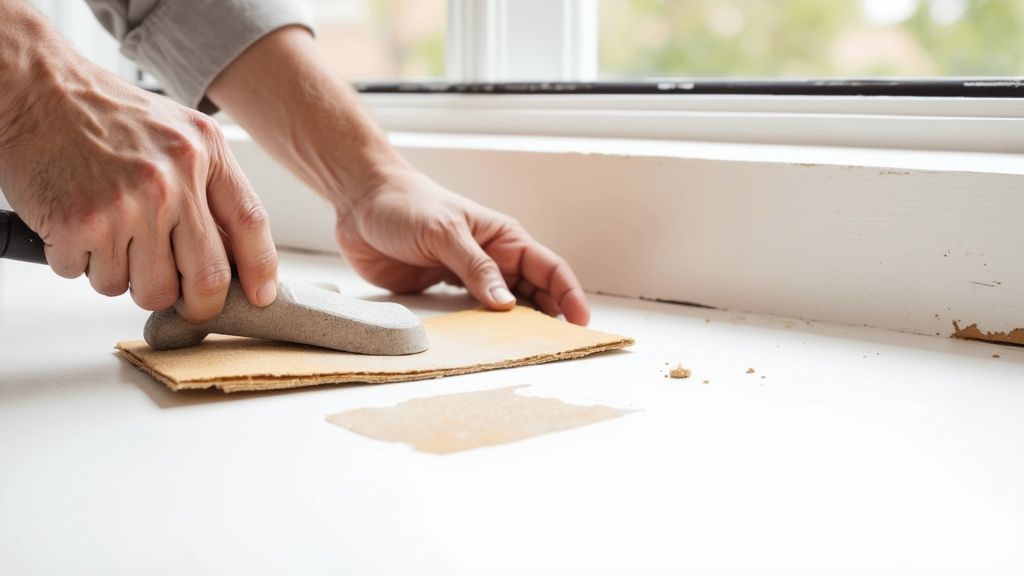
When you're comparing quotes for the cost of house painting, it's tempting to just scan for the bottom line. But the real difference between a paint job that looks great for a year and one that lasts for a decade is hidden in the details. These aren't sneaky add-ons; they are the essential, time-consuming steps the best painters in Toronto build into their process to deliver a truly professional finish.
Think of it like building a house. You wouldn’t dream of putting up the walls and roof on a shaky, crumbling foundation. In painting, the prep work is that foundation. It’s all the unglamorous but vital work that happens long before a roller even gets dipped in your chosen colour.
The Critical Role of Surface Preparation
A suspiciously cheap quote often means the painter is cutting corners on prep, but this is the single most important part of the entire project. Proper preparation is what ensures the new paint actually sticks, giving you that smooth, durable finish that protects your home. A detailed quote from a pro serving the GTA—from Mississauga to downtown Toronto—will always spell this work out.
So, what does real prep look like?
- Serious Cleaning: This isn't just a quick wipe with a cloth. For exteriors, it means power washing to blast away years of dirt, mildew, and chalky old paint. Inside, it’s about meticulously cleaning walls to get rid of grease and grime, especially in high-traffic areas like kitchens and bathrooms.
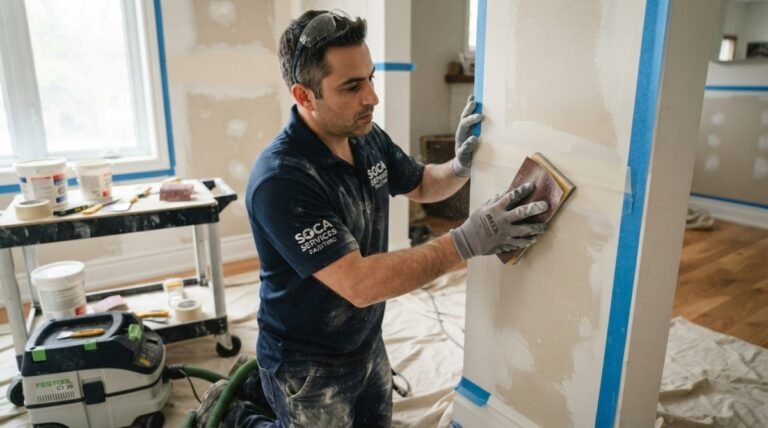
- Sanding and Scraping: A true professional will carefully sand down any glossy surfaces and scrape away every last bit of loose or peeling paint. This creates a uniform, slightly textured base for the new paint to grab onto, which is the secret to preventing future blisters and chips.
- Filling and Caulking: Every single nail hole, dent, and crack gets filled and sanded smooth. They'll also caulk the gaps along trim, window frames, and baseboards to create those sharp, seamless lines and help block drafts.
A professional paint job is an investment in protecting your home. Just painting over underlying issues is like putting a fancy bandage on a broken arm—it hides the problem for a little while but does nothing to fix it, guaranteeing a much bigger, more expensive repair down the road.
Uncovering Necessary Repairs
Sometimes, the prep work reveals deeper problems lurking beneath the surface. A painter might find drywall damage from an old water leak or discover wood rot on an exterior window frame. The best painters won't just paint over these issues. They’ll stop, flag the problem for you, and include the cost of a proper repair in their quote.
This can definitely add to the final cost of house painting, but walking away isn't an option if you want the job done right. If you ignore these repairs, the new paint will fail—fast—as the damaged material underneath continues to fall apart. Homes in older Toronto neighbourhoods can present unique challenges, too. For instance, any professional quote should factor in the time and safety protocols needed to navigate regulations like lead paint disclosure laws.
Dealing with Architectural Complexity
Finally, the character and unique features of your home have a huge impact on the price. All those beautiful architectural details require more time, a steady hand, and a higher level of skill, which naturally translates into higher labour costs.
Here are a few common examples:
- High and Vaulted Ceilings: These spaces require scaffolding or specialized tall ladders, which adds significant setup time and labour.
- Intricate Trim and Moulding: Crown moulding, wainscoting, and detailed window casings can't be done with a roller. They demand meticulous, time-consuming brushwork to get those crisp, clean lines.
- Multiple Colours: Every time you switch colours, the painter has to stop, clean all their gear, and carefully tape off new sections. This can add a surprising amount of time to the project.
Understanding these essential—but often overlooked—costs is the key to comparing quotes like a pro. A higher price tag often reflects a more thorough, professional approach that delivers a superior finish and far better long-term value for your home.
Interior Painting Costs: A Room-by-Room Breakdown
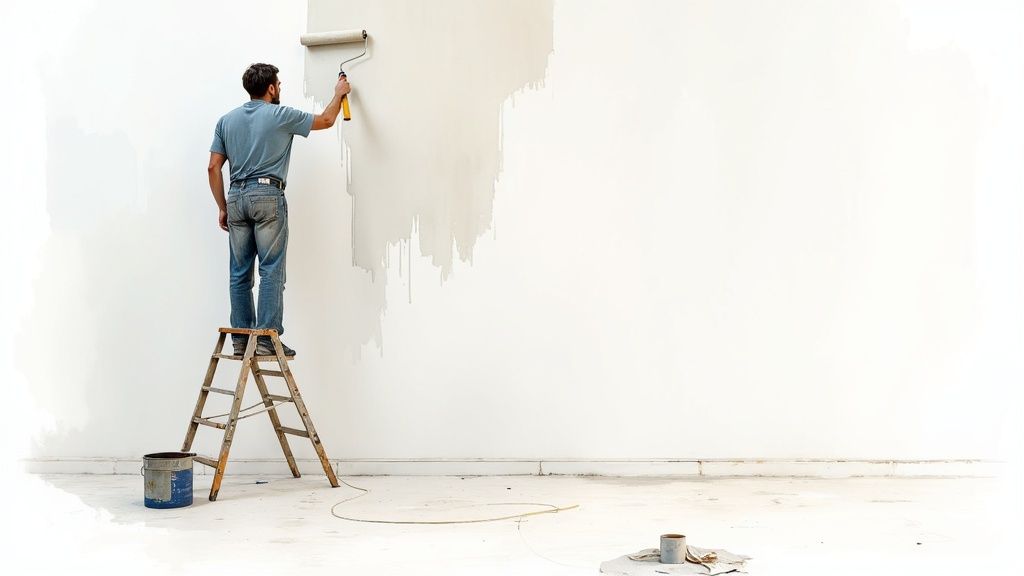
Now, let's step inside. When it comes to interior painting, a "one-size-fits-all" estimate just doesn't work. The cost of house painting for an interior project can shift dramatically from one room to the next, depending on its size, purpose, and all those little architectural details. Nailing down these differences is the secret to building a realistic budget for your project, whether you're in Toronto or Mississauga.
Think about it this way: a small, simple bedroom is usually the most straightforward and affordable room to paint. But take that same square footage and move it into a bathroom or kitchen, and the price will climb. Why? These high-moisture, high-traffic areas need specialized paints—think mildew-resistant and highly scrubbable finishes—which naturally come with a higher price tag.
Breaking Down Costs by Room Type
The best approach is to treat each room as its own mini-project, complete with its own unique challenges and requirements. The time, skill, and materials needed for a living room with soaring ceilings are in a completely different league than those for a standard 10×10 bedroom. Professional painters across the GTA always factor these specifics into every single quote.
Here’s a look at how different rooms usually stack up:
- Living and Dining Rooms: These are often the showpieces of a home, which means they can have higher ceilings and detailed features like crown moulding, wainscoting, or intricate window trim. All that detailed brushwork demands a steady hand and more time, which bumps up the labour costs.
- Kitchens: The real challenge in a kitchen isn't just the painting; it's the prep work. Painters have to meticulously clean every surface to get rid of any grease buildup, then carefully tape off all the cabinets, backsplashes, and appliances. That prep time adds up.
- Bathrooms: Much like kitchens, bathrooms need special moisture-resistant or mould-proof paint. Their smaller size might seem like a cost-saver, but that's often balanced out by the painstaking detail work required to cut in around vanities, mirrors, tubs, and toilets.
This isn't just a local trend, either. For instance, interior house painting costs in California also tend to be higher than the national average, with most professional jobs in 2025 falling between $2 and $6 per square foot. Those numbers move up or down based on the exact same factors we see here: room size, ceiling height, and the condition of the walls—all things that become especially important in older homes that need a lot more prep.
The bottom line is that a room's purpose directly impacts its painting cost. A painter isn't just covering square footage; they are applying a specific, protective finish designed to withstand the unique environment of that space.
Comparing a Single Room to a Full Interior
Here’s something that surprises many homeowners: painting a single room is almost always more expensive on a per-room basis than painting your entire house. It all comes down to the fixed "setup" costs. Things like travel time, protecting furniture, and daily cleanup are part of every job, but when you paint the whole house, those costs get spread out over many rooms, making each one more affordable.
For a deeper dive into the numbers, our guide on the cost to paint a room offers a complete financial breakdown. You can generally expect to pay a premium for a one-off job. The real value comes from bundling multiple rooms or a full interior repaint into a single project. This economy of scale is one of the best ways to get the most out of your investment.
Exterior Painting Costs: Protecting Your Home
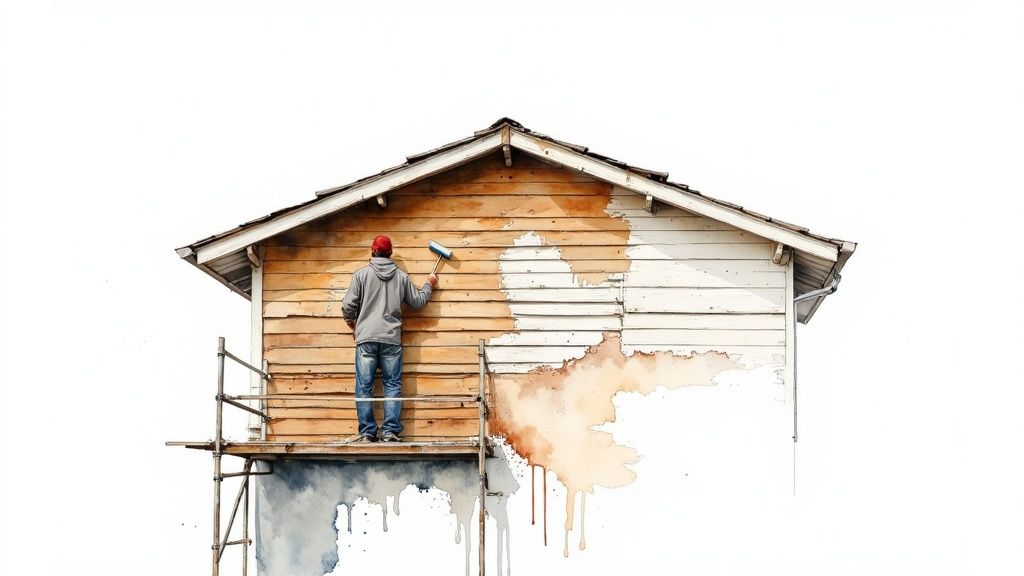
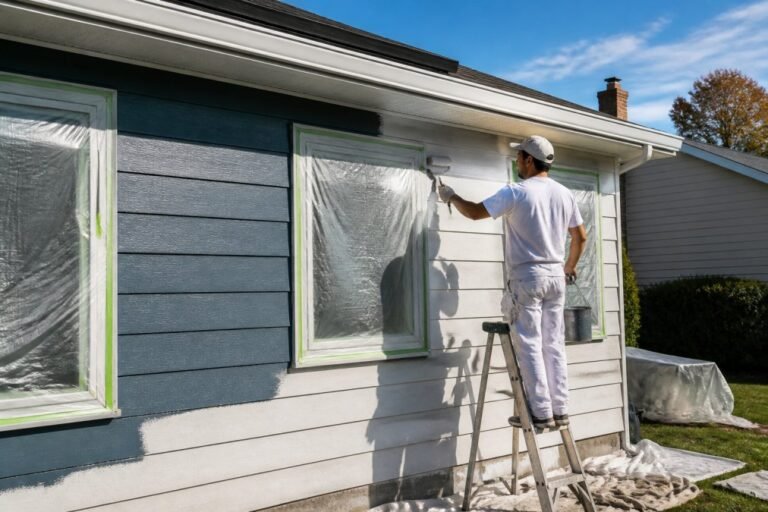
Painting your home’s exterior is much more than a simple cosmetic touch-up. Think of it as a crucial investment in your home's health and longevity. The cost of house painting for an exterior project in the GTA reflects this responsibility, because a professional job is your home's first line of defence against Southern Ontario's tough weather. From the sweltering summer sun to frigid winter storms, your home’s outer shell takes a relentless beating.
A quality exterior paint job is specifically designed to shield your home from moisture, stop rot before it starts, and uphold its structural integrity. This is precisely why a quote for an exterior project often comes in higher than an interior one of a similar size—the work is simply more complex and demanding.
How Siding Materials Shape Your Quote
The material on the outside of your home is the single biggest variable that dictates the painting process and, consequently, the price. Every surface demands a unique prep strategy and specialized products to ensure the paint bonds properly and stands the test of time. The best painters in Toronto and Mississauga have this down to a science and factor it into their work.
Here’s a breakdown of how common materials in the GTA affect the final cost:
- Wood Siding: A timeless classic, wood requires meticulous prep. Painters have to scrape away any flaking paint, sand the surface smooth, and prime every bare spot to lock out moisture and guarantee a durable finish. This labour-intensive process is a major cost driver.
- Brick: While painting brick can completely modernize a home's look, it’s a job for a specialist. The brick must be cleaned thoroughly to get rid of any efflorescence (those chalky white salt deposits). Using a breathable, masonry-specific paint is non-negotiable to avoid trapping moisture, which can cause devastating damage over time.
- Vinyl and Aluminum Siding: These modern materials need specific bonding primers and top-tier acrylic latex paints that can expand and contract with fluctuating temperatures. A deep clean is also essential to remove any chalky residue that can prevent the paint from sticking correctly.
- Stucco: Much like brick, stucco is porous and needs to be fully repaired and cleaned before any paint is applied. A pro will use elastomeric or acrylic paints that are flexible enough to bridge tiny cracks and create a waterproof seal.
The True Cost of a Durable Finish
Beyond the siding material itself, the prep work is where the magic happens. For exterior jobs, this often means extensive power washing, scraping, and caulking to seal every little gap and create a flawless canvas. As our guide explains, this is why proper prep is the secret to long-lasting exterior paint—these steps are what protect your investment.
To give you a bit of perspective on regional costs, consider this: in California, the cost to paint the exterior of a standard 2,000 sq ft house in 2025 typically lands between $2,500 and $8,000. Key factors like siding type, the amount of prep needed, and paint quality create this wide range—a trend we see right here in the GTA. For a deeper dive, you can explore exterior painting cost insights from SD Custom Painting.
Investing in a high-quality exterior paint job can deliver a serious return. A freshly painted exterior doesn't just boost curb appeal; it can increase your home's value by 2-5%, making it a smart financial move for any homeowner.
In the end, the final quote for your exterior project is a direct reflection of the materials, labour, and expertise needed to protect your home from the elements. Choosing the right materials and a skilled contractor ensures your property will be shielded for years to come.
How to Get the Best Painting Quotes in Toronto
Finding the right painter at a fair price feels like the final boss of any home renovation project. But it doesn't have to be a battle. The key is to approach it methodically, so you can sift through your options and find a genuine professional who fits your budget and your vision. This isn't just about collecting random numbers; it's about understanding what a quality quote looks like and choosing a contractor who delivers real, lasting value.
Whether you're searching for painters near me in downtown Toronto, Mississauga, or anywhere else in the GTA, the strategy is the same. A bit of prep work on your end makes all the difference, empowering you to compare companies apples-to-apples.
Preparing for Your Painting Estimate
Before you even start making calls, it’s best to have a crystal-clear idea of what you want. The more detailed your vision, the more accurate the quotes will be. When a painter walks through your door, they need this information to build an estimate you can actually rely on.
Here’s a quick checklist to have ready:
- A Clear Scope: Pinpoint exactly which rooms, walls, trim, ceilings, or exterior surfaces are on the to-do list.
- Colour Choices: Have your colour palette narrowed down. If you're using multiple colours, know which ones go where.
- Inspiration Photos: A picture is worth a thousand words. Collect images of finishes and styles you love to visually communicate your goal.
- A List of Concerns: Make a note of any problem areas you’ve spotted, like peeling paint, hairline cracks, or old water stains.
Having all this organized doesn’t just make the consultation smoother; it shows you're a serious homeowner. It also helps the painter give you a quote that’s tailored to your actual needs. For an even deeper dive, take a look at our complete guide on how to get accurate house painting quotes in Toronto.
Essential Questions for Every Contractor
Once a painter is in your home, it's interview time. Their answers will tell you a lot about their experience, professionalism, and whether they're the right fit for you. A reputable company will welcome your questions and provide clear, confident answers.
A detailed, transparent quote is the hallmark of a true professional. If a contractor is hesitant to break down their costs or provide proof of insurance, consider it a significant red flag.
Don’t even think about signing a contract until you’ve covered these bases.
Key Questions to Ask:
- Insurance and WSIB: "Can you provide a copy of your liability insurance and a current WSIB clearance certificate?" This is an absolute must-have. It protects you from any liability if an accident happens on your property.
- Project Timeline: "What is your estimated start date, and how long do you expect the project to take?"
- Materials Used: "What specific brands and types of paint and primer do you plan to use?" Quality materials make a huge difference in the final result.
- Written Warranty: "Do you offer a written warranty on your workmanship? What, exactly, does it cover and for how long?"
- Payment Structure: "What is your payment schedule? How much of a deposit do you require upfront?"
Getting these details on paper gives you a solid framework for comparing your quotes. It helps you look past the bottom-line price and see the true value, protection, and quality each GTA contractor is bringing to the table.
Your Top Questions About House Painting Costs, Answered
To wrap things up, let's tackle a few of the most common questions we hear from homeowners in Toronto and the GTA when they're planning their painting budget. Getting clear on these points will help you move forward with confidence.
How Much of the Total Cost is Just for the Paint?
It's a common assumption that the paint cans are the biggest ticket item, but that’s not quite right. In a professional quote, the high-quality paint and materials typically only make up about 15-20% of the final price.
The real investment, around 80-85% of the cost, is in the skilled labour. This covers all the critical prep work, the meticulous application, and the final cleanup that delivers that flawless, long-lasting finish. While it might be tempting to opt for cheaper paint to lower the cost, it's a move most pros would caution against. Premium paints provide far better coverage and durability, which means you get a better result that holds up for years. The quality of the finish is a huge factor in how long your paint will last, protecting your investment in the long run. You can learn more about the factors that influence how long a professional paint job lasts and protects your home.
Is There a Cheaper Time of Year to Paint My House?
Absolutely, timing can make a difference. For exterior painting, the peak season in the GTA is from late spring through early fall when the weather is ideal. Demand is high, so prices can be firmer and schedules are packed.
You might find more competitive pricing or better availability if you book during the shoulder seasons. When it comes to interior work, winter is often the slower period for painters. Many of the best painting companies offer off-season rates to keep their crews working, so it’s a great time to schedule those indoor projects.
Why is it So Important to Hire an Insured Painter?
This one is non-negotiable. Making sure your painter has full liability insurance and WSIB coverage is the most important thing you can do to protect yourself. It's your guarantee that you won’t be on the hook financially for any accidents, injuries, or property damage that might occur on your property.
Always ask to see a certificate of insurance and a WSIB clearance certificate before you sign anything. A painter from Toronto or Mississauga offering a rock-bottom price is often uninsured, and that "deal" comes with huge financial risks that just aren't worth the upfront savings.
For a professional painting experience built on quality, transparency, and results that last, trust the experts at Soca Services Painting. We provide detailed, fair estimates and exceptional workmanship for homeowners across the GTA. Get your free quote today.

One Comment