Most Toronto homeowners who attempt a DIY paint job end up calling professional house painters Toronto within a year anyway. The drips, uneven coverage, and peeling edges make that clear. According to the Painting and Decorating Contractors of America, improper surface preparation alone accounts for over 80% of paint failures. In a city with Toronto’s humidity swings and temperature extremes, that number only gets worse. This article breaks down exactly why hiring professional painting services in Toronto is not a luxury but a smart financial and practical decision for any homeowner or commercial property owner who wants results that last.
Table of Contents
- Quick Takeaways
- What Separates Professional Painters from DIY Attempts
- The Real Cost Breakdown: Professional vs. DIY Painting in Toronto
- Surface Preparation and Material Quality Make or Break the Job
- Toronto-Specific Challenges That Demand Professional Expertise
- Interior vs. Exterior: Why Each Requires a Different Skill Set
- Comparing Your Options: DIY, Budget Painters, and Professional Services
- Frequently Asked Questions
- References
Quick Takeaways
| Key Insight | Explanation |
|---|---|
| Surface prep determines longevity | Professional painters spend up to 60% of their time on prep work. Skipping this step is the single biggest reason DIY paint jobs fail within 12-24 months. |
| Toronto’s climate demands exterior expertise | Freeze-thaw cycles and high summer humidity require specific paint products and application windows. Professionals know which materials perform in these conditions. |
| Hidden DIY costs add up fast | Equipment rental, primer, painter’s tape, drop cloths, and wasted paint materials can push a DIY project to within 20-30% of a professional quote, without the quality guarantee. |
| Spray expertise changes the finish quality | Cabinet painting and popcorn ceiling removal, for example, require spray technique to achieve a factory-level finish. Brush-only approaches leave texture and lap marks. |
| Licensed painters carry liability insurance | If a DIY accident damages your flooring, windows, or landscaping, you absorb the full cost. Professional painting companies carry full liability coverage and WSIB protection. |
| Color consultation prevents costly rework | Professionals who understand lighting, undertones, and room proportions help you avoid the most common and expensive mistake: repainting a room you already paid to paint. |
| Resale value increases with professional finishes | A fresh, professionally applied interior and exterior paint job consistently ranks among the highest-ROI home improvements before a sale, often returning more than 100% of its cost. |
What Separates Professional Painters from DIY Attempts

The difference between a professional paint job and a competent DIY effort is not always visible on day one. It shows up at the six-month and two-year marks, when the DIY job starts fading, cracking, or peeling at trim edges and corners. Professional house painters in Toronto bring a process, not just a brush.
In practice, what separates the work is a combination of surface knowledge, product selection, and application discipline. A professional painter knows that bare drywall requires a PVA primer before any finish coat. They know that glossy surfaces need proper scuff-sanding before adhesion is reliable. These are not opinions. They are material science fundamentals that most homeowners skip because no instructional guide makes them sound as important as they actually are.
SOCA Services Painting, for example, has built its reputation in Toronto over more than 10 years by applying exactly this level of process discipline to every residential and commercial project. Their spray painting expertise in particular produces finishes on kitchen cabinets and trim that brush-and-roll application simply cannot replicate at a competitive price point.
Pro tip: Ask any painter you are considering to walk you through their surface preparation process before they quote you. If they cannot describe a clear, step-by-step prep protocol, that is a signal to look elsewhere.
The Real Cost Breakdown: Professional vs. DIY Painting in Toronto
A common mistake homeowners make is comparing a professional painting quote only against the cost of paint. That comparison is almost always misleading. The actual cost of a DIY project in Toronto includes primer, brushes, rollers, roller frames, extension poles, painter’s tape, drop cloths, sandpaper, patching compound, a ladder or scaffold rental, and often one or two wasted gallons of the wrong product.
When you add those costs together for a standard 1,200-square-foot Toronto semi-detached home interior, you are typically looking at $600 to $900 in materials alone, plus 40 to 60 hours of your own time. Professional residential painting in Toronto for the same scope typically runs between $2,500 and $4,500, depending on ceiling height, surface condition, and the number of colors. The gap is smaller than most people assume, and the professional option includes workmanship warranty coverage.
Where DIY Costs Surprise Homeowners
The surprise costs hit hardest in prep. If your walls have hairline cracks, nail holes, or water stain bleed-through, addressing those properly requires specific products and technique. A professional painter will skim-coat, sand, and prime affected areas before touching finish paint. A homeowner who skips or under-addresses those steps will see those defects telegraph through even two coats of quality paint.
Drywall repairs, which SOCA Services Painting includes as part of their broader scope, are a clear example of where professional services deliver value that a paint-only quote comparison misses entirely.
“According to Remodeling Magazine’s Cost vs. Value Report, interior painting consistently delivers among the highest returns on investment of any home improvement project, with average cost recoupment exceeding 100% in competitive urban real estate markets.”
Surface Preparation and Material Quality Make or Break the Job
No amount of expensive paint compensates for poor surface preparation. This is where professional painting services in Toronto deliver the most tangible value, and it is also the step most homeowners underestimate or skip entirely because it is unglamorous work.
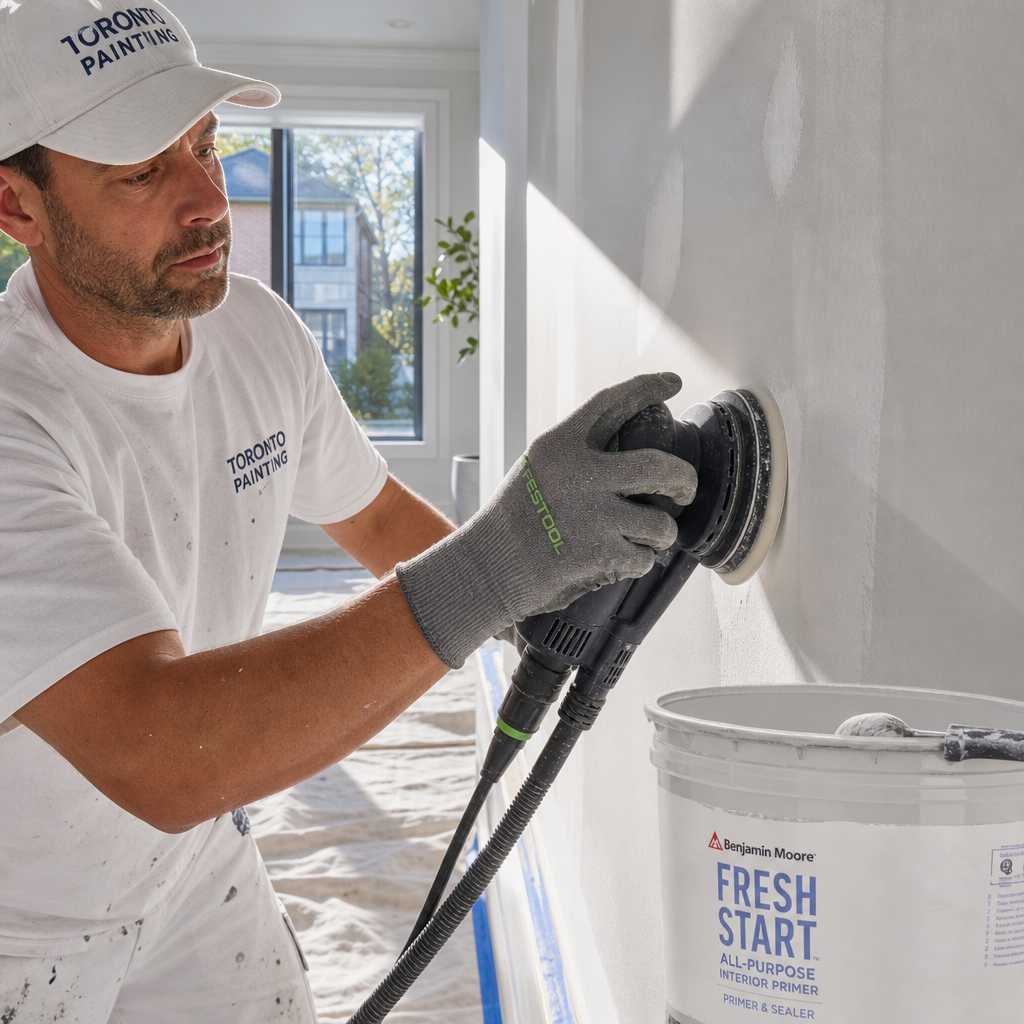
Proper surface prep for interior walls includes cleaning surfaces to remove grease and dust, filling all holes and cracks with appropriate compound, sanding to achieve a uniform texture, priming new drywall or repaired areas with the correct primer type, and allowing proper dry time between coats. Exterior prep adds power washing, scraping loose paint, spot-priming bare wood or metal, and caulking gaps around trim and windows.
Material Selection for Toronto’s Climate
Toronto’s climate puts real stress on exterior paint. Winters drop to minus 20 Celsius or below, and summers push above 30 degrees with significant humidity. Paint that performs well in a moderate climate can fail quickly on a Toronto exterior if it lacks flexibility and adhesion properties suited to thermal cycling.
Professional painters who work specifically in the Toronto market understand which product lines hold up on brick, stucco, wood siding, and composite materials in these conditions. They also know the application temperature windows, which matter more than most homeowners realize. Applying latex paint below 10 degrees Celsius, even on a warming trend, creates adhesion failures that show up months later.
Pro tip: For Toronto exteriors, ask your painter specifically about their product choices for freeze-thaw resistance and UV stability. A professional should be able to name the product line and explain why they chose it for your specific substrate.

Toronto-Specific Challenges That Demand Professional Expertise
Toronto homes present a specific set of challenges that professional painters navigate every day. Older homes in areas like Leslieville, The Annex, Roncesvalles, and East York often have layers of old oil-based paint on trim and doors, plaster walls with unpredictable texture variations, and lead paint concerns in homes built before 1978. These are not minor issues. Painting over old oil-based paint with latex without proper priming causes peeling within months.
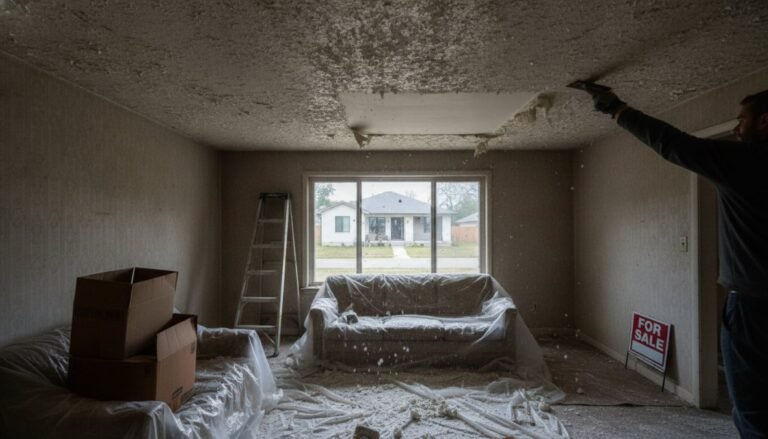
Popcorn ceiling removal is another service that requires professional attention in Toronto. Many older Toronto homes have popcorn ceilings applied before 1980, which may contain asbestos. Any disturbance of those ceilings without proper testing and, if necessary, abatement creates a serious health and legal liability. SOCA Services Painting’s popcorn ceiling removal process accounts for these material considerations before any work begins.
Condo and Multi-Unit Considerations
Toronto’s large condo market creates another layer of complexity. Building management requires painters to comply with specific move-in and move-out times, elevator booking procedures, and noise bylaws. Professional painters who work regularly in Toronto’s condo market understand these requirements and build them into their project scheduling. A first-time DIY painter in a condo faces immediate friction with building management that a seasoned professional navigates without friction.
Commercial property managers in Toronto face additional compliance requirements around occupied spaces, fume management, and signage. These are standard project management considerations for an experienced professional painting company, and they represent real risk for an unqualified contractor or DIY attempt.
Interior vs. Exterior: Why Each Requires a Different Skill Set
Interior and exterior painting are not the same discipline performed in different locations. They require different surface preparation approaches, different product chemistry, different application techniques, and different timing decisions. A painter who excels at interior work is not automatically qualified for exterior work, and vice versa.
Interior painting demands precision at cut-in lines along trim, ceilings, and baseboards. It requires knowledge of sheen levels and how different sheens interact with lighting conditions. A flat paint on a high-traffic hallway wall shows every scuff mark and is nearly impossible to clean. A semi-gloss on the same wall is practical but will highlight every surface imperfection unless prep is perfect. Professionals navigate these tradeoffs correctly on the first pass.
Exterior Painting Demands Seasonal Timing
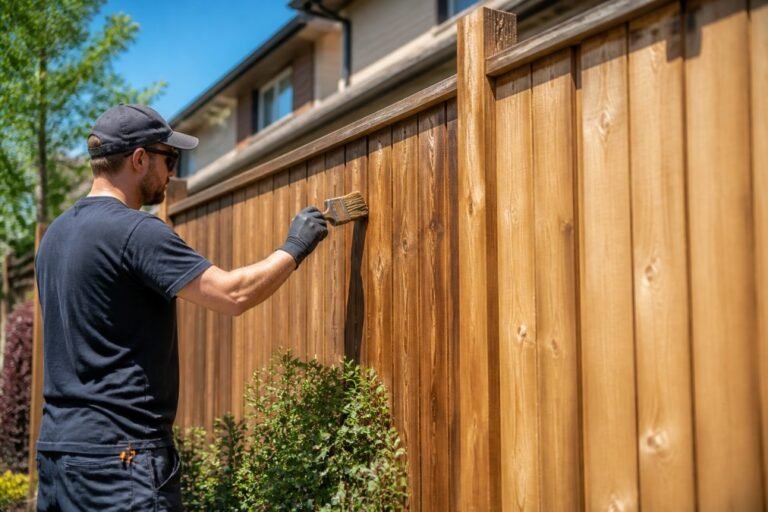
Exterior painting in Toronto has a practical window. The ideal application window is late May through early October, when temperatures stay consistently above 10 degrees Celsius and humidity is manageable. Even within that window, painting on a surface exposed to direct afternoon sun in July can cause flash-drying that undermines adhesion and leveling.
Deck staining, another SOCA Services Painting specialty, is particularly unforgiving. Stain applied to wet wood, or to wood that is too dry and porous without a proper conditioner, results in blotchy, uneven penetration that looks worse than the original weathered deck. Professional painters time these applications based on wood moisture readings, not just weather forecasts.
Comparing Your Options: DIY, Budget Painters, and Professional Services
Not all painting options in Toronto are equal, and the differences go beyond price. The table below compares three common approaches that Toronto homeowners and property owners choose from, based on observable outcomes rather than marketing claims.
| Criteria | DIY Painting | Budget or Unlicensed Painter | Professional Service (e.g., SOCA Services Painting) |
|---|---|---|---|
| Surface Preparation | Often skipped or minimal due to time and knowledge gaps | Variable, often rushed to keep costs low | Systematic and documented as part of project scope |
| Material Quality | Consumer-grade products from hardware stores | Budget commercial products, inconsistent selection | Trade-grade products matched to substrate and climate |
| Liability and Insurance | Homeowner absorbs all risk and damage | Typically uninsured or underinsured | Full liability insurance and WSIB coverage |
| Finish Quality | Visible lap marks, drips, and uneven cut-in lines common | Inconsistent, depends heavily on individual worker | Consistent, spray and brush expertise applied as needed |
| Project Timeline | Weeks of evenings and weekends for a typical interior | Fast but often at the cost of prep and dry time | Scheduled efficiently with clear milestones and completion dates |
| Workmanship Warranty | None | Rarely offered or honored | Standard with reputable professional painting companies |
The data consistently shows that homeowners who hire unlicensed or uninsured painters to save money frequently spend more within two years correcting failures than they would have paid a professional from the start. This pattern repeats across nearly every trade, and painting is no exception.
Frequently Asked Questions
How much do professional house painters in Toronto typically charge?
Professional residential painting in Toronto typically ranges from $2.50 to $5.00 per square foot for interior work, depending on surface condition, ceiling height, and complexity. A full interior repaint of a 1,500-square-foot home generally falls between $3,000 and $7,000. Exterior painting costs vary more widely based on siding type, storeys, and prep requirements, but most Toronto homes run between $3,500 and $9,000 for a full exterior repaint.
What should I look for when hiring a painting company in Toronto?
Look for a company that carries full liability insurance and WSIB coverage, provides a written scope of work and warranty, can clearly describe their surface preparation process, and has verifiable references or reviews from Toronto-area clients. Avoid any painter who quotes a price before seeing the space or who cannot explain what products they plan to use and why.
How long does a professional interior paint job last in a Toronto home?
A professionally applied interior paint job with proper surface prep and quality materials typically lasts 7 to 10 years in living areas and 5 to 7 years in high-traffic areas like hallways, kitchens, and bathrooms. DIY jobs under the same conditions commonly show wear, peeling, or fading within 2 to 4 years, primarily due to inadequate prep and consumer-grade materials.
Is it worth hiring professionals for just one room?
Yes, particularly for rooms where finish quality matters most, such as kitchens with cabinet painting, feature walls with complex textures, or any room where color accuracy and clean cut-in lines are priorities. Professional painters can often complete a single room efficiently, and many Toronto painting companies including SOCA Services Painting accommodate smaller scope projects as part of their residential service offering.
What is the best time of year to paint the exterior of a Toronto house?
Late May through mid-September is the most reliable window for exterior painting in Toronto. Temperatures need to be consistently above 10 degrees Celsius during application and for at least 24 hours after. Avoid painting in direct afternoon sun during July and August heat waves, as flash-drying creates adhesion and leveling problems. A professional painter will schedule exterior work around weather forecasts, not just calendar dates.
Do professional painters in Toronto handle drywall repairs before painting?
Reputable professional painting companies in Toronto include minor drywall repairs as part of their surface prep process. SOCA Services Painting specifically offers drywall repair as a standalone and bundled service, which ensures that wall surfaces are properly prepared before any paint is applied. For larger structural repairs, a dedicated drywall contractor may be needed first, but a professional painter should identify those scope boundaries clearly during the quote process.
If you have recently hired professional house painters in Toronto or gone the DIY route, share what you learned from the experience in the comments below.
We would love your feedback and any insights you would share with others. What perspective would you add?
References
- Statista: Market data and industry statistics on home improvement and painting services
- Forbes: Home improvement ROI analysis and real estate value studies
- Government of Canada: Occupational health and safety guidelines for painting contractors
- National Research Council Canada: Building science and exterior cladding performance in Canadian climates
- Redfin: Real estate data on the impact of fresh paint and curb appeal on home sale prices